
ISCC Draft Mandates Farm-Level Carbon Data for Natural Ingredients
ISCC Draft Mandates Farm-Level Carbon Data for Natural Ingredients
Introduction: The International Sustainability and Carbon Certification (ISCC) released a mandatory draft update on April 5, 2026, requiring certified products—including botanical extracts, natural active ingredients, and herbal supplement raw materials—to trace carbon footprint data back to farm-level origins. This change will significantly impact export-oriented enterprises, particularly in China's botanical extracts sector, by raising compliance costs and technical barriers while pushing upstream agricultural partnerships to evolve.
Event Overview
The ISCC's updated draft mandates verified carbon footprint documentation starting from farm-level cultivation, including land-use change (LUC) records and fertilizer application data. The policy, effective upon finalization, targets all certified natural ingredient supply chains. Current disclosures confirm the requirement applies to exports from 2026 onward, with transitional details pending.
Impacted Sub-Sectors
1. Botanical Extract Exporters
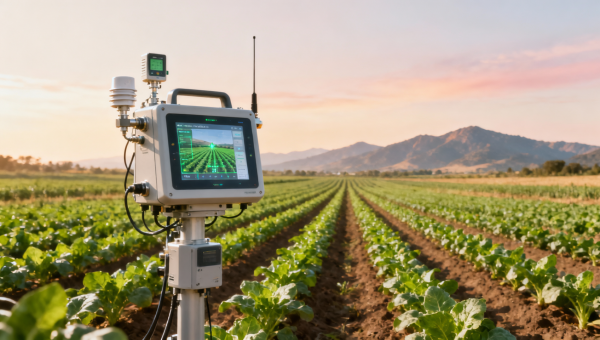
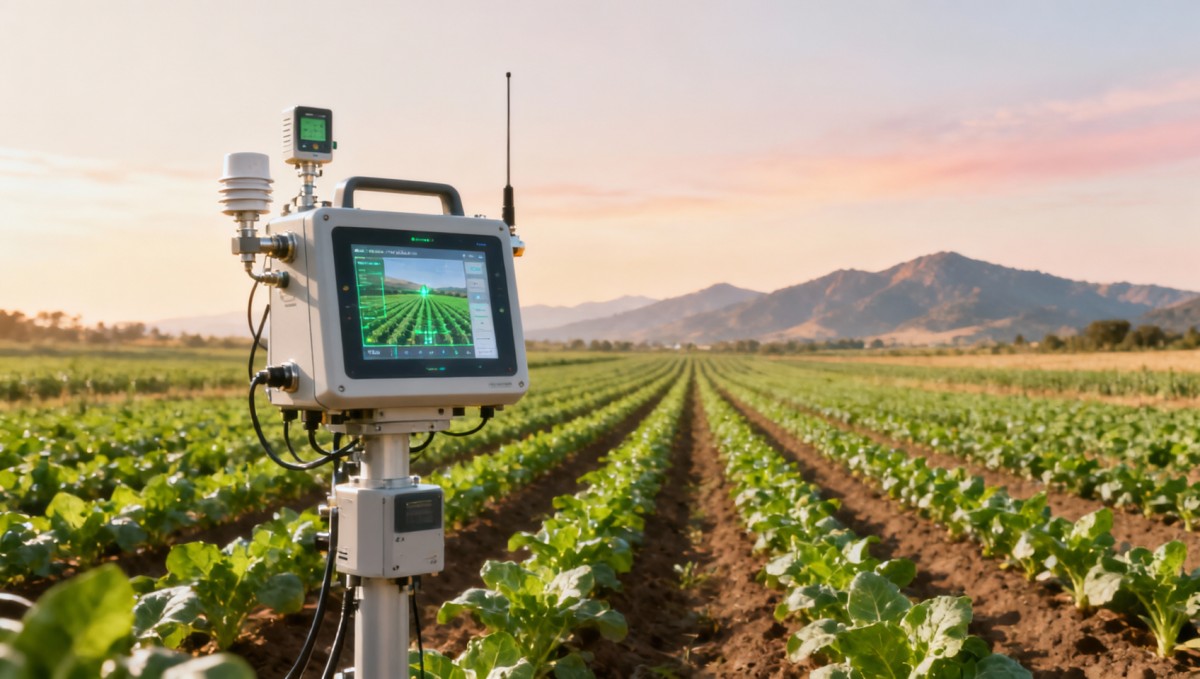
Directly affected by heightened traceability demands, exporters must now audit farm-level emissions across fragmented agricultural supply chains. Compliance may require blockchain or IoT-based tracking systems, increasing operational costs by 15–30% for SMEs, according to preliminary industry estimates.
2. Natural Ingredient Processors
Midstream manufacturers face raw material procurement challenges, as non-compliant farms risk exclusion from certified supply chains. Multi-tier supplier verification systems will become essential, potentially slowing production cycles.
3. Agricultural Cooperatives
Upstream growers must adopt digital record-keeping for LUC and fertilizer use—a hurdle for small-scale farms lacking technical infrastructure. This may accelerate consolidation toward large contract-farming networks.
Key Action Points for Businesses
1. Prioritize High-Risk Raw Materials
Focus on ingredients with historically opaque supply chains (e.g., wild-harvested botanicals). Conduct gap analyses on existing documentation systems before Q3 2026.
2. Engage in ISCC's Consultation Phase
Participate in the 90-day draft feedback window to clarify transitional provisions, especially for multi-origin blended ingredients.
3. Pilot Farm-Level Data Projects
Collaborate with tech providers to test scalable solutions like satellite-based LUC monitoring in key sourcing regions (e.g., Yunnan's herb farms).
Industry Perspective
Analysis suggests this move signals ISCC's alignment with EUDR-style granular traceability. While initially disruptive, it may eventually differentiate compliant Asian suppliers in premium markets. Notably, the draft leaves open whether smallholders can group-report data—a critical detail for emerging economies.
Conclusion
The ISCC update represents a structural shift toward farm-to-export sustainability accountability. Businesses should treat it as both a compliance challenge and an opportunity to future-proof sourcing networks against tightening global standards.
Sources
- ISCC Official Draft Release (2026-04-05)
- Pending: Final implementation guidelines (Expected Q4 2026)
Related Intelligence
- Botanical ExtractsISCC New Draft Mandates Farm-Level Carbon Data Traceability for Natural ChemicalsISCC's new draft mandates farm-level carbon data traceability for natural chemicals, impacting EU-bound exports. Learn how this affects your supply chain and stay compliant with evolving sustainability standards.
- Botanical ExtractsISCC Draft Mandates Farm-Level Carbon Data for Natural IngredientsISCC draft mandates farm-level carbon data for natural ingredients, impacting botanical extract exporters & supply chains. Learn key compliance strategies for 2026 updates.
- Botanical ExtractsGinkgo biloba extract powder — why 24% flavone glycosides alone don’t guarantee efficacyGinkgo biloba extract powder, blueberry extract bulk & more — discover why 24% flavone glycosides isn’t enough for real efficacy. Expert insights inside.
The Morning Broadsheet
Daily chemical briefings, market shifts, and peer-reviewed summaries delivered to your terminal.
