
EU REACH Adds 5 New SVHCs, Including Pharma & Agrochem Intermediates
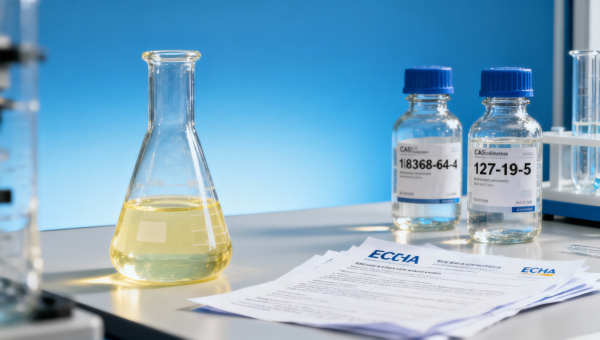
The European Chemicals Agency (ECHA) updated its Substances of Very High Concern (SVHC) Candidate List on April 8, 2026, adding five new chemicals. Two notable additions are 2-chloro-5-methylpyridine (a key neonicotinoid pesticide intermediate) and N,N-dimethylacetamide (DMAC, a common solvent in API synthesis). Starting October 2026, imported chemicals containing any new SVHC above 0.1% concentration will trigger notification obligations, potentially intensifying supply chain audits. Pharmaceutical, agrochemical, and specialty chemical industries should monitor these developments closely.
Event Overview
On April 8, 2026, ECHA expanded the REACH SVHC Candidate List with five substances:
- 2-chloro-5-methylpyridine (CAS 18368-64-4)
- N,N-dimethylacetamide (DMAC, CAS 127-19-5)
- Three other undisclosed chemicals
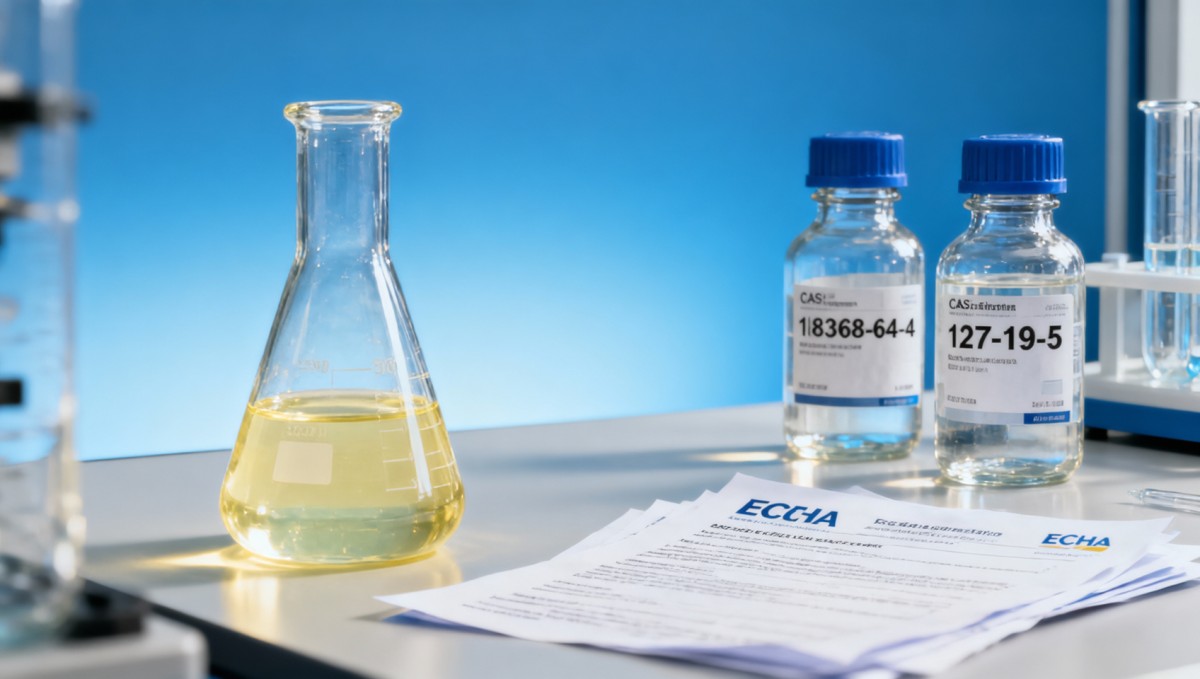
The new regulations take effect October 2026, requiring importers to notify ECHA if their products contain these SVHCs above 0.1% concentration. This update follows the standard REACH authorization process for substances with carcinogenic, mutagenic, or reproductive toxicity (CMR) properties.
Impact on Key Industries
Agrochemical Manufacturers
2-chloro-5-methylpyridine serves as a critical intermediate for neonicotinoid insecticides. Producers using this compound may face:
- Additional regulatory documentation requirements
- Potential reformulation pressures
- Downstream customer requests for SVHC-free alternatives
Pharmaceutical Companies
DMAC's inclusion affects API manufacturers employing this polar aprotic solvent in:
- Peptide synthesis
- Polymer production
- Electrolyte formulations
Analysis shows solvent substitution may require process revalidation, impacting production timelines.
Key Action Points for Businesses
Conduct Immediate Substance Mapping
Identify all products containing:
- 2-chloro-5-methylpyridine in crop protection formulations
- DMAC in pharmaceutical manufacturing processes
Prepare Notification Documentation
Develop standardized responses for:
- SVHC content declarations
- Safe use instructions
- Alternative substance proposals
Engage Supply Chain Partners
Initiate conversations with:
- Raw material suppliers about SVHC-free alternatives
- Logistics providers regarding potential classification changes
- Customers about transitional timelines
Industry Perspective
From an industry viewpoint, this update signals:
- Continued regulatory scrutiny on industrial solvents
- Growing focus on pesticide intermediates' environmental persistence
- Potential precursor to broader neonicotinoid restrictions
Current data suggests the immediate operational impact will be moderate, but the strategic implications for formulation chemistry are significant.
Conclusion
While the October 2026 compliance deadline allows time for adjustment, affected industries should treat this as an early warning for:
- Upcoming regulatory trends in solvent regulation
- Shifting customer preferences toward SVHC-free products
- Potential domino effects in other jurisdictions
Proactive substance evaluation and supply chain communication remain the most effective preparatory measures.
Source Information
Primary source: ECHA SVHC Candidate List update (April 8, 2026)
Pending clarification: Exact concentration thresholds for mixtures containing multiple SVHCs
Related Intelligence
- AgrochemicalsEU REACH Adds 5 New SVHCs, Including Pharma & Agrochem IntermediatesEU REACH adds 5 new SVHCs including key agrochemical & pharma intermediates. Learn how 2-chloro-5-methylpyridine and DMAC regulations impact your supply chain before Oct 2026 compliance deadline.
- AgrochemicalsU.S. Soybean Exports to China Plunge 48.5%, China Shifts to Brazil/ArgentinaU.S. soybean exports to China plummet 48.5% as China shifts to Brazil/Argentina sources. Discover how this trade realignment impacts global markets and key industries. Learn strategic adaptation tips for businesses.
- AgrochemicalsAustralia Canola Output to Drop as Farmers Shift to Barley Amid Rising CostsAustralia's canola output faces decline as rising costs push farmers toward barley, threatening global supply chains. Learn how this shift impacts oilseed crushers, vegetable oil exporters, and biofuel policies through 2026.
The Morning Broadsheet
Daily chemical briefings, market shifts, and peer-reviewed summaries delivered to your terminal.
