

The Authority in Global Agricultural Chemistry & Bio-Resources
How to Choose a Mini Rice Harvester Machine for Small Farms: Key Specs That Matter
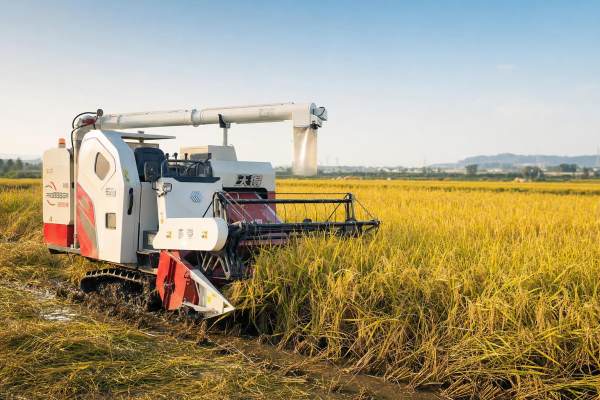
How to Choose a Mini Rice Harvester Machine for Small Farms: Key Specs That Matter
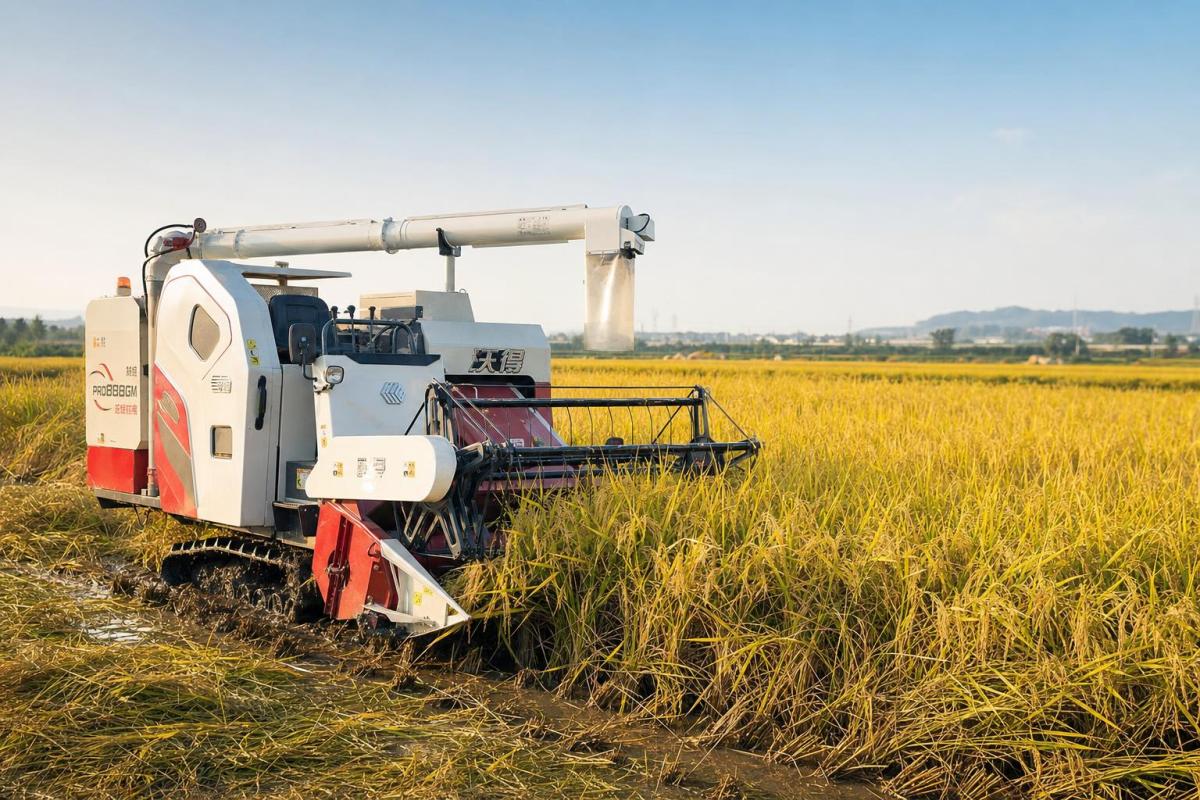
Choosing the right mini rice harvester machine can change harvest speed, grain quality, and daily comfort in a very real way.
For small farms, the wrong machine often creates losses that do not show up on the price tag alone.
It may leave grain in the field, struggle in wet paddies, burn extra fuel, or demand constant repair.
That is why selecting a mini rice harvester machine should start with field conditions, crop type, and workload.
Price still matters, of course, but practical specifications matter more over several harvest seasons.
A compact rice harvester that fits your land can improve cutting efficiency and reduce operator fatigue.
It can also protect grain quality, especially when harvest windows are short and weather turns quickly.
The guide below focuses on the specifications that actually influence performance in small-scale rice harvesting.
Start with Field Reality, Not Brochure Claims
Before comparing models, map the real conditions where the mini rice harvester machine will work.
This step sounds basic, but it prevents the most expensive buying mistakes.
Look at plot size, row spacing, bund width, turning space, soil softness, water depth, and slope.
A machine that performs well on dry, flat fields may fail badly in soft or uneven paddies.
More importantly, harvesting conditions often vary within one farm, not only between regions.
In practical use, these questions help narrow the options fast:
- Are plots narrow and broken into small sections?
- Does the field stay muddy during harvest?
- Is lodging common after wind or late rain?
- Will the machine also be moved often between fields?
- Is local service available for the chosen brand?
Once these answers are clear, the right mini rice harvester machine becomes easier to identify.
Cutting Width and Feeding Capacity
Cutting width is usually the first performance number buyers notice, and for good reason.
A wider header covers more ground per pass, which can raise field productivity.
Still, bigger is not always better for a mini rice harvester machine on small farms.
If plots are tight, a wide header can make turning difficult and increase missed corners.
Feeding capacity matters just as much as cutting width.
A compact rice harvester may cut well, yet clog when handling dense or damp crop material.
That creates stop-and-go harvesting, which lowers real productivity and increases grain loss.
As a working rule, match header width to field access and crop density, not to marketing numbers.
- Small, irregular plots usually benefit from easier maneuverability.
- Uniform, open fields can justify a wider cutting width.
- Heavy straw requires stronger feeding and discharge performance.
Engine Power, Fuel Use, and Transmission
Engine power affects more than travel speed.
It influences cutting consistency, threshing stability, and the ability to work through wet, thick rice.
An underpowered mini rice harvester machine often slows down under load and wastes fuel while struggling.
An oversized engine, however, may cost more without delivering useful gains on very small plots.
The better question is whether power delivery stays stable during real harvesting pressure.
Transmission design also matters.
Smooth gear changes or reliable hydrostatic control can make operation easier in narrow or muddy fields.
From an operating cost view, fuel efficiency should be checked over a full day, not per short demo.
Ask for consumption data under loaded conditions, especially with wet straw and partial lodging.
Track System, Ground Clearance, and Terrain Adaptability
For many buyers, this is where a mini rice harvester machine either proves itself or fails quickly.
Soft paddy soil demands traction, balance, and low ground pressure.
Tracked machines often handle muddy fields better than wheeled alternatives.
They usually reduce sinking risk and improve movement across uneven surfaces.
Track width, tread pattern, and undercarriage durability all deserve close attention.
Ground clearance is another overlooked detail.
Too little clearance can cause residue buildup and reduce smooth movement in wet fields.
If fields include bund crossings or mild slopes, machine balance becomes even more important.
A compact rice harvester should stay stable while turning, unloading, and climbing short field edges.
Threshing Quality and Grain Loss Control
Harvest capacity means little if grain loss is high.
That is why threshing quality should be part of every mini rice harvester machine comparison.
Check how the machine handles separation, cleaning, and discharge under mixed crop conditions.
Poor threshing setup can increase broken grain, unthreshed heads, and material carryover.
Those losses reduce income even when field speed looks impressive.
In actual machine selection, ask about:
- Average grain loss rate in normal field use
- Broken grain percentage after threshing
- Adjustment range for different rice varieties
- Cleaning performance in damp harvest conditions
If possible, inspect harvested grain directly rather than relying only on catalog claims.
Machine Size, Turning Radius, and Transport Convenience
A mini rice harvester machine should fit the field and the road leading to the field.
This sounds obvious, yet transport limitations often appear only after purchase.
Measure gate width, trailer space, bridge limits, and storage access before choosing a model.
Turning radius matters just as much inside the field.
A machine that needs wide headland turns can waste time and flatten standing crop near field edges.
Compact dimensions usually improve control, especially in fragmented landholdings.
Still, do not sacrifice core performance simply for the smallest possible frame.
Operator Comfort, Controls, and Daily Maintenance
Long harvest days make comfort a productivity issue, not a luxury feature.
A mini rice harvester machine with awkward controls can slow work and raise operator error.
Look for clear control layout, easy lever reach, stable seating, and good forward visibility.
Noise and vibration levels also influence fatigue over several hours.
Maintenance access is equally important.
If daily cleaning points are hard to reach, upkeep gets skipped during busy periods.
That often leads to breakdowns exactly when weather pressure is highest.
Check belt access, filter replacement, chain adjustment, grease points, and clog removal procedures.
Parts Support, Service Access, and Real Ownership Cost
The purchase price of a mini rice harvester machine is only one part of the decision.
Over time, spare parts cost, service response, and downtime usually matter more.
A cheaper machine can become expensive if common wear parts are difficult to source.
This is especially true during peak harvest, when every lost day affects crop quality.
Ask local dealers about stocking levels for tracks, belts, knives, bearings, and filters.
Also ask how quickly field technicians can respond during the season.
A solid warranty helps, but accessible service support matters even more in day-to-day use.
Quick Comparison Checklist for Better Decisions
When comparing more than one mini rice harvester machine, use a simple scoring approach.
That keeps attention on field performance instead of sales presentation.
Choose for Conditions, Not for Labels
The best mini rice harvester machine is not always the newest, biggest, or cheapest model.
It is the one that matches field layout, crop condition, harvest timing, and maintenance reality.
That is where real value appears.
If possible, compare machines in working conditions close to your own farm.
Watch turning behavior, grain cleanliness, operator visibility, and recovery from heavy crop sections.
Take notes on downtime risks, not just harvest speed.
A careful comparison now can lead to better output, lower stress, and more reliable harvest seasons ahead.
Related Intelligence
- Heavy Agri MachineryEvaluating Farm Equipment Distributors: Parts Availability and Service CoverageCompare farm equipment distributors on critical parts availability, service coverage, and repair response. Learn what to verify before buying to reduce costly downtime.
- Heavy Agri MachineryHow Does Market Forecasting Help Plan Farm Machinery Procurement?How does market forecasting help agri procurement planning? Discover how to time machinery purchases, protect cash flow, and reduce delivery risks before critical farm deadlines.
- Heavy Agri MachineryIs It Safe to Source Farm Machinery from Emerging Markets?Is it safe to source agri machinery from emerging markets? Discover how to verify suppliers, check compliance, and secure parts support to protect your farm and avoid costly buying mistakes.
The Morning Broadsheet
Daily chemical briefings, market shifts, and peer-reviewed summaries delivered to your terminal.
