

The Authority in Global Agricultural Chemistry & Bio-Resources
Australis Secures Vietnam Leases for 30,000-Tonne Barramundi Hub, Opens Processing Plant
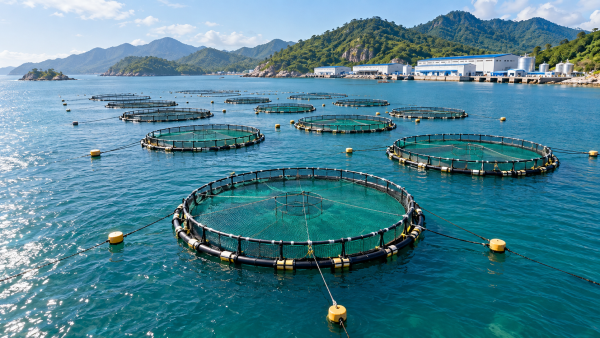
The event date was not specified in the supplied information. Australis Aquaculture has announced 16 marine leases in southern Vietnam for a barramundi farming hub with annual production capacity of 30,000 tonnes, alongside the opening of its Blue Loop processing facility. From an industry perspective, the development warrants attention as a project-level authorization and supply-chain expansion signal that could affect seafood procurement, processing and delivery planning. The supplied information does not establish a change in national aquaculture policy, certification standards or trade rules.
Marine Leases and Processing Capacity Anchor the Expansion
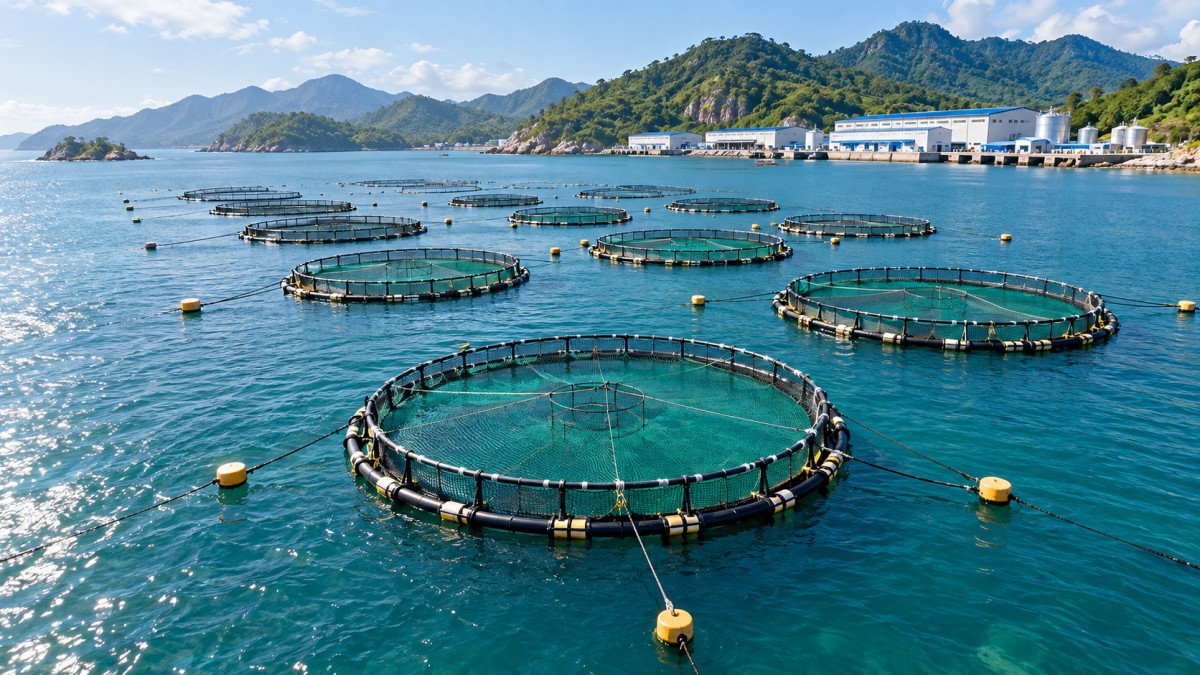
Australis Aquaculture announced that it had obtained 16 marine leases in southern Vietnam to develop a marine barramundi farming hub with annual production capacity of 30,000 tonnes. The company also formally opened its Blue Loop processing facility.
The initiative aims to expand its marine fish supply and strengthen its operations across farming and processing, addressing global demand for sustainable seafood.
Lease Access Could Shape Procurement and Processing Decisions
Buyers need to distinguish capacity from available supply
Analysis suggests that the leased farming areas and processing facility could give seafood buyers a basis for reviewing future sourcing options. However, the stated annual capacity does not establish current output, available order volumes or shipment schedules. Buyers considering procurement changes should seek confirmation of production availability, product specifications and delivery commitments before adjusting purchasing plans.
Processing links may support closer production coordination
From an industry perspective, connecting marine farming with processing could support coordination between harvest planning and finished-product orders. Processors and supply-chain service providers may therefore need to assess how future volumes would fit their handling, scheduling and delivery arrangements. The supplied information does not specify the processing facility's capacity, product formats or operating throughput, so these remain matters for commercial verification.
Sustainability positioning calls for supporting evidence
Analysis suggests that the stated aim of meeting demand for sustainable seafood may attract attention from buyers with sustainability criteria. The announcement, however, does not identify any certification, audit outcome or verified environmental performance. Buyers and certification service providers should assess any supporting documentation against the particular sourcing criteria involved, rather than treating the marine leases or facility opening as evidence of certification.
Practical Checks Before Revising Supply Commitments
Clarify what the marine leases authorize
As a due-diligence recommendation, prospective partners should seek documentation clarifying the scope, duration and operating conditions of the 16 leases, insofar as these matters affect a proposed transaction. Those details were not supplied. Obtaining them would help buyers assess the authorization basis for the proposed farming operations without assuming that the leases establish every approval relevant to production, processing or export.
Verify the connection between farming and processing
For procurement planning, companies should consider requesting evidence linking farmed supply to the Blue Loop facility, including relevant batch records and product documentation where applicable. This is a recommendation for evaluating traceability, not a statement that new documentation requirements have been introduced. The supplied information does not describe the company's traceability arrangements.
Match orders to confirmed operating readiness
Analysis suggests that buyers should evaluate proposed volumes and delivery dates against confirmed production and processing availability. The opening of Blue Loop establishes a facility milestone, while the farming hub's stated capacity describes its intended annual scale. Neither detail alone confirms when particular order quantities can be delivered. Procurement teams could seek phased supply commitments and clarify how changes in availability would be handled.
Check requirements for each intended transaction
As a practical recommendation, exporters and buyers should verify the product, certification and documentation requirements relevant to their intended transactions. No destination markets, export approvals or changes to trade treatment were identified in the supplied information. The expansion therefore provides no basis for assuming additional market access or a relaxation of existing purchasing requirements.
A Project Authorization Signal, With Wider Rules Still Unconfirmed
Editorial analysis: the strongest regulatory implication supported by the announcement is that Australis has obtained marine leases for this project. It is more appropriate to understand the development as a company-specific authorization milestone accompanied by processing investment than as evidence of an industry-wide rule change.
The lease terms, any associated operating conditions and subsequent implementation information could influence how commercial partners assess the expansion. Further evidence would also be needed to determine whether the project reflects a broader approach to marine aquaculture authorization. The supplied material does not support that wider conclusion.
Commercial Significance Depends on Verified Execution
From an industry perspective, the combination of marine leases and an opened processing facility could strengthen Australis's ability to coordinate barramundi supply across farming and processing. Its practical significance for other businesses will depend on verified operating capacity, supply availability and transaction-specific compliance evidence.
At this stage, companies can reasonably treat the announcement as a development to include in supplier assessments and procurement discussions. Changes to purchasing commitments should follow confirmation of deliverable volumes and relevant documentation; broader conclusions about policy reform or trade access remain unsupported by the supplied facts.
Evidence Behind This Report and Details to Monitor
This article is based solely on the user-provided news title, event timing information and event summary. The event date was not specified, and no specific official source links were included in the input. The underlying announcement and authorization details remain subject to further verification.
Relevant materials for subsequent checking could include the company's official announcements, marine lease documents and applicable regulatory publications. Continued observation should focus on lease implementation, any disclosed operating conditions, production availability, processing performance, certification evidence and commercial feedback. These are areas for follow-up, not confirmed developments reported in the supplied information.
Related Intelligence
- Commercial FishingAustralis Secures Vietnam Leases for 30,000-Tonne Barramundi Hub, Opens Processing PlantAustralis secures 16 Vietnam marine leases for a 30,000-tonne barramundi hub and opens its Blue Loop processing plant. Explore the potential impact on seafood sourcing.
- Commercial FishingWhat Certifications Do Fishery Supplies Need for Export?What certifications should fishery supplies carry for export? Explore requirements for equipment, feed, and chemicals to avoid costly delays and ship with confidence.
- Commercial FishingWhat Should You Check in a Fishery Equipment Maintenance Contract?What should I look for in a fishery equipment maintenance contract? Explore coverage, response times, costs, records, safety, and biosecurity essentials.
The Morning Broadsheet
Daily chemical briefings, market shifts, and peer-reviewed summaries delivered to your terminal.
