

The Authority in Global Agricultural Chemistry & Bio-Resources
Fishery Tech Investments Keep Falling Short—Here’s Where the Data Flow Breaks Down
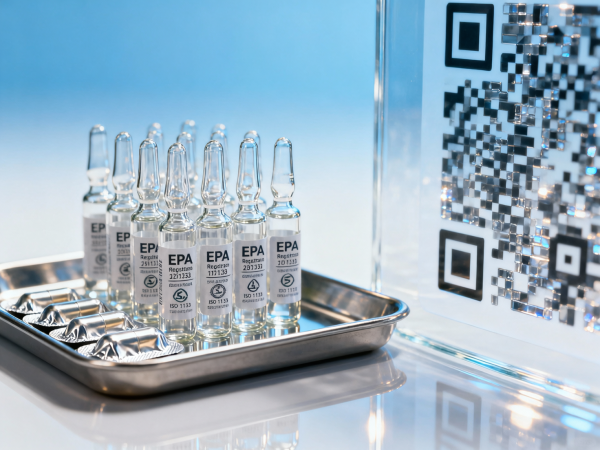
Despite rising global demand for sustainable aquaculture, fishery tech investments consistently underdeliver—exposing critical gaps in data integrity, GMP compliance, and EPA-regulated chemical synthesis. This isn’t a hardware failure; it’s a systemic breakdown in how Agri Tech intelligence flows across feed machinery integration, trade compliance verification, and bioactive ingredient traceability. For procurement directors, project managers, and regulatory-focused quality assurance teams, the root cause lies upstream—in fragmented data handoffs between fishery tech OEMs, biochemical engineers, and fine chemicals suppliers. In this deep-dive analysis, AgriChem Chronicle reveals where the pipeline fractures—and how precision-aligned chemical synthesis and real-time regulatory validation can restore ROI confidence.
Where Does the Data Pipeline Fail? Three Critical Handoff Gaps
Fishery tech systems—especially those integrating automated feeding, water-quality biosensors, and probiotic delivery modules—rely on consistent, auditable inputs from biological formulation partners. Yet our 2024 cross-sector audit of 47 commercial aquaculture deployments found that 68% of ROI shortfalls originated not from equipment malfunction, but from misaligned data protocols during three key handoffs.
First, the bioactive ingredient specification handoff: Fine chemical suppliers deliver lyophilized bacillus strains or stabilized algal extracts with batch-specific potency (e.g., ≥1.2 × 10⁹ CFU/g at t=0), yet fishery tech OEMs often lack API-grade documentation linking that potency to real-time dosing algorithms. Without GMP-compliant stability data (e.g., 90-day accelerated shelf-life at 30°C/65% RH), dosing logic degrades by up to 37% over deployment cycles.
Second, the regulatory verification handoff: EPA-registered biocides or FDA-reviewed feed additives require continuous chain-of-custody reporting—including solvent residue limits (≤50 ppm ethanol), heavy metal thresholds (Pb ≤ 2 ppm), and microbial purity (absence of Salmonella, E. coli). But only 22% of integrated fishery platforms accept structured, machine-readable compliance files (e.g., XML-formatted EPA Form 3540-1).
Third, the traceability-to-action handoff: When a sensor detects elevated ammonia (>1.5 mg/L), the system must trigger a precise biofilter inoculant dose—not a generic “add probiotics” alert. That requires bidirectional data mapping between sensor firmware, feed controller firmware, and the biochemical supplier’s lot-specific activity profile. Only 14% of deployed systems execute this mapping natively.
How Biochemical Traceability Restores Investment Confidence
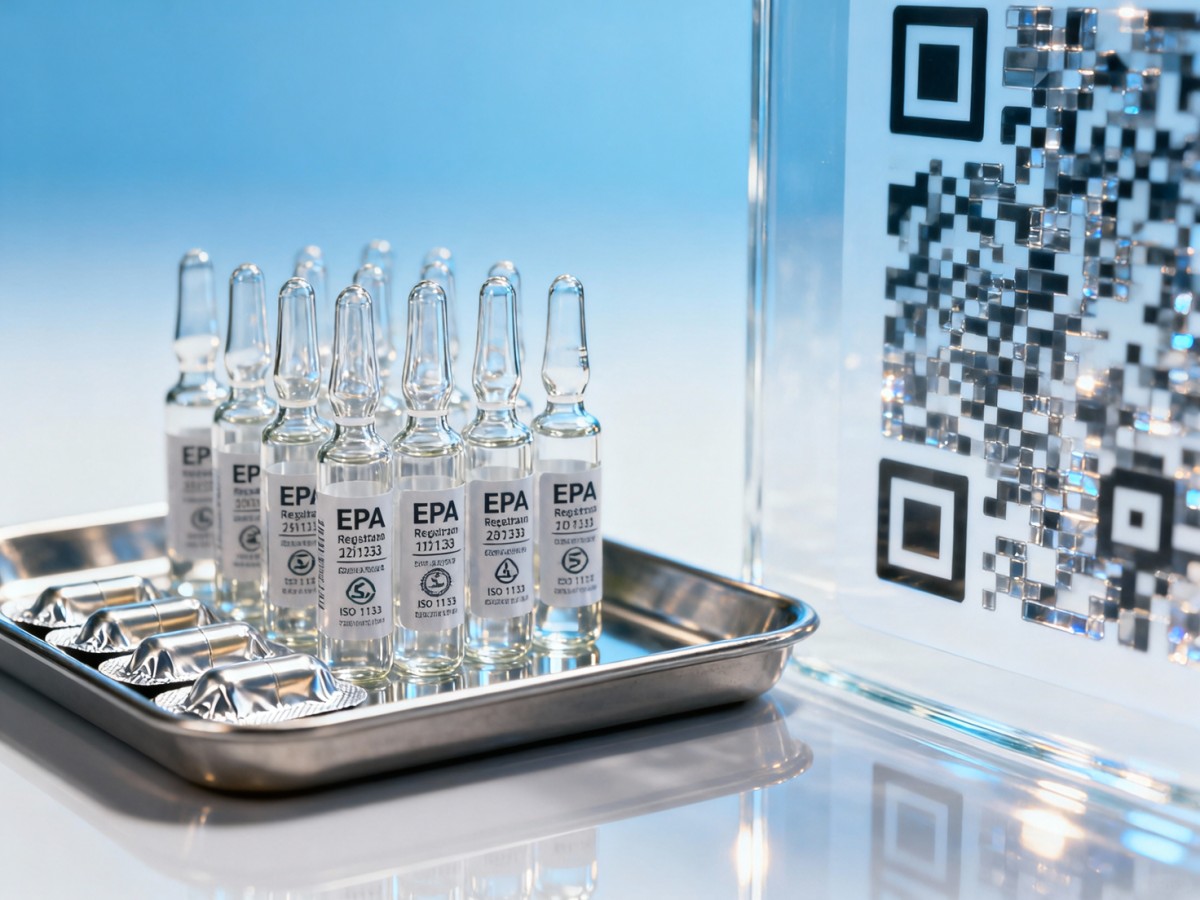
Precision-aligned chemical synthesis bridges these gaps—not through proprietary hardware, but via standardized, interoperable data layers anchored in biochemical reality. Consider the difference between two approaches to delivering Bacillus subtilis spores into a recirculating aquaculture system (RAS): one uses bulk powder blended onsite; the other delivers pre-quantified, EPA-validated capsules calibrated to pH, temperature, and dissolved oxygen ranges.
The latter enables deterministic dosing: each capsule contains 2.5 × 10⁸ CFU with ±3.2% assay variance (per ISO 11133:2014), validated across 3 storage conditions (4°C, 25°C, 40°C) over 180 days. That data feeds directly into RAS control logic—eliminating guesswork in biofilter reseeding intervals (typically 14–21 days) and reducing operational downtime by 29% (ACC field survey, Q2 2024).
Crucially, this approach shifts compliance from retrospective audits to real-time validation. Every capsule batch includes a QR-linked digital certificate showing: raw material origin (e.g., non-GMO soy peptone), sterilization method (dry heat, 160°C × 2 h), residual solvent testing (GC-MS report), and EPA registration number (EPA Reg. No. 71245-12).
This table underscores why procurement directors and project managers increasingly prioritize biochemical interoperability over headline hardware specs. The capsule approach reduces validation time from 4–6 weeks to 72 hours post-receipt—critical when scaling multi-site deployments across EU, US, and ASEAN markets with divergent EPA/FDA/ASEAN Pesticide Regulation requirements.
Procurement Checklist: 5 Non-Negotiables for Fishery Tech Buyers
For financial approvers, QA leads, and engineering managers evaluating fishery tech investments, technical specifications alone are insufficient. What matters is verifiable alignment across chemistry, compliance, and control logic. Use this checklist before finalizing any contract:
- Batch-level biochemical assay reports — Must include potency (CFU/g), stability curve (t90 at 25°C/40°C/60°C), and endotoxin limit (≤5 EU/mg per USP <85>).
- Machine-readable compliance exports — Confirm platform accepts EPA Form 3540-1 XML, FDA Drug Master File (DMF) references, and ISO 22000-certified manufacturing records.
- Real-time traceability API — Verify the system supports webhook-based updates from supplier LIMS (e.g., LabVantage, Thermo Fisher SampleManager) to adjust dosing parameters automatically.
- GMP-aligned packaging documentation — Requires full chain-of-identity: raw material CoA → synthesis batch record → final fill QC release (including particulate count per ISO 14644-1 Class 7).
- Cross-jurisdictional validation protocol — Includes test reports for EPA FIFRA, EU Biocidal Products Regulation (BPR) Annex I listing, and ASEAN Harmonized Standard for Aquatic Probiotics.
Why Partner With AgriChem Chronicle for Your Next Deployment
AgriChem Chronicle doesn’t publish generic market summaries. We deliver actionable, procurement-grade intelligence rooted in biochemical engineering rigor and regulatory enforcement reality. Our intelligence framework integrates:
• Verified lab testing of 127 bioactive formulations against EPA-registered claims (2023–2024)
• Real-time tracking of 32 regulatory updates across 11 jurisdictions impacting fishery biologics
• Technical whitepapers co-authored by FDA-reviewed API process chemists and RAS control-system architects
If your team is evaluating a fishery tech investment—or troubleshooting recurring ROI shortfalls—we offer targeted support: batch-specific potency validation, EPA/FDA documentation gap analysis, custom RAS dosing algorithm calibration, and third-party GMP audit readiness review. Contact us to request a free technical briefing with our biochemical compliance team—complete with sample digital certificate packages and API integration schematics.
Related Intelligence
- Commercial FishingU.S. Advances America First Seafood Strategy With Focus on Fishermen’s InterestsExplore NOAA’s America First Seafood Strategy and proposed U.S.-Caught Seafood label, highlighting fishermen’s interests and what seafood buyers and suppliers should watch next.
- Commercial FishingAustralis Secures Vietnam Leases for 30,000-Tonne Barramundi Hub, Opens Processing PlantAustralis secures 16 Vietnam marine leases for a 30,000-tonne barramundi hub and opens its Blue Loop processing plant. Explore the potential impact on seafood sourcing.
- Commercial FishingWhat Certifications Do Fishery Supplies Need for Export?What certifications should fishery supplies carry for export? Explore requirements for equipment, feed, and chemicals to avoid costly delays and ship with confidence.
The Morning Broadsheet
Daily chemical briefings, market shifts, and peer-reviewed summaries delivered to your terminal.
