

The Authority in Global Agricultural Chemistry & Bio-Resources
Vietnamese Pangasius Exporters Urged to Stay Calm as China Adds Checks
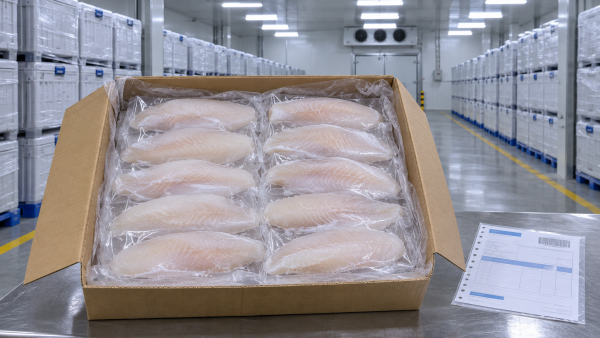
On November 23, 2026, the Vietnam Association of Seafood Exporters and Producers (VASEP) urged members to remain calm as China conducts additional checks on imported pangasius. The advice is relevant to processors, exporters and buyers assessing how the checks might affect documentation, shipment planning and supply continuity. The available information points to a change in inspection activity, while leaving the scope and practical application of the checks open to verification.
VASEP Calls for a Measured Response
VASEP wrote to its members on November 23, advising pangasius processors and exporters to stay calm and avoid panic in response to China’s recent additional checks on imported pangasius. The association’s message was intended to steady industry sentiment, support the smooth operation of the export supply chain and prevent market fluctuations caused by overreaction.
The information provided identifies the additional checks and the association’s advice, but does not describe the checks in detail. It does not specify their scope, procedures or duration, or identify a new legal instrument.
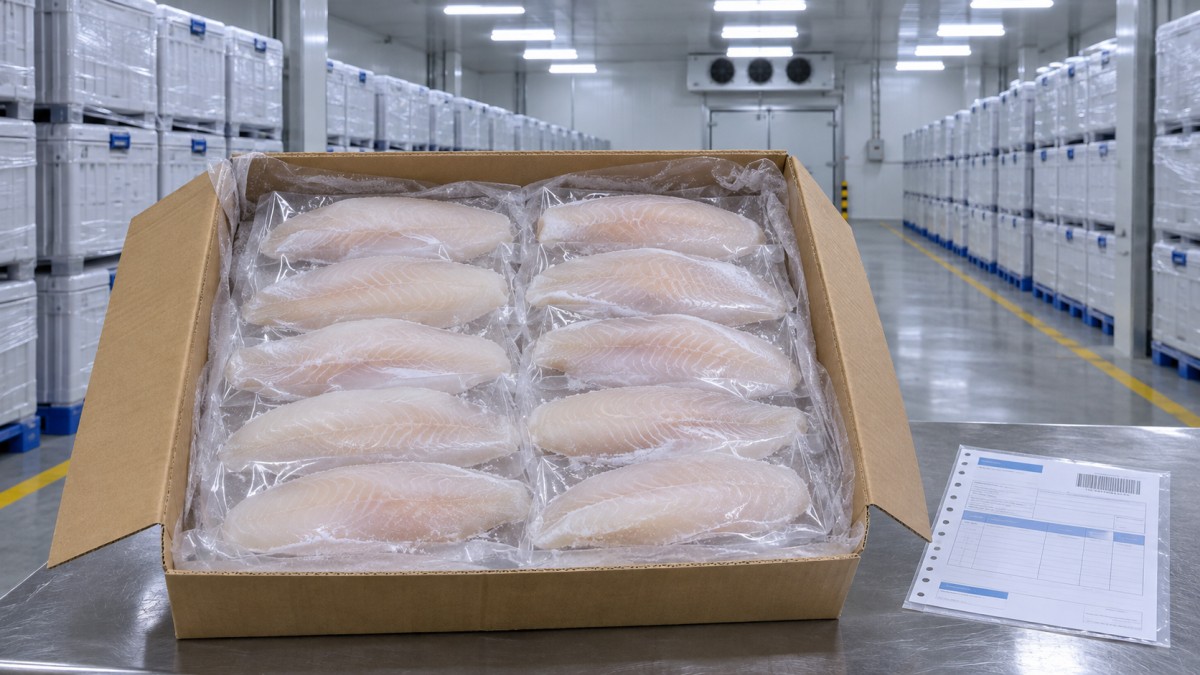
Where Additional Checks Could Affect Trade
Processors and the Records Behind Each Shipment
From an industry perspective, processors may need to pay closer attention to the information available for products intended for export. If additional checks involve reviewing product or shipment details, the ability to retrieve consistent records could help companies respond to questions without unnecessary internal delay. The input does not establish which records are being requested, so any document review should begin with verification of the applicable instructions.
Processors may also find it useful to coordinate production schedules with exporters as shipment information becomes clearer. This is a planning consideration, not evidence that processing requirements have changed. The immediate question is whether any confirmed inspection practice calls for different information, timing or handling at the point where processed goods enter the export chain.
Exporters Managing Shipments to China
For exporters, the possible effect lies in the interval between preparing a shipment and completing delivery. Additional checks could require more time or communication, depending on how they are applied. The available information does not establish that delays have occurred, how long checks might take or whether every shipment is affected.
Export teams may therefore benefit from reviewing shipment records and checking the latest instructions relevant to individual consignments. They can also discuss possible timing changes with the parties involved in delivery. Such steps would help distinguish a confirmed issue affecting a particular shipment from an assumption about all pangasius exports to China.
Buyers and Supply Chain Partners
Buyers may need reliable information about expected availability and delivery timing when additional checks are taking place. If an exporter identifies a verified change affecting a shipment, timely communication could help the buyer assess its purchasing schedule. Conversely, an unconfirmed report about inspection activity may not justify changing an entire order plan.
Supply chain partners involved in moving or receiving goods may face similar planning questions. Their potential exposure depends on the actual handling of each shipment, which is not described in the input. The practical distinction is between preparing for a possible timing change and treating disruption as an established outcome.
Questions to Resolve Before Changing Plans
Confirm What the Checks Cover
Companies can seek current, shipment-specific information about what is being checked and whether any additional action is expected from an exporter or its partners. Relevant questions include which products or consignments are affected, what information may be requested and who should provide it. None of these details is confirmed in the supplied account.
Where instructions are communicated through business partners, companies may wish to verify them against available official or association information. Keeping the original wording and date of any instruction can make it easier to identify whether a later message clarifies or changes the position. This is a suggested verification practice, not a newly stated compliance requirement.
Check Documents for Consistency
Exporters and processors can review the information they already use to identify products and shipments, paying attention to whether the same details are presented consistently across relevant records. If a specific request for further documentation is confirmed, the responsible team can then determine what is needed for that shipment.
The input does not say that new certificates, test reports or other documents are mandatory. Companies should avoid assuming either that an unfamiliar document is required or that existing materials will answer every possible inquiry. The useful next step is to match any preparation to verified instructions and retain a clear record of the response.
Discuss Timing Without Presuming a Delay
Procurement and delivery teams can consider how they would respond if a check affected the timing of an individual consignment. That assessment might include reviewing agreed delivery arrangements, identifying who will provide updates and discussing reasonable alternatives with the relevant buyer or supplier if a problem is confirmed.
There is no stated basis for a general estimate of additional inspection time. Planning conversations should therefore distinguish an expected delivery date from a verified change to it. This approach allows trading partners to prepare for uncertainty while avoiding decisions based solely on concern about the checks.
Keep Responses Proportionate
VASEP’s advice places particular emphasis on avoiding panic. In practice, a proportionate response could mean assigning responsibility for monitoring updates, recording questions raised about specific shipments and sharing confirmed information with affected colleagues and business partners.
Companies may also wish to review decisions that would substantially alter procurement or shipping plans against the evidence available at the time. The association’s message does not prohibit such decisions; it cautions against overreaction. Each business must assess its own circumstances as more information becomes available.
An Inspection Signal With Details Still to Be Established
Analysis suggests that this development is best understood as a reported change in inspection activity and an execution signal for the trade, rather than evidence of a fully described new regulatory framework. The input confirms that China has recently carried out additional checks on imported pangasius, but it does not explain the legal basis, criteria or operating procedures behind them.
That distinction matters because an additional check can affect business planning even when the underlying requirements have not been described as changing. At the same time, the existence of checks alone does not establish a new certification obligation, a market-wide delivery delay or a lasting shift in purchasing conditions. Those outcomes would require separate evidence.
What deserves closer attention is how the checks are applied in practice: whether their scope is clarified, what information businesses are asked to provide and how trading partners report their experience. Official communications, association updates and verified shipment-level feedback could help companies assess whether their preparations remain appropriate. No particular outcome or implementation timetable can be inferred from the supplied summary.
Keeping Trade Decisions Grounded in Verified Information
The immediate industry significance is the need to manage an identified inspection development alongside uncertainty about its execution. Processors, exporters, buyers and delivery partners may all have reason to review how they share information and plan shipments, but their responses should reflect confirmed circumstances.
At this stage, the measured interpretation is that additional checks are taking place and VASEP has advised its members to remain calm. Businesses can monitor further instructions, verify the position for individual consignments and adjust plans when evidence supports doing so. The available information does not support a conclusion about the eventual effect on trade or supply continuity.
Basis for This Report and Further Verification
This article is based on the title, event date and event summary supplied by the user. No specific official source link was provided in the input, and the underlying details should continue to be verified. Relevant material for follow-up may include official announcements, information from customs or trade authorities, and updates from the industry association.
Further review should focus on any published inspection details, the instructions applied to shipments, trade execution and feedback from affected businesses. Until such information is available and checked, the potential effects discussed above remain analysis rather than confirmed results.
Related Intelligence
- Commercial FishingChina Suspends Import Eligibility for Nine Ecuadorian Shrimp PlantsChina suspends import eligibility for nine Ecuadorian shrimp plants. Explore potential supply chain impacts and practical checks for buyers and exporters.
- Commercial FishingVietnamese Pangasius Exporters Urged to Stay Calm as China Adds ChecksVietnamese pangasius exporters face additional checks in China. Discover VASEP’s advice and practical steps for managing shipments and supply uncertainty.
- Commercial FishingChile’s Lafkenche Law Stalls $200 Million in Salmon Farming InvestmentChile’s Lafkenche Law has stalled $200 million in proposed salmon farming investment. Explore the impact of marine access restrictions.
The Morning Broadsheet
Daily chemical briefings, market shifts, and peer-reviewed summaries delivered to your terminal.