

The Authority in Global Agricultural Chemistry & Bio-Resources
Indonesia Centralizes Exports of Palm Oil, Coal and Ferroalloys
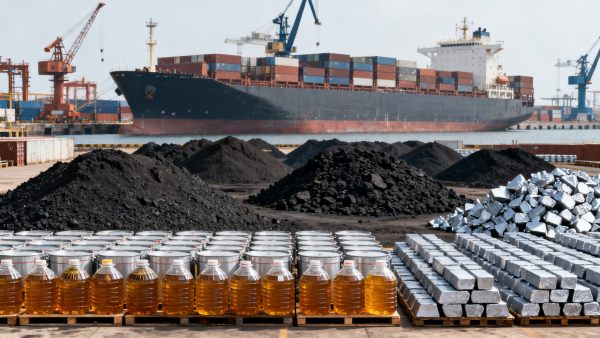
From June 1, 2026, Indonesia has moved to centralized export control for palm oil, coal and ferroalloys, with state-owned PT Danantara Energi designated as the sole export entity for these categories. For companies tied to these upstream materials, the change is not just a trade headline but a practical rule shift that may affect sourcing arrangements, export execution, delivery planning and supply chain compliance review. It is particularly relevant for suppliers of metal structural components used in RAS systems and for raw material suppliers serving aquafeed additive production, both of which may need to reassess upstream supply stability in Indonesia and review alternative procurement options.
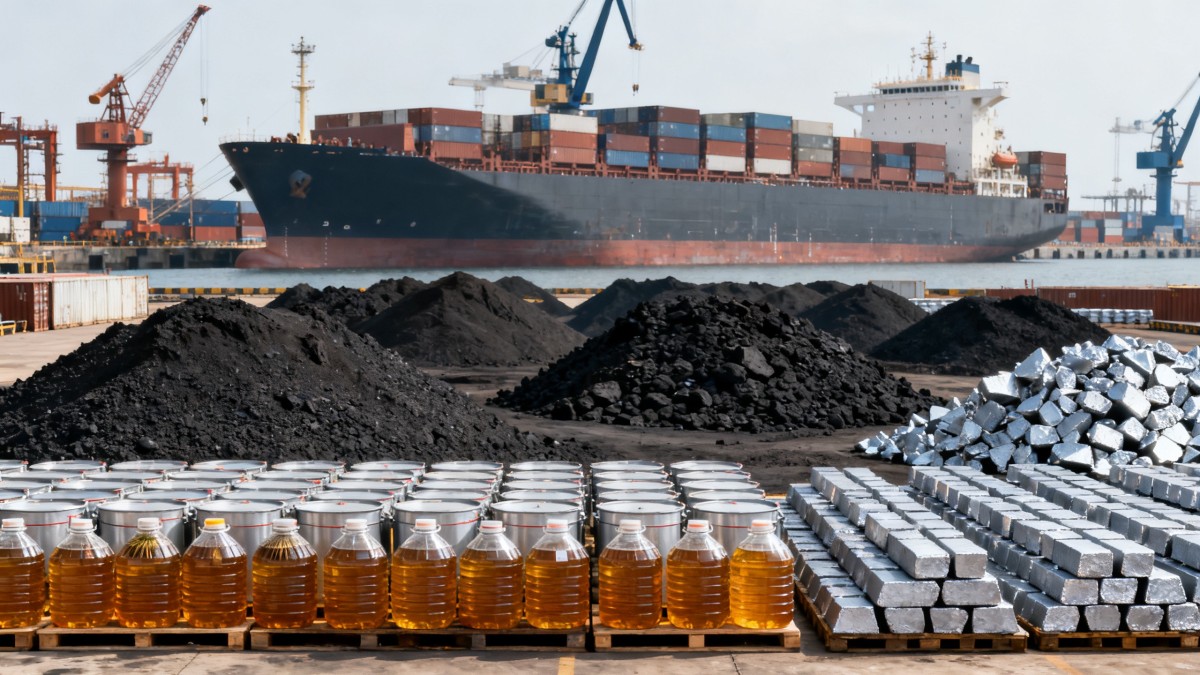
What the confirmed change covers
The confirmed information indicates that, starting in June 2026, Indonesia began centralized export control over palm oil, coal and ferroalloys. The exports of these products are to be executed uniformly by PT Danantara Energi, a state-owned enterprise.
The first batch does not include bauxite or nickel. At the same time, the provided information specifically notes that suppliers of metal structural components used for RAS systems, as well as suppliers of raw materials for aquafeed additives, should assess the stability of Indonesian upstream supply and alternative sourcing paths.
Where the pressure points may appear in the supply chain
For traders and import-side buyers
Analysis shows that the most direct impact may fall on companies involved in cross-border purchasing and contract execution for the affected export categories. If export handling is concentrated into a single entity, buyers may need to pay closer attention to counterparty arrangements, document consistency and shipment coordination. What deserves closer attention is whether existing procurement workflows, delivery schedules and commercial terms remain aligned with the new export structure.
For manufacturers dependent on linked raw materials
From an industry perspective, manufacturers may be affected even when they do not directly buy palm oil, coal or ferroalloys themselves, if their upstream inputs are connected to Indonesian supply chains influenced by this control model. For metal structural component suppliers serving RAS systems, and for aquafeed additive raw material suppliers, the immediate issue is not only price or availability, but also whether upstream supply continuity, lead times and substitution plans need to be reviewed.
For logistics and supply chain service providers
Observably, service providers handling export documentation, shipment booking, delivery coordination or contract fulfillment may need to watch for changes in operational interfaces. Even without detailed execution rules in the input, centralized export control usually means that participants should verify whether document flows, exporter identification and delivery responsibility are changing at the transaction level. At this stage, these are points for review rather than confirmed implementation outcomes.
Practical checks companies should start now
Recheck supplier and exporter alignment
Companies with active or planned business involving the affected categories should review whether current supplier structures and export arrangements remain workable under a sole-export-entity model. This is especially important where contracts, shipping instructions or customs-related documents were originally built around different execution parties.
Review procurement fallback options
Analysis shows that the reference to RAS-related metal structural components and aquafeed additive raw materials makes procurement resilience a near-term concern. Firms relying on Indonesian upstream supply should map which materials or semi-finished inputs may face disruption risk and identify alternative procurement paths before execution bottlenecks appear.
Track official wording and transaction documents
Because the input does not provide detailed implementing rules, it is more appropriate to treat this as a confirmed policy move with important execution questions still open. Companies should therefore monitor future official wording, transaction document requirements, tender language and any counterpart-issued notices that may clarify how exports are to be handled in practice.
Prepare for delivery and traceability adjustments
Where supply contracts depend on timing, batch traceability or technical documentation, businesses should examine whether centralized export handling could require updates to internal review procedures. This is not yet a confirmed change in document format or compliance scope, but it is a reasonable area for advance preparation.
How this change is best understood at this stage
In editorial observation, this development is best understood as an implementation signal rather than a fully transparent end-state rule framework. The key confirmed fact is that centralized export control has started for palm oil, coal and ferroalloys, with PT Danantara Energi acting as the sole export body. What remains to be observed is how this translates into day-to-day trade practice, documentation expectations, supplier coordination and market response.
From an industry perspective, the significance lies less in abstract policy language and more in whether concentrated export execution changes the reliability, speed or structure of supply access. That is why affected businesses should keep watching not only for formal policy detail, but also for operational feedback from actual transactions.
What the market should take from it now
This development matters because it points to a concrete rule change in export organization for several important Indonesian commodities. For companies connected to these supply chains, the immediate task is not to assume a fixed market outcome, but to reassess procurement exposure, contract execution arrangements and upstream dependency risks. At present, it is more appropriate to understand the news as a landed policy change that still requires close observation on implementation details and commercial impact.
Basis of this article and follow-up verification
This article is based on the user-provided news title, event date and event summary. For events of this type, relevant source categories typically include official announcements, regulatory releases, customs or trade authority information, industry association notices, standard-setting documents and reporting by authoritative media. A specific official source link was not provided in the input, so further verification remains necessary.
Items that still require continued observation include any detailed implementation rules, compliance interpretations, transaction document requirements, tender document changes, market feedback and how companies are handling execution in practice.
Related Intelligence
- RAS SystemsAquaculture Filter Installation Costs: Plumbing, Labor, and CommissioningUnderstand aquaculture filter installation cost, from plumbing and labor to commissioning. Compare complete project scopes, uncover hidden expenses, and budget confidently before you buy.
- RAS SystemsAquaculture System Technologies: Comparing Ponds, Flow-Through, and RASCompare aquaculture systems technologies—ponds, flow-through, and RAS—to assess water needs, costs, and risks. Discover which system best fits your site and production goals.
- RAS SystemsSustainable Aquaculture Practices That Cut Feed Waste and Protect Fish Farm Water QualitySustainable aquaculture for fish farms: reduce feed waste, protect water quality, and build resilient, efficient systems with practical strategies.
The Morning Broadsheet
Daily chemical briefings, market shifts, and peer-reviewed summaries delivered to your terminal.
