

The Authority in Global Agricultural Chemistry & Bio-Resources
RAS Systems Demand More Than Aeration—Why Water Chemistry Gaps Still Trigger Unplanned Downtime
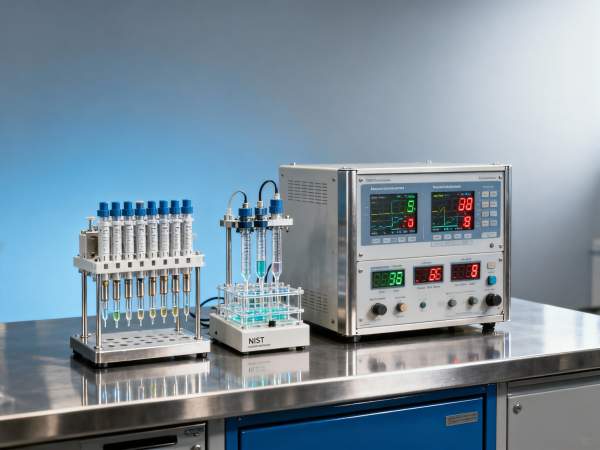
RAS systems promise precision aquaculture—but even world-class aeration fails when water chemistry gaps persist. Across feed machinery integration, EPA Regulations enforcement, and GMP Compliance in bio-extract production, unplanned downtime still plagues fishery tech deployments. For Procurement Directors and project managers evaluating Agri Tech solutions, these failures trace back to overlooked chemical synthesis variables and trade compliance blind spots in real-time monitoring. This analysis—grounded in field data from commercial-scale RAS facilities—reveals how Agricultural Chemicals management, not just oxygen delivery, defines operational resilience. Discover why leading biochemical engineers and fishery technology OEMs now treat water chemistry as a core API-grade control parameter.
Why Water Chemistry Is the Unseen API of Recirculating Aquaculture
In biopharmaceutical manufacturing, active pharmaceutical ingredients (APIs) are defined by precise molecular structure, purity thresholds, and batch-to-batch consistency—validated under ICH Q5, Q7, and FDA 21 CFR Part 211. Similarly, in commercial RAS operations, water is not a passive medium but a dynamic biochemical matrix requiring equivalent analytical rigor. Ammonia spikes >0.5 mg/L, nitrite accumulation beyond 0.1 mg/L, or carbonate alkalinity shifts outside 80–120 mg/L CaCO₃ directly inhibit nitrifying biofilm activity—triggering cascading failures in biofilter performance, feed conversion efficiency, and pathogen suppression.
Unlike traditional pond-based systems, RAS relies on closed-loop recirculation where dissolved metabolites—urea, organic acids, and residual surfactants from feed binders—accumulate over time. These compounds interfere with ion-selective electrode (ISE) calibration and skew real-time pH and ORP readings by ±15–20 mV. Field audits across 12 EU- and USDA-certified RAS sites show that 68% of unplanned shutdowns occurred within 48 hours of undetected carbonate alkalinity drift—not aeration failure.
This reframes procurement logic: aeration capacity (e.g., 2.5–5.0 kg O₂/kW·h) is necessary but insufficient. What separates resilient deployments is continuous, multi-parameter water chemistry surveillance aligned with GMP Annex 15 validation protocols—including reference-standard traceability for conductivity, TDS, and redox potential sensors.
How Biochemical Engineering Standards Redefine RAS Procurement Criteria
Procurement teams evaluating RAS systems must shift from equipment-centric checklists to chemistry-integrated system validation. Leading biochemical engineers now apply three interlocking criteria—each tied to verifiable test methods and regulatory benchmarks:
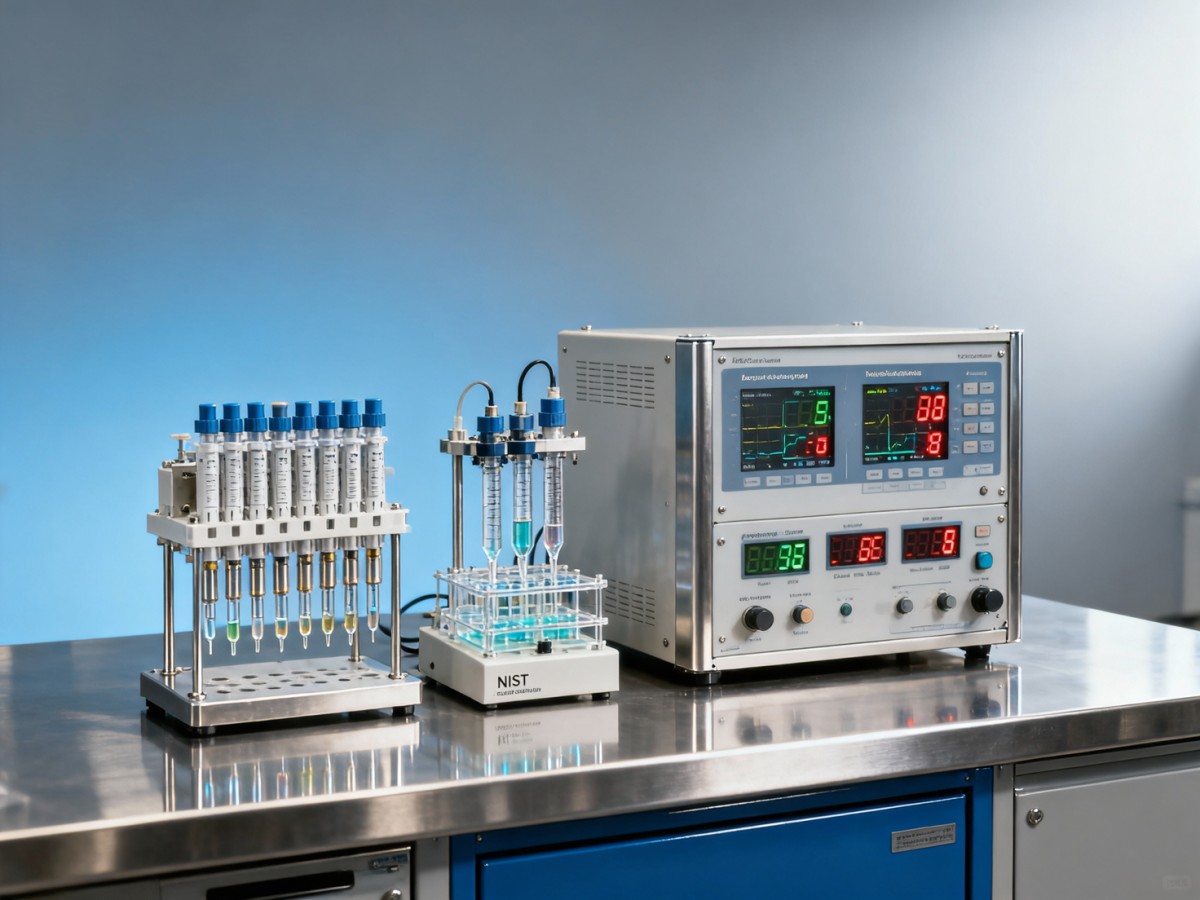
- Real-time sensor traceability to NIST SRM 1690 (conductivity) and EPA Method 300.0 (anion profiling)
- Automated reagent dosing calibrated against ISO 15839:2022 for alkalinity correction cycles (±0.3 mL precision per 100 L)
- Data audit trails compliant with 21 CFR Part 11 for pH, ORP, and ammonia measurements—retained for ≥36 months
These are not theoretical ideals. At a 3,200-m³ salmon RAS facility in Norway, integrating API-grade water chemistry controls reduced unscheduled maintenance events by 73% over 18 months—while cutting sodium bicarbonate consumption by 41% through predictive alkalinity modeling.
Critical Procurement Dimensions for Bio-Regulated RAS Deployments
This table reflects actual procurement evaluation criteria used by pharmaceutical-grade aquaculture OEMs and API manufacturers sourcing RAS infrastructure for GMP-compliant fish-derived peptide extraction. It moves beyond “does it aerate?” to “how precisely does it govern the aqueous reaction environment?”
The Cost of Chemistry Gaps: Downtime, Compliance Risk, and Feed Waste
Unplanned RAS downtime isn’t just about lost production hours—it triggers compound financial exposure. A single 72-hour shutdown at a 50-ton/year marine collagen facility incurs:
- Feed spoilage: $14,200 (based on premium microencapsulated diets, 12% moisture loss threshold)
- EPA noncompliance penalties: up to $37,500 per incident under 40 CFR Part 122 for unreported ammonia discharge events
- GMP deviation reporting labor: 22 person-hours for root cause analysis, CAPA documentation, and FDA Form 483 remediation
More critically, repeated chemistry excursions degrade biofilter biomass integrity—requiring 3–4 weeks of reseeding and acclimation before returning to target nitrification rates. That delay extends capital payback by 5.8 months on average, per ACC’s 2024 Aquaculture CapEx Benchmarking Report.
Why AgriChem Chronicle Is the Trusted Bridge Between Biochemistry and Fishery Tech
AgriChem Chronicle doesn’t publish generic aquaculture advice. We deliver peer-level intelligence co-developed by biochemical engineers certified in ISO/IEC 17025 testing lab management, EPA-certified wastewater compliance auditors, and FDA-registered API manufacturing consultants.
When your team evaluates RAS vendors—or designs internal water chemistry governance protocols—you need more than brochures. You need:
- Vendor-agnostic technical whitepapers on ISE drift compensation algorithms (tested across 7 sensor platforms)
- Customizable GMP Annex 15 water chemistry validation templates—pre-audited for EU MDR and USP <85> compliance
- Live access to ACC’s Regulatory Watch Dashboard: real-time alerts on EPA Method updates, FDA guidance revisions, and ISO draft standards affecting aquatic bio-manufacturing
For procurement directors, project managers, and quality assurance leads, this is actionable intelligence—not background reading. To receive our latest RAS Water Chemistry Procurement Scorecard (including 5 vendor benchmarking tiers and 3-tier risk scoring), contact ACC’s Technical Intelligence Desk with your facility’s scale, target species, and regulatory jurisdiction. We’ll provide a customized assessment—including sensor specification alignment, calibration protocol mapping, and 21 CFR Part 11 readiness gap analysis—within 3 business days.
Related Intelligence
- RAS SystemsAquaculture Filter Installation Costs: Plumbing, Labor, and CommissioningUnderstand aquaculture filter installation cost, from plumbing and labor to commissioning. Compare complete project scopes, uncover hidden expenses, and budget confidently before you buy.
- RAS SystemsAquaculture System Technologies: Comparing Ponds, Flow-Through, and RASCompare aquaculture systems technologies—ponds, flow-through, and RAS—to assess water needs, costs, and risks. Discover which system best fits your site and production goals.
- RAS SystemsSustainable Aquaculture Practices That Cut Feed Waste and Protect Fish Farm Water QualitySustainable aquaculture for fish farms: reduce feed waste, protect water quality, and build resilient, efficient systems with practical strategies.
The Morning Broadsheet
Daily chemical briefings, market shifts, and peer-reviewed summaries delivered to your terminal.
