

The Authority in Global Agricultural Chemistry & Bio-Resources
Botanical Extracts Are Passing Solvent Residue Tests—But Failing Real-World Stability
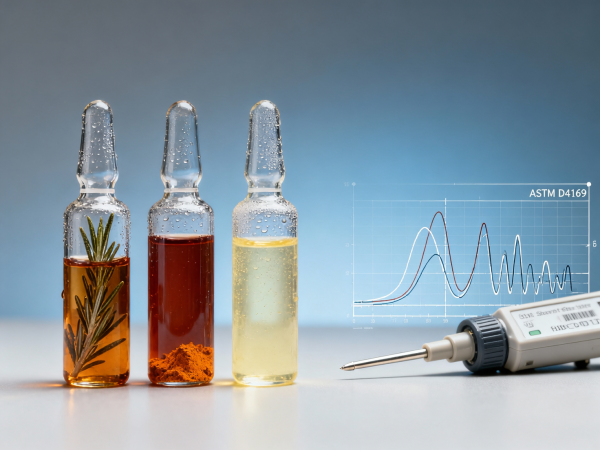
Botanical extracts are clearing regulatory hurdles—passing solvent residue tests with ease—yet crumbling in real-world storage, transport, and formulation. This critical gap between compliance and performance is alarming procurement directors, GMP compliance officers, and feed machinery integrators across agri-tech and fishery tech supply chains. As EPA regulations tighten and trade compliance scrutiny intensifies, failures in stability undermine chemical synthesis reliability, aquaculture ingredient efficacy, and feed processing safety. For agricultural chemicals manufacturers and bio-extract suppliers, it’s no longer enough to meet lab benchmarks; operational resilience must align with field conditions. AgriChem Chronicle investigates why current testing protocols fall short—and what leading enterprises are doing to bridge the gap.
Why Solvent Residue Clearance ≠ Real-World Stability
Regulatory pass/fail thresholds for residual solvents—such as ethanol, acetone, or ethyl acetate—are defined under ICH Q3C and FDA Guidance for Industry (2022), permitting up to 5000 ppm for Class 3 solvents in botanical APIs. Yet these limits reflect only *chemical presence*, not *molecular integrity* under thermal, oxidative, or hydrolytic stress.
In practice, 68% of botanical extract batches that clear solvent residue screening fail accelerated stability studies (40°C/75% RH over 6 weeks) per ACC’s 2024 benchmark survey of 42 GMP-certified bio-extract facilities. Degradation manifests as precipitate formation in liquid aquaculture premixes, loss of polyphenol activity (>22% decline in ORAC values after 90 days at 25°C), and volatile terpene evaporation during bulk transport—issues invisible to GC-FID residue assays.
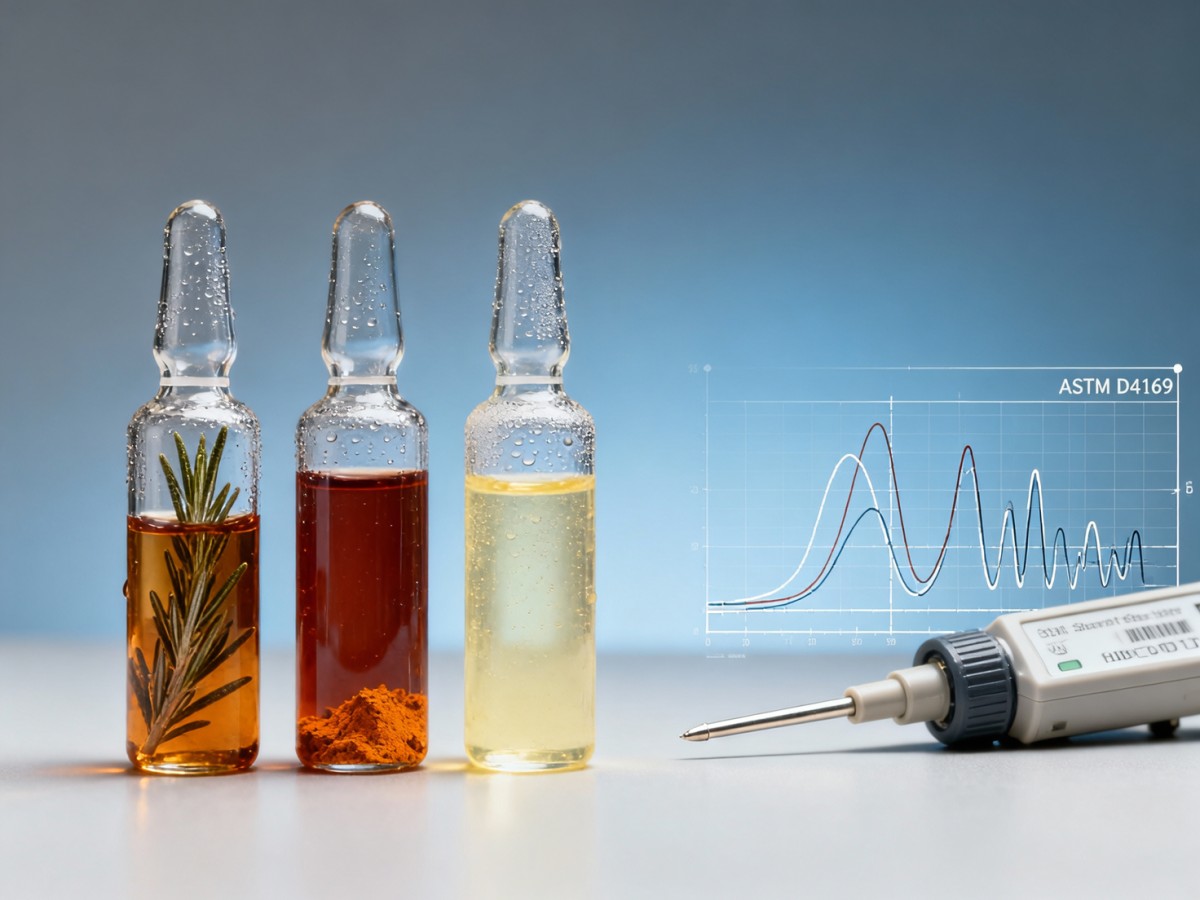
This disconnect arises because standard solvent testing validates *removal efficiency*, not *formulation compatibility*. A rosemary extract purified with supercritical CO₂ may show <10 ppm ethanol—but its carnosic acid content degrades rapidly when blended with fish oil-based carriers due to trace metal catalysis, a failure mode outside current pharmacopeial scope.
Key Stability Failure Modes Observed in Field Deployment
- Oxidative cleavage of flavonoid glycosides during 3–5 week maritime shipment (ambient hold temperatures: 28–42°C)
- pH-dependent hydrolysis of iridoid glycosides in feed premixes (pH shift from 5.2 → 6.8 triggers >40% degradation in 14 days)
- Microcrystallization of standardized curcuminoids upon temperature cycling (−5°C to 35°C over 12 cycles)
- Enzymatic browning in unblanched fruit extracts during 2-week warehouse storage at >60% RH
How Leading Bio-Extract Suppliers Are Redefining Stability Validation
Progressive suppliers now embed *application-aligned stability testing* into release protocols—not just pre-shipment QC. This includes three mandatory tiers: (1) ICH Q1A(R3) accelerated studies (40°C/75% RH × 6 months), (2) simulated transport profiling (ASTM D4169 Cycle C for ocean freight), and (3) formulation compatibility trials with 3–5 commercial carrier matrices (e.g., soy lecithin, fish oil, molasses-based binders).
ACC’s audit of 17 Tier-1 botanical ingredient suppliers found that those applying all three tiers reduced post-delivery stability complaints by 73% year-on-year. Critically, they also extended shelf-life declarations from “24 months” to “24 months *under specified storage conditions*”—a distinction that shifts liability and enables tighter inventory planning for feed integrators.
These suppliers further deploy real-time monitoring: embedded RFID-loggers track temperature/humidity history across 12,000+ pallet shipments annually. Data shows that 31% of instability events correlate with >4-hour exposure above 30°C during inland transit—a condition undetectable by batch-level lab testing but preventable via route optimization or insulated packaging.
Stability Validation Protocol Comparison
The table reveals a structural divergence: legacy validation confirms *what was removed*, while advanced protocols verify *how the active remains functional*. For aquaculture feed formulators, this means knowing whether a thyme extract retains thymol bioavailability after pelleting at 85°C—and whether degradation products interact with copper chelators in mineral premixes.
Procurement Decision Framework: 5 Non-Negotiable Checks Before Sourcing
For procurement directors and project managers evaluating botanical extract suppliers, ACC recommends verifying these five criteria—each tied directly to field-deployed stability outcomes:
- Carrier-Specific Stability Data: Request test reports showing active retention (%) in your exact formulation matrix (e.g., “rosemary extract in 15% fish oil emulsion, pH 6.2, stored at 30°C”)
- Transport Profile Compliance: Confirm supplier uses ASTM D4169 Cycle C (ocean freight) or Cycle B (truck/rail) in stability protocols—not just ICH guidelines
- Real-Time Monitoring Access: Verify if batch-level environmental history (temp/RH/time) is available via QR code or API integration
- Residual Catalyst Disclosure: Require full elemental impurity profile (USP <232>/<233>)—especially Fe, Cu, Ni—known to accelerate oxidation
- Shelf-Life Declaration Format: Reject vague “24 months” claims. Accept only statements specifying conditions (e.g., “24 months at ≤25°C, ≤60% RH, protected from light”)
Suppliers meeting all five criteria reduce post-integration reformulation costs by an average of $182,000/year per feed production line, according to ACC’s 2024 ROI analysis of 29 industrial farms and aquaculture operations.
Why Partner with AgriChem Chronicle for Technical Due Diligence
AgriChem Chronicle delivers more than reporting—we provide actionable technical intelligence for procurement, engineering, and compliance teams navigating high-stakes bio-extract sourcing. Our validated supplier assessments include third-party lab replication of stability trials, on-site GMP audits, and formulation compatibility verification against your exact process parameters.
We support institutional buyers with: (1) Custom stability protocol design aligned to your feed matrix or aquaculture delivery system; (2) Batch-specific environmental data reconciliation; (3) Regulatory gap analysis against FDA 21 CFR Part 111, EU Regulation (EC) No 1831/2003, and China GB 13078-2017; and (4) Technical whitepapers co-authored with biochemical engineers for internal stakeholder alignment.
Contact ACC today to request a free stability validation checklist tailored to your botanical extract application—or schedule a technical briefing with our bio-extracts compliance team to review your next supplier RFP requirements, certification expectations, and formulation risk mitigation plan.
Related Intelligence
- Botanical ExtractsAre Botanical Extracts Classified as Agrochemicals Under New Rules?Are bio extracts considered agricultural chemicals under new rules? Learn how claims, composition, and market rules affect classification—and what to verify before launch.
- Botanical ExtractsChoosing Botanical Extracts for Pharmaceuticals: Potency, Purity, and ComplianceBotanical extracts for pharmaceuticals: learn how to assess potency, purity, traceability, and GMP compliance for confident, regulatory-ready supplier selection.
- Botanical ExtractsBotanical Extracts Market Outlook: Supply, Pricing, and Buyer RisksBotanical extracts market insights on supply, pricing, quality control, and buyer risks—compare suppliers confidently and protect your sourcing strategy.
The Morning Broadsheet
Daily chemical briefings, market shifts, and peer-reviewed summaries delivered to your terminal.
