

The Authority in Global Agricultural Chemistry & Bio-Resources
What Is Grape Seed Extract OPC Used For in Supplements and Functional Foods?
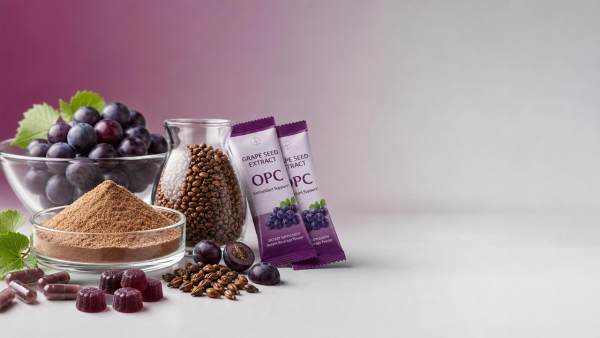
Why is grape seed extract OPC getting so much attention?
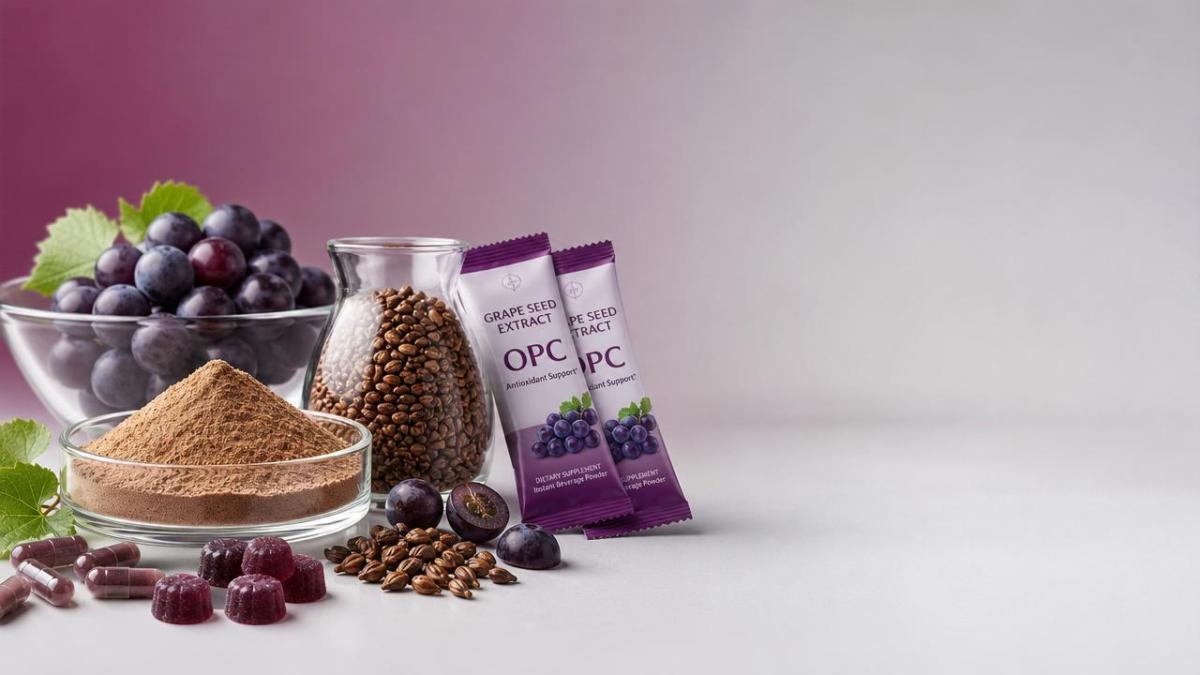
Interest in grape seed extract OPC has grown for a practical reason. It sits at the intersection of nutrition science, clean-label demand, and ingredient traceability.
In supplements and functional foods, this ingredient is mainly valued for oligomeric proanthocyanidins, often shortened to OPCs. These compounds are studied for strong antioxidant activity.
That matters because oxidation is linked with cellular stress, aging pathways, and product stability concerns. In simple terms, formulators see grape seed extract OPC as both biologically interesting and commercially relevant.
It also fits broader market shifts covered across technical journals such as AgriChem Chronicle, where bio-extracts, fine chemicals, and regulated sourcing increasingly overlap.
The real question is not whether grape seed extract OPC is popular. It is why it is used, where it makes sense, and how to judge quality beyond a label claim.
What is grape seed extract OPC actually used for?
The most common use of grape seed extract OPC is antioxidant support. That sounds broad, so it helps to break the category into real product intentions.
In dietary supplements, grape seed extract OPC is often positioned for cardiovascular wellness, circulation support, and healthy aging formulas. It is also common in beauty-from-within products.
In functional foods, usage is usually more selective. The ingredient may appear in powders, drink mixes, gummies, bars, and fortified nutrition blends where polyphenol content supports a premium wellness claim.
Another reason it is used is formulation flexibility. Compared with some plant actives, grape seed extract OPC can be standardized, blended with vitamins, and adapted to several delivery formats.
The applications most often discussed include:
- Cardiovascular support formulas focused on oxidative balance
- Skin health products linked to collagen protection and visible aging concerns
- Sports recovery blends where oxidative stress management matters
- General wellness products built around plant-based antioxidant positioning
In actual product development, the ingredient is rarely used alone for a single headline benefit. More often, it supports a wider formula story.
Does the evidence point more to heart health, skin support, or something else?
The evidence base around grape seed extract OPC is broad but uneven. Some health areas are more established in market language than in final clinical consensus.
Cardiovascular support remains one of the best-known uses. Researchers often focus on endothelial function, microcirculation, and protection against oxidative stress.
Skin health is another strong category. Here, grape seed extract OPC is discussed in relation to collagen integrity, environmental stress, and overall skin appearance.
There is also interest in metabolic wellness and exercise recovery. Still, these areas usually need more careful claim language and better product-context justification.
A useful way to read the landscape is to separate likely biological relevance from allowable commercial messaging.
This is why technical coverage matters. In regulated markets, the scientific signal and the labeling signal are not always the same thing.
How is grape seed extract OPC different from other antioxidant ingredients?
People often compare grape seed extract OPC with green tea extract, pine bark extract, resveratrol, or mixed berry polyphenols. The differences are not just marketing details.
Grape seed extract OPC is typically chosen when a formula needs concentrated proanthocyanidins without relying on caffeine, fruit sugars, or highly aromatic botanicals.
It also carries a familiar plant-origin story. That helps in clean-label positioning, especially when the supply chain can document origin, extraction method, and contaminant testing.
More importantly, grape seed extract OPC often performs well in multi-ingredient systems. It can sit beside vitamin C, collagen peptides, coenzyme Q10, or lutein without feeling out of place.
A practical comparison looks like this:
- Compared with green tea extract, it avoids caffeine-related concerns.
- Compared with resveratrol, it is often positioned as broader antioxidant support.
- Compared with generic fruit extracts, it usually offers clearer standardization.
- Compared with synthetic antioxidants, it aligns better with natural ingredient strategies.
That said, no antioxidant ingredient is automatically superior. The better choice depends on claim strategy, formulation behavior, and regulatory pathway.
What should you check before using it in a supplement or functional food?
This is where many misunderstandings begin. Two grape seed extract OPC products may look similar on paper but differ in quality, usability, and compliance readiness.
The first checkpoint is standardization. A label may mention grape seed extract, yet the meaningful number is often the OPC or proanthocyanidin content.
The second checkpoint is extraction and solvent history. Residual solvents, heavy metals, pesticide limits, and microbial controls all matter in cross-border trade.
The third checkpoint is formulation fit. Some versions work well in capsules but are less suitable for beverages because of solubility, haze, bitterness, or color shift.
It helps to confirm the following before moving ahead:
- Declared OPC percentage and testing method
- Botanical identity and raw material origin
- GMP-aligned manufacturing and batch consistency
- Regulatory documentation for target markets
- Stability data in the intended dosage form
This scrutiny reflects a broader industry reality. Journals that track fine chemicals and bio-extract supply chains often stress that ingredient transparency now carries strategic value, not just compliance value.
Are there common mistakes or risks when evaluating grape seed extract OPC?
Yes, and most of them come from oversimplifying the ingredient. One common mistake is assuming every grape-derived extract delivers the same composition.
Another is focusing only on headline antioxidant language. In practice, sensory performance, dose form compatibility, and claim restrictions can decide whether a formulation succeeds.
There is also a documentation risk. If an ingredient is intended for regulated distribution, incomplete certificates or weak traceability can slow approvals and commercial timelines.
A few caution points are worth keeping in mind:
- Do not confuse total polyphenols with OPC content.
- Do not assume clinical relevance from a low inclusion rate.
- Do not overlook flavor impact in powders or beverages.
- Do not treat supplier paperwork as a minor detail.
More broadly, grape seed extract OPC should be judged as a technical ingredient, not just a wellness keyword. That mindset usually leads to better decisions.
So, when does grape seed extract OPC make sense?
It makes sense when a formula needs a plant-based antioxidant with a recognizable health story, workable standardization, and room for compliant positioning.
It is especially relevant in supplements or functional foods built around cardiovascular support, skin wellness, healthy aging, or premium botanical blends.
Even then, the better question is not only what grape seed extract OPC is used for. It is whether the chosen grade matches the intended dosage form, market, and evidence threshold.
A sensible next step is to map the intended application against three basics: standardization, documentation, and formulation compatibility.
From there, compare technical data, verify testing methods, and review how claim language fits local rules. That approach turns grape seed extract OPC from a popular ingredient idea into a more defensible formulation decision.
Related Intelligence
- Botanical ExtractsChoosing Botanical Extracts for Pharmaceuticals: Potency, Purity, and ComplianceBotanical extracts for pharmaceuticals: learn how to assess potency, purity, traceability, and GMP compliance for confident, regulatory-ready supplier selection.
- Botanical ExtractsBotanical Extracts Market Outlook: Supply, Pricing, and Buyer RisksBotanical extracts market insights on supply, pricing, quality control, and buyer risks—compare suppliers confidently and protect your sourcing strategy.
- Botanical ExtractsEurope Botanical Extracts Market: Key Growth Drivers, Risks, and OpportunitiesEurope botanical extracts market insights: explore growth drivers, regulatory risks, supply-chain challenges, and scalable opportunities for compliant, high-value ingredients.
The Morning Broadsheet
Daily chemical briefings, market shifts, and peer-reviewed summaries delivered to your terminal.
