

The Authority in Global Agricultural Chemistry & Bio-Resources
China Logistics Index Returns to 50.3% in May
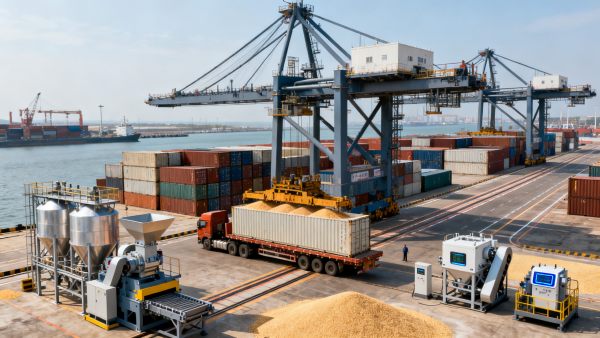
On May 31, 2026, the latest logistics data signaled a modest improvement in China’s transport and delivery environment for bulky equipment exports. With the logistics prosperity index returning to 50.3%, and container throughput at central and western ports rising month on month, export lead times for grain storage equipment, feed pellet machines, and intelligent environmental control systems have reportedly improved. For agricultural machinery exporters, equipment manufacturers, overseas buyers, and supply chain service providers, the key issue is not only the index rebound itself, but whether this easing in delivery pressure can carry into the third-quarter peak shipping season for South America and Africa.
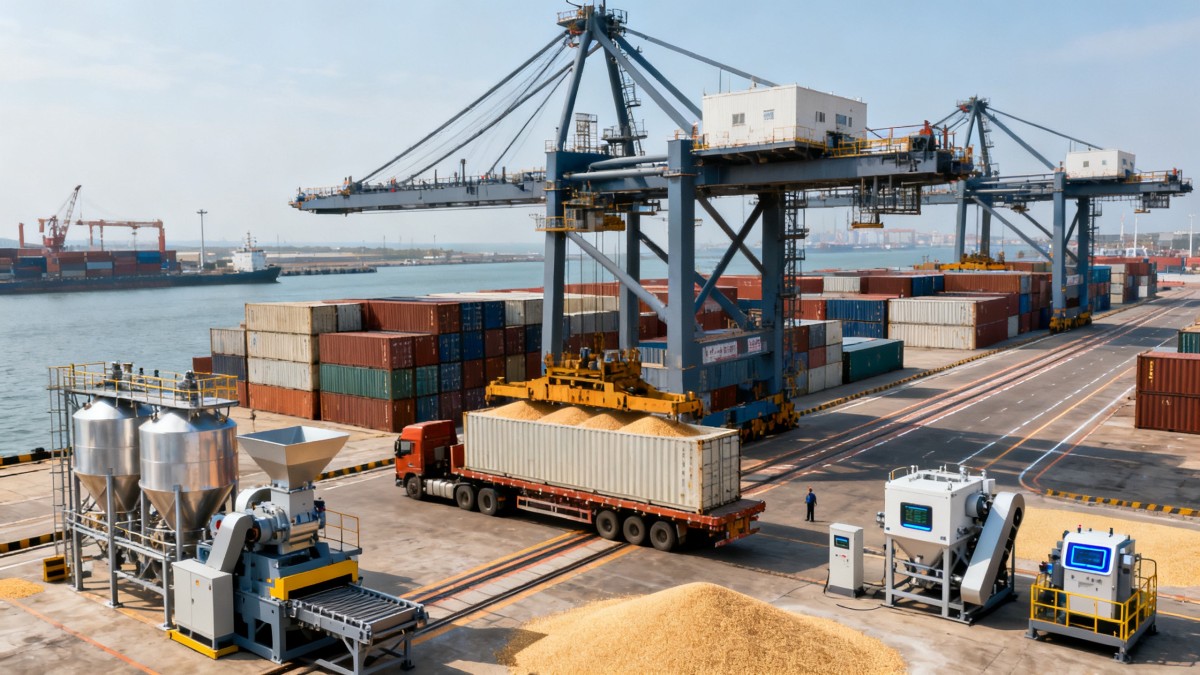
What the latest release confirmed
According to data released on June 1 by the China Federation of Logistics and Purchasing, China’s logistics prosperity index reached 50.3% in May, returning to expansion territory. The same release showed that container throughput at ports in central and western China increased by 12.7% from the previous month.
The information provided also indicates that export transport timeliness improved noticeably for several categories of large-scale equipment, including grain storage equipment, feed pellet machines, and intelligent environmental control systems. Based on the event summary, this change is expected to ease delivery bottlenecks during the third-quarter peak season for agricultural equipment shipments to South America and Africa.
Where the pressure may be easing along the chain
Export-oriented equipment makers may see fewer delivery bottlenecks
From an industry perspective, manufacturers of agricultural and feed-processing equipment are among the most directly affected groups. If transport timeliness continues to improve, the most visible impact would likely be in outbound scheduling, shipment coordination, and delivery commitments for overseas orders. What deserves closer attention is whether the improvement applies consistently across bulky and containerized equipment categories, especially for products with stricter installation or seasonal delivery windows.
Overseas buyers may gain more room for procurement planning
For buyers in South America and Africa, improved shipping efficiency matters mainly because many agricultural equipment purchases are tied to seasonal operating cycles. Analysis shows that better export transport conditions could reduce uncertainty in order timing, arrival planning, and project preparation. Even so, buyers still need to watch whether shorter transport times are sustained through the Q3 demand peak rather than appearing only in one monthly data point.
Logistics and supply chain service providers should watch route execution
Supply chain service providers, including freight coordinators and export logistics operators, may be affected through changes in booking rhythm, cargo concentration, and delivery coordination for oversized or equipment-related shipments. Observably, the rebound in the index and the rise in port container throughput suggest some operational relief. The practical question is whether this translates into smoother execution at the shipment level for equipment exports, particularly for time-sensitive deliveries.
What companies should monitor next
Track whether the improvement holds into Q3
Analysis shows that the current signal is most relevant because the event summary links it to possible relief for third-quarter delivery bottlenecks in South America and Africa. Companies should therefore focus on whether later official releases continue to show expansion in logistics activity and whether export transport timeliness for relevant equipment categories remains improved.
Review delivery promises for bulky equipment orders
For exporters of grain storage equipment, feed pellet machines, and intelligent environmental control systems, a practical focus is whether customer-facing delivery schedules should be updated. What deserves closer attention is not just faster transport in principle, but whether internal production, port dispatch, and shipping documentation can match the improved logistics rhythm.
Strengthen communication on shipment timing and documents
For cross-border equipment transactions, even a moderate improvement in logistics conditions does not remove the need for careful coordination. Companies may need to pay closer attention to shipment timing confirmations, export documentation readiness, and communication with buyers on revised lead times. This is especially relevant where delivery timing affects downstream installation or seasonal use.
Separate macro signals from order-level execution
Observably, a higher logistics prosperity index is a useful macro indicator, but it does not automatically guarantee smooth fulfillment for every exporter or route. Firms should distinguish between broad logistics sentiment and actual shipment performance for their own product lines, ports, and destination markets before making aggressive changes to sales or delivery commitments.
Why this reads as a useful signal, not a final conclusion
As an editorial observation, this update is more appropriately understood as a near-term improvement signal rather than proof that export delivery constraints have fully cleared. The return of the logistics index to expansion territory, together with stronger container throughput at central and western ports, points to a better operating backdrop for equipment exporters. At the same time, the wording provided in the event summary frames the impact on Q3 bottlenecks as a likelihood, not a settled outcome.
From an industry perspective, that distinction matters. Companies in agricultural machinery and related equipment segments should treat the development as supportive, but still subject to verification through subsequent logistics data and actual shipment performance in peak season.
How the market may best interpret this update
The main industry significance of this development lies in the possibility that export delivery pressure for large agricultural and feed-related equipment is easing at a critical time in the calendar. For manufacturers, exporters, and overseas buyers, the improvement may help with planning and execution if it continues into the third quarter. It is more appropriate to understand this event as an encouraging but still developing industry dynamic that warrants continued monitoring, rather than as a definitive shift in export logistics conditions.
Basis of this article and points for follow-up verification
This article is based on the user-provided news title, event date, and event summary. The analysis draws only from the stated information that the logistics prosperity index rose to 50.3% in May, that central and western port container throughput increased by 12.7% month on month, and that export transport timeliness improved for grain storage equipment, feed pellet machines, and intelligent environmental control systems, with possible implications for Q3 deliveries to South America and Africa.
For this type of industry update, relevant source categories typically include official releases, industry association disclosures, company announcements, authoritative media reports, and standard-setting or trade-related documents. A specific official source link was not provided in the input, so further verification remains necessary. Follow-up attention should focus on later official logistics releases, any updated wording on export transport conditions, and whether the reported easing in delivery pressure continues into the third-quarter shipping peak.
Related Intelligence
- Commercial Feed PelletFire Quickly Extinguished in Grinder Bin at Baiada’s Cardiff Feed Mill in AustraliaBaiada’s Cardiff feed mill fire was reportedly contained quickly. Explore grinder bin safety, restart uncertainties and key supply continuity checks for feed buyers.
- Commercial Feed PelletHow to Build a Sanitary Feed Production Plan That Reduces Cross-ContaminationSanitary feed production planning: reduce cross-contamination with smarter sequencing, validated flushing, material segregation, and traceable sanitation controls.
- Commercial Feed PelletFeed Pellet Mill Sourcing: How to Vet Suppliers for Capacity, Quality, and SupportFeed pellet mill sourcing made smarter: vet suppliers for proven capacity, pellet quality, lifecycle cost, factory controls, commissioning, and reliable after-sales support.
The Morning Broadsheet
Daily chemical briefings, market shifts, and peer-reviewed summaries delivered to your terminal.
