

The Authority in Global Agricultural Chemistry & Bio-Resources
Grain Silo Tenders Rise as Export Quotes Jump 8.2%
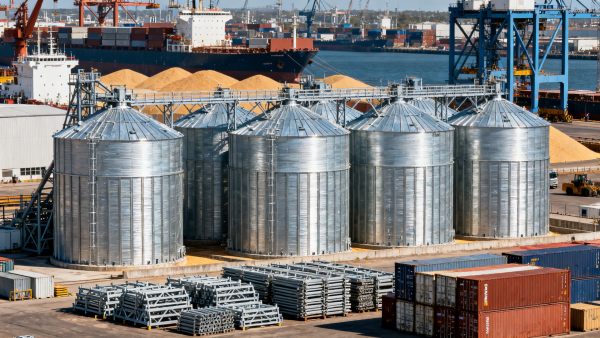
On June 10, 2026, the grain storage equipment market drew closer attention after new AgriTender data showed a concentration of international Grain Silos & Storage tenders across the Middle East, East Africa, and Central Asia during the third week of June. At the same time, Chinese suppliers raised mainstream export FOB quotations, while delivery times stretched further, making this development relevant not only for equipment manufacturers and exporters, but also for buyers, project planners, and logistics participants tracking pricing, lead time, and contract execution risk.
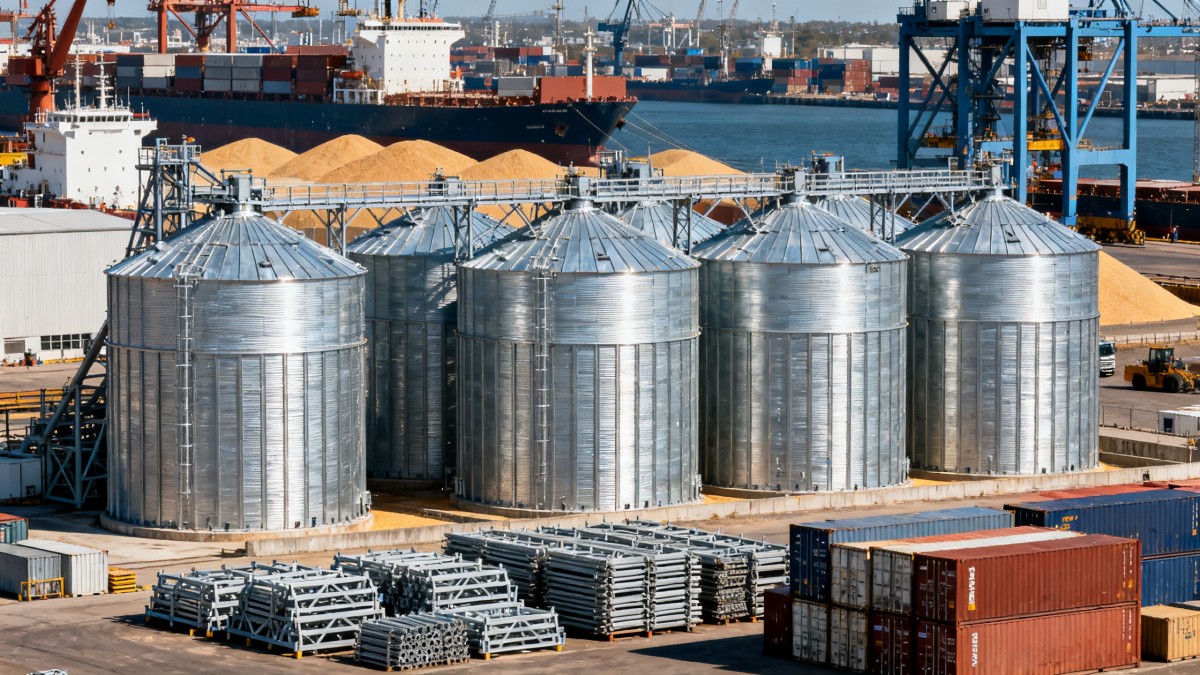
Tender Activity and Price Moves in the Same Week
According to the latest data from AgriTender, 27 international Grain Silos & Storage tender projects were released in the Middle East, East Africa, and Central Asia during June 10–16, 2026, with a total value of US$380 million.
During the same period, mainstream Chinese exporters increased FOB quotations by 8.2% week on week. Among the product categories mentioned, galvanized corrugated steel silos recorded the largest increase, up 11.4%.
The available summary also states that the price adjustment was linked to higher steel costs and tight ocean freight capacity. Delivery lead times were extended to 12–14 weeks.
Where the Pressure May Appear Across the Chain
Bid preparation is becoming more sensitive for project buyers
From an industry perspective, procurement-side participants may feel the impact first in budgeting and tender response timing. When tender releases increase in one week while export quotes rise and lead times lengthen, buyers may need to pay closer attention to quote validity, delivery commitments, and whether bid assumptions remain workable through the procurement cycle.
Exporters and manufacturers face a tighter pricing window
Analysis shows that Chinese suppliers of Grain Silos & Storage equipment may be affected most directly in quotation management and contract execution. The reported 8.2% week-on-week FOB increase, together with a 12–14 week delivery cycle, means the gap between offer issuance and actual shipment planning becomes more important, especially for categories such as galvanized corrugated steel silos where the quoted increase was steeper.
Logistics and delivery coordination deserve closer attention
Supply chain service providers and project coordinators may see pressure in shipment scheduling and delivery alignment. The summary explicitly links the market move to tight ocean freight capacity, so the practical impact may appear in booking arrangements, delivery sequencing, and communication around timetable changes rather than in price alone.
What Companies Should Watch Now
Check quotation validity against tender timing
Companies involved in bidding or export transactions should closely compare tender schedules with current quotation windows. With weekly price movement already visible, the key issue is whether commercial terms can remain stable long enough to support bid submission and award discussions.
Focus on product categories with sharper price shifts
What deserves closer attention is the larger increase reported for galvanized corrugated steel silos. For businesses active in this segment, product-specific pricing may matter more than looking only at the overall average change in export quotations.
Reassess promised delivery cycles in customer communication
Where contracts or tenders involve fixed completion milestones, the extension of lead times to 12–14 weeks should be reflected clearly in external communication and internal planning. This is particularly relevant for teams handling order confirmation, production scheduling, shipping coordination, and delivery documents.
Keep records and execution terms aligned
Observably, firms may also need to pay more attention to consistency across quotations, tender documents, delivery commitments, and transaction records. When pricing and freight conditions change within a short period, documentation discipline becomes more important for later execution and client coordination.
How This News Is Best Interpreted at This Stage
Analysis shows that this development should not be read only as a simple price increase. It reflects a simultaneous shift in three connected variables: tender activity, export pricing, and delivery timing. That combination matters because it can affect how projects are bid, negotiated, and scheduled.
At the same time, it is more appropriate to understand this as a market signal that still requires observation rather than as a fully settled long-term trend. The current information confirms a strong week of tenders and a concurrent rise in Chinese export quotes, but it does not by itself establish how long the price and lead-time pressure will last.
A Short-Term Move With Broader Planning Implications
For the industry, the immediate significance lies in the overlap between stronger tender issuance and more expensive, slower supply conditions. In practical terms, that makes timing, pricing discipline, and delivery coordination more important for all parties involved in Grain Silos & Storage projects.
A neutral reading is that this is currently best treated as a short-term market development with possible broader implications if the same pattern continues. The most reasonable approach is to watch whether tender momentum, export quotations, and shipping conditions keep moving in the same direction over the coming period.
Basis of This Article and Ongoing Verification
This article is based on the user-provided news title, event date, and event summary concerning Grain Silos & Storage tenders, export FOB quotations, and delivery lead times for the third week of June 2026.
For this type of industry update, source categories typically relevant to further verification may include official procurement notices, company announcements, industry association releases, authoritative media coverage, and standard-setting or trade-related documents. A specific official source link was not provided in the input, so further verification is still needed.
For continued observation, readers may track whether later tender releases, supplier quotations, freight conditions, and delivery schedules continue to show the same pattern described in the provided summary.
Related Intelligence
- Grain Silos & StorageIraqi Trade Minister Reviews Grain Silo Project at Bühler HeadquartersIraq grain silo project: Trade Minister Atheer Daoud reviews progress at Bühler headquarters. Explore how five planned silos could expand grain storage and support food security.
- Grain Silos & StorageGrain Silos vs. Flat Storage: Comparing Usable Capacity and Space NeedsExplore a category comparison by storage capacity for grain silos vs. flat storage. Compare usable tonnes, site space, and operating needs to choose the right system.
- Grain Silos & StorageHow Modular Feed and Grain Systems Support Scalable Storage and Processing ExpansionModular feed and grain systems enable smarter, scalable expansion across storage, conveying, processing, and loadout. Discover how to eliminate bottlenecks, protect future capacity, and keep operations moving.
The Morning Broadsheet
Daily chemical briefings, market shifts, and peer-reviewed summaries delivered to your terminal.
