

The Authority in Global Agricultural Chemistry & Bio-Resources
China Customs Tightens Agrochemical Export Checks
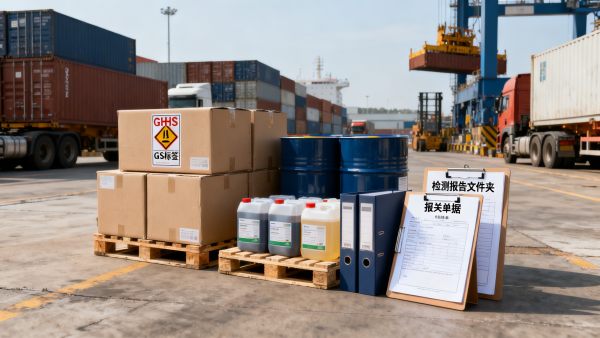
From June 1, 2026, China Customs begins random inspections on certain imports and exports outside statutory inspection coverage, including agrochemicals such as technical materials, formulations, and intermediates. For exporters, traders, compliance teams, and logistics providers, the immediate issue is not only a new inspection trigger but also a stricter document threshold at clearance, with potential shipment delays and port-side follow-up checks becoming a practical business concern.
What the new customs requirement confirms
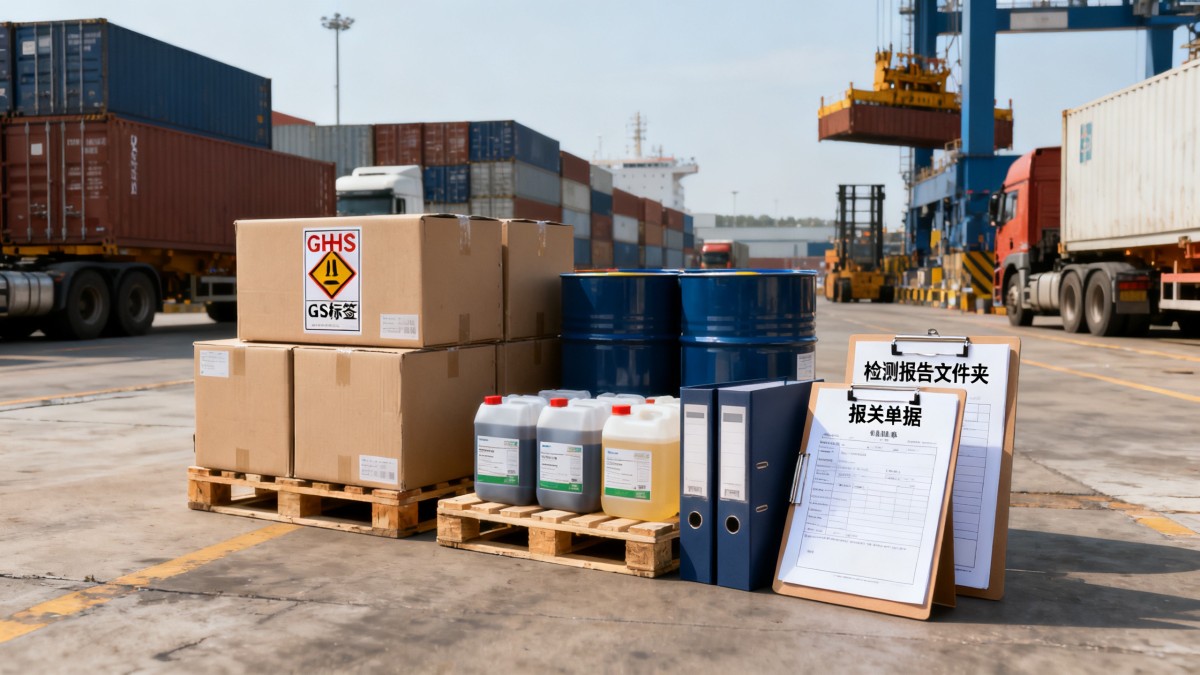
According to the provided information, General Administration of Customs Announcement No. 57 takes effect on June 1, 2026 and introduces random inspection checks for import and export goods outside the scope of statutory inspection, including agrochemical products.
The products specifically mentioned include pesticide technicals, formulations, and intermediates. Companies are required to provide a GHS label, OECD GLP test report, proof of EPA/FDA registration status, and a complete ingredient declaration during customs clearance.
If products do not meet the requirements, they may face return shipment or additional inspection at the port. The average customs clearance cycle may be extended by 5 to 7 working days.
Where the pressure is likely to appear first
Export operations face a higher document-readiness threshold
From an industry perspective, direct trading companies are likely to feel the impact first because the new arrangement directly affects whether a shipment can move smoothly through customs. The main pressure point is document completeness and consistency at the time of declaration, especially for shipments involving multiple product forms or markets.
Manufacturers may see compliance preparation move closer to shipment scheduling
For processing and manufacturing enterprises, the likely impact is less about production itself and more about how product files are assembled before export. What deserves closer attention is whether labels, test reports, registration-related proof, and ingredient disclosures can be aligned with shipment timing to avoid port-side disruption.
Supply chain and customs service providers may need to adjust delivery expectations
For freight forwarders, customs brokers, and other supply chain service providers, the change may show up in planning and communication. If random checks become a practical factor in agrochemical clearance, delivery schedules, booking coordination, and client notice periods may need to reflect the stated risk of an added 5 to 7 working days.
Overseas buyers may pay closer attention to file completeness before shipment
For procurement parties and downstream customers, the issue is not only the shipment date but also whether the exporter has prepared the required compliance package in advance. Observably, document readiness may become part of pre-shipment communication rather than something handled only at the customs stage.
What companies should watch now
Focus on whether supporting files are complete as a set
Analysis shows the requirement is not limited to one form of proof. Companies should pay attention to whether the GHS label, OECD GLP test report, EPA/FDA registration status proof, and complete ingredient declaration are all available together and can support the same shipment record.
Separate policy wording from actual shipment execution
What deserves closer attention is the gap between the rule as stated and the realities of shipment handling. Even where a company already holds some compliance materials, the practical question is whether those materials are organized in a way that can support customs review without creating inconsistencies during random inspection.
Review lead times in contracts and internal planning
Because the provided information states that non-compliant goods may be returned or subject to additional inspection and that clearance may be extended by 5 to 7 working days, businesses should closely watch delivery promises, dispatch windows, and internal approval timing for affected agrochemical exports.
Keep monitoring any follow-up clarification
Analysis shows this development should also be tracked for any further official clarification on execution details, product scope, or documentation expectations. For now, companies should treat document preparation and shipment communication as the most immediate operational priorities.
Why this matters beyond a single clearance step
Observably, this update is not just about an extra customs procedure. It signals that for agrochemical trade, compliance files are becoming more closely tied to border execution rather than remaining only a regulatory background requirement. That does not by itself prove a wider structural shift, but it does suggest that document discipline at export may carry more day-to-day operational weight than before.
It is more appropriate to understand this as a concrete short-term operational change with possible longer-term signaling value. The confirmed facts already point to documentation, inspection risk, and clearance timing as immediate concerns, while the broader direction still requires continued observation.
How the industry may best read this update
At this stage, the most neutral reading is that China Customs has introduced a stricter inspection and documentation checkpoint for certain agrochemical exports from June 1, 2026. The direct significance lies in execution risk: missing or inconsistent files may now have a clearer effect on port handling and delivery timing.
From an industry perspective, this is better understood as an actionable compliance and supply-chain issue rather than a standalone headline event. The most important near-term takeaway is not speculation about wider outcomes, but the need to watch how random inspection and full-document requirements affect real shipment workflows.
Basis of this article and points for follow-up
This article is based on the user-provided news title, event date, and event summary. The specific official source link was not provided in the input, so continued verification against relevant official notices remains necessary.
For this type of industry update, source types commonly worth checking include official customs announcements, company disclosures, industry association updates, authoritative media coverage, and relevant standard or compliance documents. The main follow-up point is whether further official clarification emerges on implementation details, documentation practice, and the handling of affected agrochemical categories.
Related Intelligence
- AgrochemicalsChina’s Phosphate Fertilizer Exports Near Zero, Tightening Global SupplyChina’s phosphate fertilizer exports near zero in 2026 as sulfur shortages tighten global supply. Explore the risks for importers, prices and sourcing strategies.
- AgrochemicalsWhat Are the Main Risks of Non-Transparent Agricultural Supply Chains?what are the main risks of non transparent agri supply chains? Explore traceability, compliance, contamination, disruption, and cost risks—plus practical controls.
- AgrochemicalsGrain Production: Key Practices for Improving Yield While Protecting Soil HealthGrain production strategies to improve yield, protect soil health, manage nutrients, reduce compaction, and build resilient fields for lasting results.
The Morning Broadsheet
Daily chemical briefings, market shifts, and peer-reviewed summaries delivered to your terminal.
