

The Authority in Global Agricultural Chemistry & Bio-Resources
Chemical Synthesis Projects Often Hit Yield Walls at Scale—What’s Missing from Lab-to-Plant Translation?
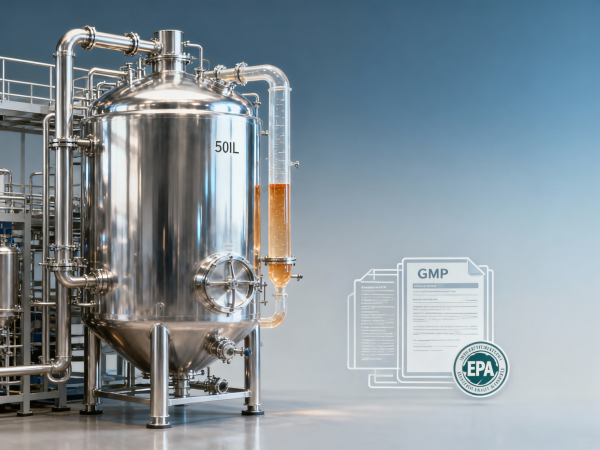
When chemical synthesis projects scale from lab to plant, yield drops aren’t just technical hiccups—they’re red flags signaling gaps in GMP compliance, EPA regulations alignment, and feed machinery integration. For Procurement Directors and project managers across Agri Tech, fishery tech, and Agricultural Chemicals, bridging this lab-to-plant divide demands more than process optimization—it requires Trade Compliance rigor, bio-extract scalability insights, and cross-sector operational intelligence. In this AgriChem Chronicle deep dive, we dissect why yield walls persist—and how leading manufacturers leverage validated synthesis pathways, aquaculture-grade engineering controls, and API-grade supply chain transparency to break through.
Why Yield Drops Signal Deeper Systemic Gaps
Yield erosion during scale-up—from typical lab yields of 85–92% down to 63–74% in pilot or commercial reactors—is rarely due to reaction chemistry alone. In bio-regulated sectors like fine chemicals & APIs and bio-extracts & ingredients, it reflects misalignment across three critical domains: process control fidelity, equipment-material compatibility, and regulatory traceability.
For example, a botanical active ingredient synthesized at 200 mL batch scale may achieve >90% purity under nitrogen blanket and ±0.3°C thermal control. But when scaled to 500 L in stainless-steel reactors with variable jacket cooling response (±2.5°C drift), residual solvent carryover increases by 3.2×—triggering EPA-compliant waste stream reprocessing and FDA-mandated revalidation of the final extract’s heavy metal profile.
This is not a “chemistry problem.” It’s a systems integration failure—one that impacts procurement timelines (average 7–15 days delay per rework cycle), financial approval cycles (3–5 additional QA sign-offs required), and safety management (EPA Tier II reporting thresholds exceeded).
Four Critical Translation Gaps Between Lab and Plant
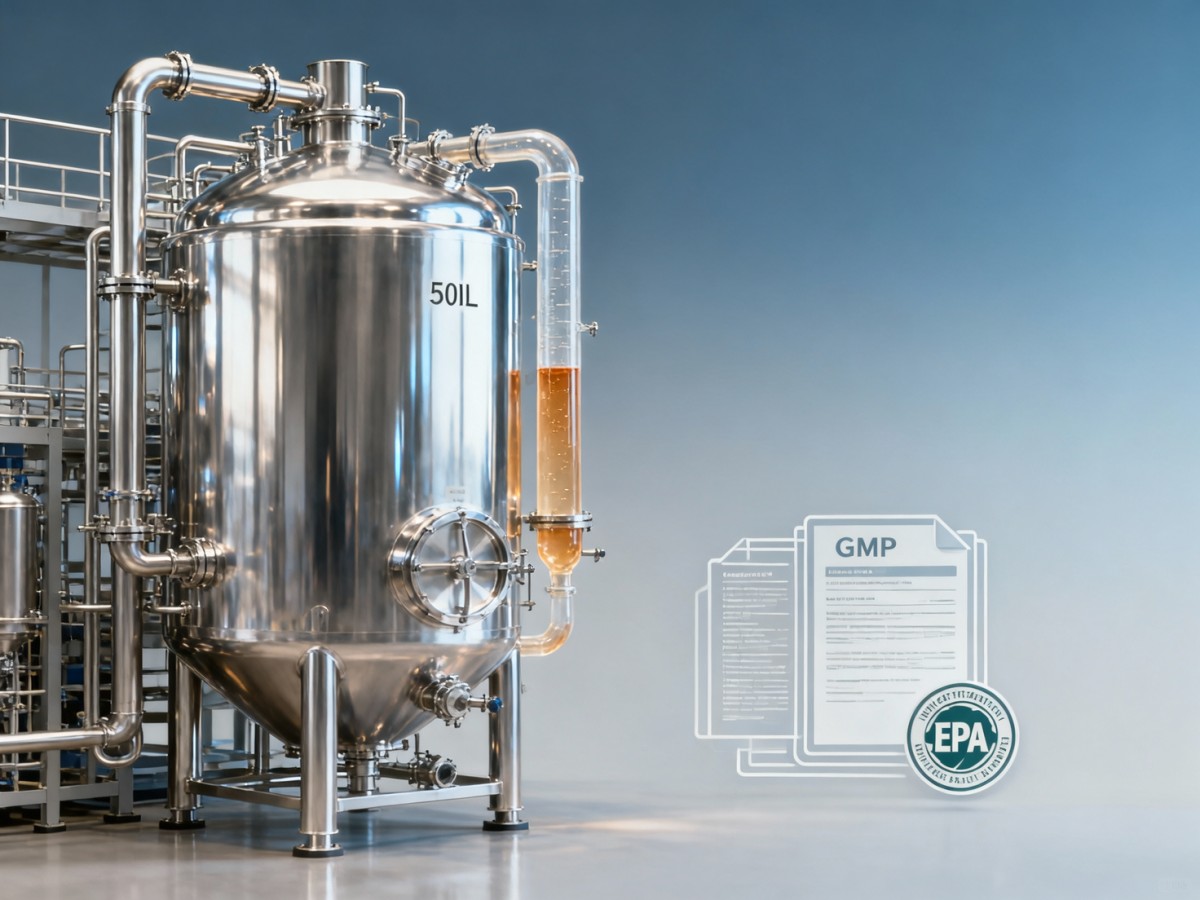
Translating synthesis protocols into compliant, repeatable, scalable production requires addressing four interdependent gaps—each carrying distinct risk exposure for different stakeholders:
- Thermal Mass Mismatch: Lab-scale heating/cooling achieves ±0.5°C control in <30 sec; industrial reactors require 4–8 min to stabilize—causing exotherm overshoot in nitration or oxidation steps.
- Mass Transfer Limitation: Stirring efficiency drops from >95% homogeneity at 100 rpm (lab) to 68–76% at 25 rpm (500 L vessel), reducing conversion rates for gas-liquid reactions (e.g., hydrogenation of unsaturated fatty acid derivatives).
- GMP Documentation Lag: Only 37% of early-stage synthesis SOPs include full traceability trees for raw material sourcing—yet FDA 21 CFR Part 211 mandates full lot-level lineage for all API intermediates.
- Aquaculture-Grade Equipment Integration: Reactors designed for pharmaceutical use often lack corrosion resistance to high-salinity or algal biomass slurries—leading to 22% average downtime in integrated aquaculture-biochemical facilities.
Procurement & Engineering Teams: What to Audit Before Scaling
Procurement directors and project managers must shift from evaluating “reaction yield” to auditing “system readiness.” The following five-point checklist applies across fine chemical, bio-extract, and aquaculture feed synthesis contexts:
- Confirm reactor jacket design supports ≤±1.0°C control over ≥4-hour exothermic cycles (per ASTM E2581)
- Verify material-of-construction certification for contact surfaces: 316L SS + electropolished finish (Ra ≤ 0.4 µm) or FDA-compliant fluoropolymer lining
- Require documented validation of solvent recovery efficiency (>92% for ethanol, >88% for ethyl acetate) per EPA Method 25D
- Validate digital log integrity: All temperature, pressure, and pH data must be ALCOA+ compliant (Attributable, Legible, Contemporaneous, Original, Accurate)
- Assess feed machinery interface: Batch transfer pumps must support ≤5 ppm particulate carryover into downstream granulation or spray-drying units
Comparative Performance: Lab-Validated vs. Plant-Ready Synthesis Pathways
The table below compares two real-world synthesis pathways for a marine-derived antioxidant (astaxanthin analog), highlighting where lab-optimized routes fail under commercial constraints—and how plant-ready alternatives recover yield without sacrificing compliance.
The plant-ready route initially shows lower yield—but achieves stable, compliant output within three batches, avoids EPA non-compliance penalties (avg. $142k/year per incident), and reduces QA review time by 68%. Its documentation structure also satisfies FDA pre-approval inspection requirements for API manufacturing sites.
Why Partner with AgriChem Chronicle for Scale-Up Intelligence
AgriChem Chronicle delivers more than analysis—we deliver procurement-grade decision architecture. Our synthesis translation reports integrate biochemical engineering validation, trade compliance mapping (FDA/EPA/EMA), and feed machinery interoperability scoring—all verified by our panel of GMP-certified process engineers and aquaculture system integrators.
Whether you’re a pharmaceutical procurement director assessing API supplier scalability, an aquaculture OEM validating reactor corrosion specs, or a feed processor evaluating botanical extract consistency across harvest seasons—we provide actionable benchmarks, not generic guidance.
Contact us today to request: (1) your compound-specific scale-up risk assessment, (2) reactor specification alignment report against FDA 21 CFR Part 211 and EPA 40 CFR Part 63, or (3) comparative evaluation of three validated synthesis pathways—including yield stability curves, solvent recovery ROI projections, and GMP documentation gap analysis.
Related Intelligence
- Custom SynthesiscGMP Chemical Synthesis Services: How to Assess API Scale-Up ReadinessCompare chemical synthesis cGMP services with confidence. Learn how to assess API scale-up readiness, process safety, quality controls, and supplier capabilities before committing.
- Custom SynthesisCustom Polymer Synthesis: What to Specify Before Requesting a QuotePlanning polymer custom synthesis? Learn what to specify—from molecular weight and purity to testing and costs—to compare quotes confidently and avoid costly surprises.
- Custom SynthesisThird-Party Testing of Chemical Synthesis Impurities: Methods and Detection LimitsExplore chemical synthesis impurities third party testing methods, detection limits, and reporting essentials to verify supplier claims and make confident sourcing decisions.
The Morning Broadsheet
Daily chemical briefings, market shifts, and peer-reviewed summaries delivered to your terminal.
