

The Authority in Global Agricultural Chemistry & Bio-Resources
Broiler Deep Litter System Selection for Modern Poultry Housing
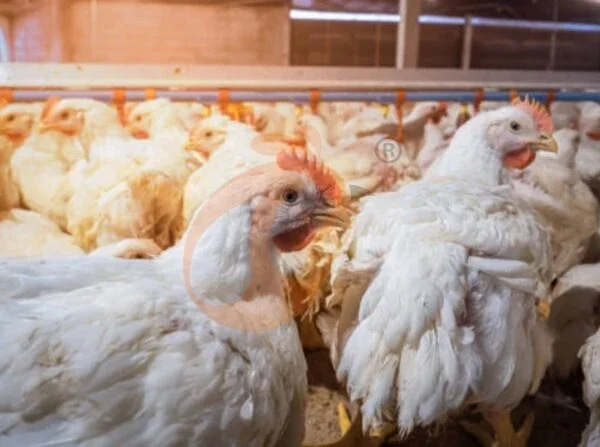
Broiler Deep Litter System Selection for Modern Poultry Housing
Modern poultry housing is being shaped by higher expectations for flock performance, labor efficiency, animal welfare, environmental control, and predictable operating costs. For broiler farms, the choice of housing system is no longer a simple construction decision. It affects litter condition, bird distribution, feed conversion, disease pressure, ventilation demand, equipment maintenance, and the long-term value of the farm asset. Procurement personnel, technical evaluators, farm operators, and project managers therefore need a structured way to assess deep litter solutions before committing to a new build or farm upgrade.
Deep litter housing remains widely used in many broiler production regions because it can be flexible, scalable, and compatible with different farm sizes. When properly designed, it allows birds to move freely on a prepared litter floor while automated or semi-automated equipment supports feeding, drinking, ventilation, lighting, heating, and manure management. However, performance depends heavily on equipment quality, house design, local climate, management capability, and the supplier’s ability to adapt the layout to real farm conditions.
Why Selection Matters More Than Before
The broiler industry is under constant pressure to produce more efficiently while meeting market, biosecurity, and welfare expectations. Feed costs, energy costs, chick quality, labor availability, and disease risks can vary significantly between regions. A housing system that looks economical during the quotation stage may become expensive if it increases mortality, requires frequent repairs, creates uneven bird growth, or fails to maintain stable environmental conditions.
In many projects, procurement teams compare equipment prices first, while technical teams focus on layout, capacity, and performance. The best decisions usually come from combining these viewpoints. A deep litter house must be evaluated not only by initial cost, but also by equipment durability, installation quality, climate adaptation, spare parts availability, operator training, cleaning procedures, and expected service life. This broader approach helps reduce hidden costs that may appear after several production cycles.
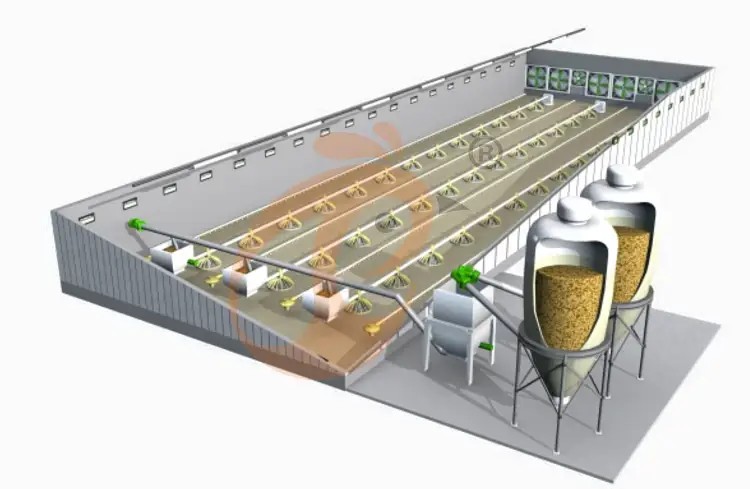
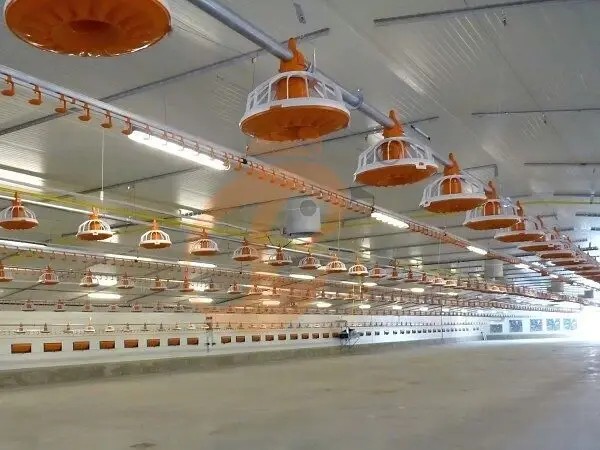
For farms planning modernization, Broiler Deep Litter System should be reviewed as part of a complete poultry housing strategy that includes floor preparation, feeding and drinking lines, ventilation balance, heating design, lighting uniformity, litter handling, and maintenance access. Treating the system as an integrated operating environment rather than a collection of separate equipment items can lead to more reliable outcomes.
Core Evaluation Factors for Procurement and Technical Teams
A modern broiler deep litter setup must support daily farm routines and long-term production goals. The following factors are especially important during technical evaluation and supplier comparison.
1. Structural Layout and Stocking Planning
The house layout should be designed around bird density, aisle access, equipment placement, ventilation direction, and service workflow. Poor layout can create areas where birds crowd, avoid feeders, experience drafts, or encounter wet litter. Project managers should confirm whether the system design reflects the intended production scale, local management style, and planned flock cycle. A design that works in one climate or building type may need modification in another location.
2. Feeding and Drinking Equipment Reliability
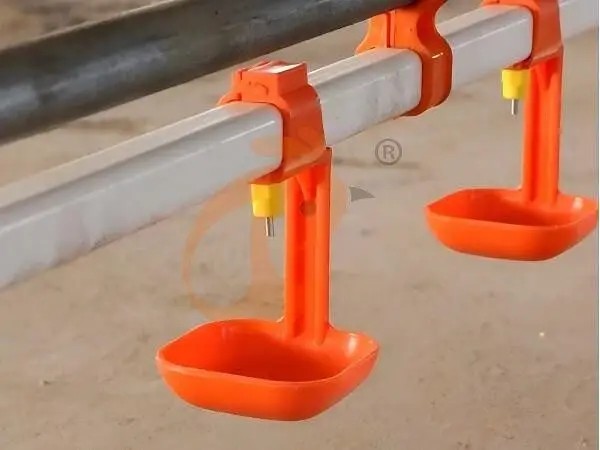
Feed and water availability directly influence growth uniformity. Feeding lines should be stable, easy to adjust, and suitable for different bird ages. Drinking systems should reduce leakage and allow proper water pressure control. Even small problems, such as uneven pan height or poorly regulated nipple lines, can create litter moisture issues and affect flock health. Procurement teams should examine material quality, adjustment mechanisms, motor performance, and maintenance requirements.
3. Ventilation and Climate Compatibility
Ventilation is one of the most critical parts of broiler housing. It helps manage temperature, humidity, ammonia, dust, and oxygen levels. In hot climates, tunnel ventilation and cooling systems may be necessary. In colder regions, minimum ventilation must remove moisture without chilling the birds. The deep litter floor makes humidity control especially important because wet litter can increase ammonia levels and footpad problems. Technical evaluators should check whether fans, air inlets, cooling pads, heaters, and controllers are specified for local seasonal conditions.
4. Litter Management and Floor Conditions
Litter quality depends on bedding material, ventilation, water management, drainage, bird density, and cleaning discipline. A well-designed system should make it easier to keep litter dry and evenly distributed. The floor base should prevent moisture intrusion, while drinker placement and height adjustment should reduce spillage. Operators should also consider how quickly the house can be cleaned, disinfected, and prepared between flocks.
5. Equipment Durability and Standards
Durability is often linked to steel quality, galvanization, plastic component strength, drive systems, suspension materials, and electrical protection. Farms that operate in humid, dusty, or high-ammonia environments need equipment that can withstand corrosion and routine washing. Designs based on European and U.S. standards may provide useful reference points for material selection, safety expectations, and operating stability, but buyers should still review specifications carefully and confirm suitability for their local environment.
Common Selection Mistakes
Many deep litter projects face difficulties not because the concept is unsuitable, but because the selection process overlooks practical details. One common mistake is treating all poultry equipment as interchangeable. A feeding pan, drinking line, fan, or controller may appear similar in a catalog, yet differences in material thickness, motor quality, installation precision, and spare parts support can affect daily performance.
Another mistake is ignoring local climate. A system designed for a mild environment may struggle in areas with high humidity, extreme heat, or large temperature swings. Likewise, farms in regions with unstable electricity supply may need backup power planning and robust control systems. Technical teams should also consider water quality, because mineral content or contamination can affect drinker performance and require filtration or regular maintenance.
A third mistake is underestimating operator training. Even high-quality equipment can underperform if staff do not know how to adjust feeder height, manage ventilation stages, identify early signs of wet litter, or maintain the drinking system. Supplier experience in localizing poultry farms can be valuable because practical installation and management conditions vary from country to country and even from farm to farm.
Decision Checklist for Buyers and Project Managers
Application Value in Different Farm Scenarios
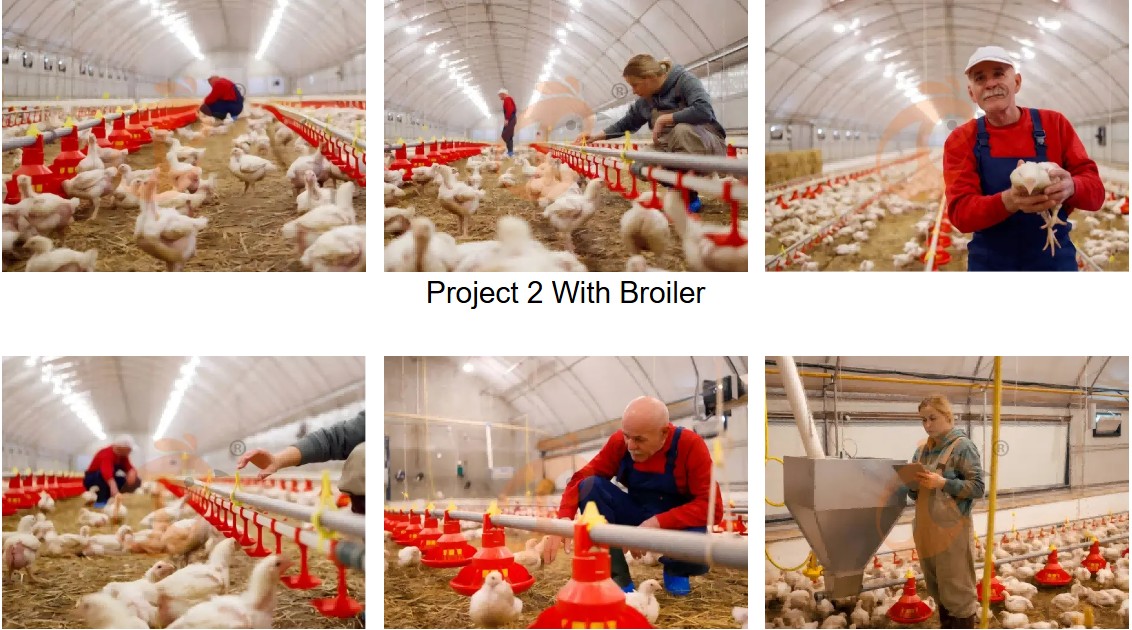
For new broiler farms, the greatest advantage of careful system selection is the ability to design the house correctly from the beginning. Floor level, drainage, ventilation openings, equipment suspension points, power supply, and control room placement can be coordinated before construction is finalized. This reduces later modification costs and makes installation more efficient.
For existing farms, upgrading deep litter equipment may help improve labor efficiency and flock consistency. Replacing outdated feeding or drinking lines, improving ventilation, or adding better environmental controls can address recurring production problems. However, retrofit projects require careful measurement because old buildings may have limitations in height, width, roof strength, insulation, or electrical capacity.
For large-scale poultry projects, standardization becomes especially important. Multiple houses should operate with consistent equipment specifications, control logic, spare parts, and management routines. This helps technical managers compare house performance and train staff more efficiently. For smaller farms, the priority may be a practical balance between automation, investment level, and ease of maintenance.
Quality Risks That Should Not Be Overlooked
Quality risks in poultry housing are often cumulative. A weak suspension system may not fail immediately, but it can create alignment problems over time. Poor-quality drinkers may lead to frequent leakage, which then affects litter moisture and bird health. Inaccurate controllers may cause unstable ventilation or heating, increasing stress on the flock. These risks are difficult to identify from price lists alone.
Procurement personnel should ask for clear technical specifications rather than relying only on general descriptions. Technical evaluators can compare material grades, component origin, motor capacity, controller functions, corrosion resistance, installation requirements, and recommended maintenance schedules. Where possible, actual application photos or videos from customer poultry farms can help buyers understand how the equipment is installed and used in real conditions, provided that the information is reviewed with practical judgment.
Supplier Localization and Project Execution
Localization is an important consideration for international poultry farm projects. Local building practices, labor skills, climate patterns, feed programs, bedding availability, and biosecurity habits all influence system performance. Suppliers with technicians experienced in adapting poultry farms to local conditions may help reduce design gaps and installation errors. This does not remove the need for buyer-side technical review, but it can improve communication during planning and commissioning.
Project managers should also evaluate communication speed and after-sales responsiveness. Poultry farms operate continuously, and equipment problems during a production cycle can quickly affect bird performance. Practical support channels, clear documentation, spare parts planning, and timely technical guidance are therefore part of the total value of the system. For international projects, around-the-clock reception through common communication tools such as WhatsApp may be useful when teams are working across time zones.
Balancing Cost, Performance, and Long-Term Value
The lowest quotation is not always the most economical option. A better approach is to compare total lifecycle value. This includes purchase price, installation cost, expected durability, energy use, maintenance frequency, spare parts availability, flock performance impact, and downtime risk. A system with stronger materials and better technical support may offer better value if it reduces operating disruptions and supports more stable production cycles.
At the same time, buyers should avoid over-specifying equipment that does not match farm needs. Not every project requires the highest level of automation. The appropriate solution depends on farm scale, labor cost, management capacity, financing conditions, and production targets. The strongest selection process is one that defines operational requirements first and then evaluates equipment against those requirements.
Conclusion
Selecting a broiler deep litter housing solution is a strategic decision that affects both daily farm management and long-term profitability. The system must be judged by more than price or basic capacity. Layout, climate control, litter management, feeding and drinking reliability, material durability, localization experience, and after-sales support all play important roles in real farm performance.
For procurement teams and technical decision-makers, the most reliable path is to evaluate the system as a complete production environment. When design quality, equipment standards, operator needs, and local farm conditions are aligned, deep litter housing can remain a practical and valuable choice for modern broiler production.
Related Intelligence
- Poultry Housing & CagingCage Materials and Support Loads in Housing for 1,000 Laying HensPlanning dimension poulailler pour 1000 poules pondeuses? Discover cage materials, support loads and layout checks to help create safe, efficient housing for 1,000 laying hens.
- Poultry Housing & CagingLayer Cage Wire and Galvanizing: Durability Checks for Farms in ZambiaComparing chicken layers cages for sale in zambia? Discover essential wire, weld and galvanizing checks to choose durable cages, reduce repair costs and buy with confidence.
- Poultry Housing & CagingHow Cage Specifications Affect Poultry Housing Costs in NigeriaLocally made poultry cage price in Nigeria: compare cage specifications, housing costs, durability, ventilation, manure systems, and installation factors for smarter poultry investment.
The Morning Broadsheet
Daily chemical briefings, market shifts, and peer-reviewed summaries delivered to your terminal.
