
Jiahua Shares Plunge as Soy Protein Exports Face Pressure, Plant-Based Chemicals Shift to Specialization
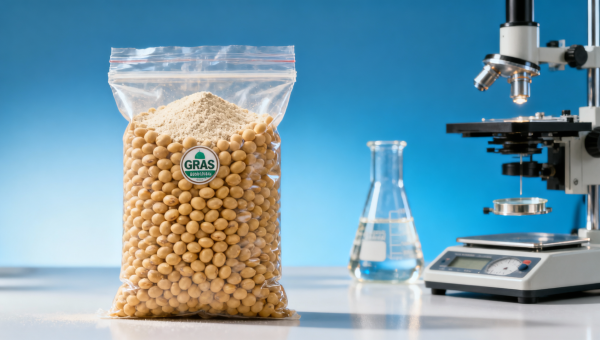
On April 10, 2026, Jiahua Shares (603182.SH) experienced a跌停 (daily limit down), reflecting growing caution among overseas buyers toward plant-based protein原料 procurement. This trend, compounded by the EU's proposed new labeling regulations for high-protein foods, signals a broader shift in the global plant-based chemicals market—from volume-driven growth to quality control and functional specialization. Industries reliant on大豆分离蛋白 (soy protein isolate),豌豆肽 (pea peptides), and发酵氨基酸 (fermented amino acids) should monitor this development closely, as it underscores the need for enhanced certifications and flexible production capabilities.
Event Overview
On April 10, 2026, Jiahua Shares (603182.SH) hit the跌停 limit, primarily due to overseas clients adopting a more cautious approach to purchasing plant-based protein原料. Concurrently, the EU is drafting new labeling rules for high-protein food products. These factors highlight a market transition where demand for plant-based chemicals is shifting from bulk purchases to specialized, quality-focused applications.
Impacted Sub-Sectors
Direct Trade Enterprises
Exporters of soy protein isolate and other plant-based chemicals face immediate pressure as订单 volumes decline. The EU's stricter labeling requirements may further complicate market access, necessitating rapid adjustments to compliance strategies.
Raw Material Procurement Firms
Companies sourcing plant-based ingredients must now prioritize suppliers with GRAS (Generally Recognized as Safe) or EU Novel Food certifications. The emphasis on quality over quantity could disrupt traditional procurement models.
Processing and Manufacturing
Manufacturers must adapt to smaller, customized订单 batches. The shift toward functional specialization (e.g., sports nutrition or medical-grade amino acids) demands greater R&D investment and agile production lines.
Supply Chain Services
Logistics and仓储 providers should anticipate fluctuations in shipment sizes and frequencies. The trend toward精细化 (refinement) may also require upgraded cold-chain or specialized handling for high-value functional ingredients.
Key Focus Areas and Responses
Certification Preparedness
Firms should accelerate GRAS/EU Novel Food认证储备 to maintain market access. Delays could result in lost contracts to competitors with pre-approved ingredients.
Customization Capabilities
Invest in small-batch production technologies to meet niche demands. For example, fermentation-based amino acids for clinical nutrition may command higher margins than bulk commodities.
Regulatory Monitoring
Track the EU's labeling rule进展 closely. Early compliance can serve as a competitive advantage, particularly for SMEs lacking lobbying resources.
Supply Chain Flexibility
Reevaluate库存 strategies to accommodate smaller, more frequent订单. Partnerships with agile third-party logistics providers (3PLs) may mitigate risks.
Editorial Perspective
分析来看, this event is less about a single company's performance and more indicative of structural changes in the plant-based chemicals sector. The EU's regulatory moves suggest a long-term focus on consumer safety and transparency, which will likely spread to other markets. While the跌停 is a immediate reaction, the underlying shift toward specialization presents both challenges and opportunities for firms that can pivot swiftly.
Conclusion
The Jiahua Shares incident underscores a pivotal moment for plant-based chemical exporters. Rather than viewing it as a temporary setback,行业 stakeholders should treat it as a catalyst for upgrading认证储备, production flexibility, and regulatory agility. The era of commoditized plant proteins is giving way to a demand for precision-engineered solutions.
Sources
1. Jiahua Shares (603182.SH) stock exchange filing (April 10, 2026)
2. EU Commission draft proposal on high-protein food labeling (Q1 2026, pending ratification)
3. Industry reports on plant-based chemical demand trends (2025-2026)
Related Intelligence
- Food Grade EnzymesJiahua Shares Plunge as Soy Protein Exports Face Pressure, Plant-Based Chemicals Shift to SpecializationJiahua Shares plunge as soy protein exports face pressure amid EU labeling rules. Discover how plant-based chemicals shift to specialization, impacting trade, procurement & manufacturing. Key insights for industry adaptation.
- Food Grade EnzymesEU to Upgrade ISCC Certification Requirements, Mandating Farm-Level Carbon Data from 2026EU's ISCC certification upgrade mandates farm-level carbon data from 2026, impacting biodiesel, feed & oil exporters. Prepare now for compliance to avoid EU shipment delays.
- Food Grade EnzymesAgri processing equipment designed for bio-extract integration—not retrofittedAgri processing equipment engineered for Bio-Extracts integration—no retrofits. Precision milling, Feed Production & Aquaculture Feed systems with GMP-compliant Manufacturing Capabilities.
The Morning Broadsheet
Daily chemical briefings, market shifts, and peer-reviewed summaries delivered to your terminal.
