
COSCO SHIPPING Energy Plunges 5.16% as Rising Freight Costs Hit Chemical Exporters
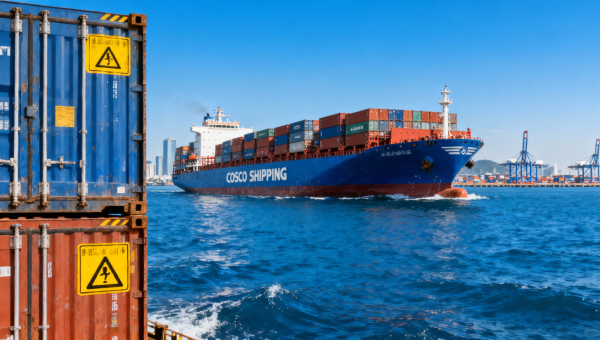
On April 10, 2026, COSCO SHIPPING Energy Transportation (601919.SH) saw its shares drop 5.16%, reflecting market concerns over surging Asia-Europe freight rates. The Drewry Container Freight Index reported an 18.3% weekly increase for Shanghai-Rotterdam routes in early April, compounded by Suez Canal risk premiums. Liquid chemical tank container bookings now require 12–15 days lead time, forcing exporters to renegotiate logistics costs and delivery schedules with overseas buyers. This development warrants attention from chemical manufacturers, logistics providers, and procurement teams managing global supply chains.
Event Overview
Confirmed data shows COSCO SHIPPING Energy's stock decline coincided with Drewry's April freight rate update. Key verified facts include:
- 18.3% week-on-week freight increase for Shanghai-Rotterdam container shipments
- 12–15 day booking lead times for liquid chemical tank containers
- Market attribution to Suez Canal risk premiums and capacity constraints
Impacted Sub-Sectors
Chemical Exporters
Specialty chemical producers face compressed margins as surcharges for hazardous material transport outpace contractual freight agreements. Time-sensitive shipments (e.g., perishable intermediates) require buffer stocks to accommodate extended transit times.
Procurement Teams
Importers of chemical raw materials must reassess just-in-time inventory models. The 15-day booking window disrupts traditional 30–45 day procurement cycles, potentially triggering force majeure clauses.
Logistics Providers
Third-party logistics firms managing tank container fleets encounter equipment imbalance issues. Rising demand for eastbound empty container repositioning may trigger additional per-diem charges.
Actionable Recommendations
Prioritize Contract Renegotiations
Exporters should initiate freight adjustment clauses with buyers before Q2 contracts take effect. Historical data shows 18%+ rate hikes typically sustain for 6–8 weeks.
Diversify Booking Channels
Chemical shippers are advised to secure space through multiple NVOCCs rather than relying solely on carrier allocations. Spot market premiums currently average 23% above MQC rates.
Advance Hazardous Cargo Documentation
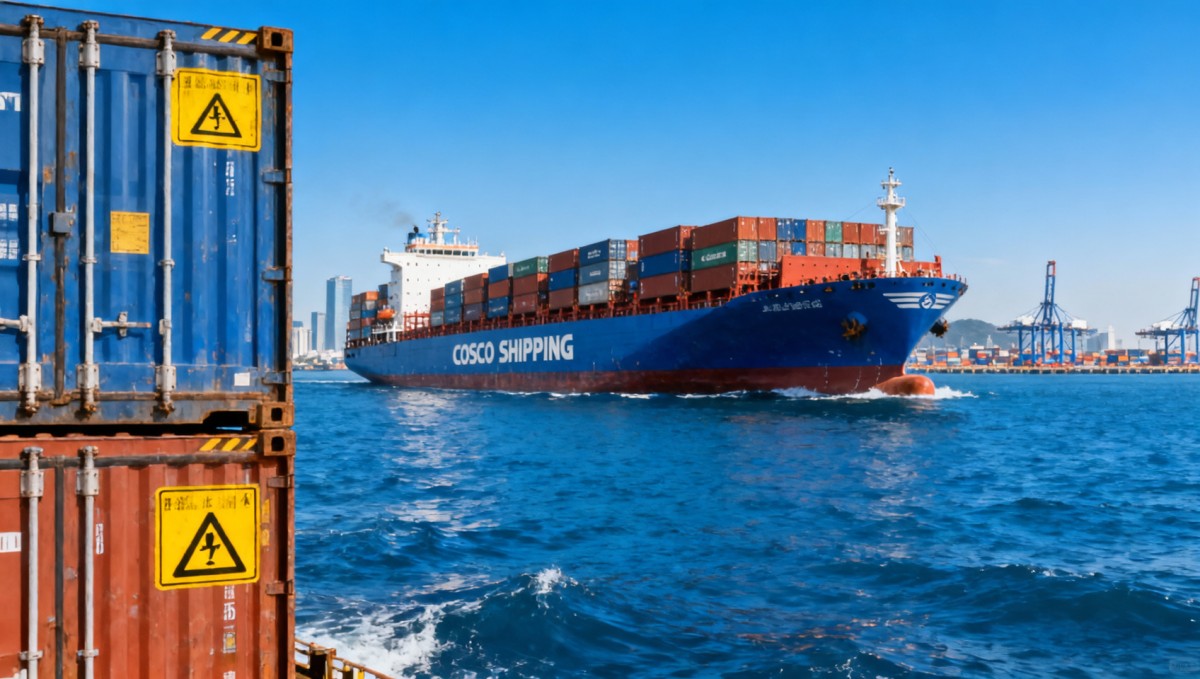
Pre-submit IMDG certifications and emergency protocols to avoid port clearance delays during peak booking periods.
Industry Perspective
Analysis suggests this freight spike differs from 2021–22 disruptions. Unlike pandemic-era port congestion, current pressures stem from:
- Geopolitical risk repricing in maritime insurance
- Chemical tank container shortages in key transshipment hubs
- Carrier capacity reallocation to more profitable dry bulk routes
While not yet a structural shift, the Drewry data indicates carriers successfully implementing peak season surcharges 3 months earlier than historical patterns.
Conclusion
This event signals tightening capacity in specialized chemical logistics rather than broad container shipping inflation. Exporters should model 15–20% freight cost absorption for Q2 shipments while monitoring carrier capacity announcements post-Chinese New Year.
Sources
- Drewry Container Freight Index (April 2026 update)
- COSCO SHIPPING Energy Transportation market disclosure
Note: Suez Canal transit risk premiums remain volatile—continued monitoring recommended.
Related Intelligence
- APIs & IntermediatesFour Anhui Electronic Gas Firms Obtain Hazardous Chemical Licenses, Boosting China's High-End Gas ExportsFour Anhui electronic gas firms secure hazardous chemical licenses, boosting China's high-end gas exports for semiconductor and display panel industries. Explore how this impacts global supply chains.
- APIs & Intermediates10 Global Chemical Giants Raise Prices in April, China's PU Export Prices Up 30%Global chemical giants like Huntsman and BASF raised PU prices by 20-30% in April 2026, impacting China's exports. Learn how industries can adapt to these cost surges.
- APIs & IntermediatesEU REACH Adds 5 New SVHCs Including Pharma Intermediates, Raising Export Compliance BarriersEU REACH adds 5 new SVHCs including pharma intermediates, raising export compliance barriers for chemical manufacturers. Learn how this impacts API producers, CDMOs & botanical extract exporters to Europe.
The Morning Broadsheet
Daily chemical briefings, market shifts, and peer-reviewed summaries delivered to your terminal.
