
China's New Cancer Prevention Guidelines Boost Global Health Tech Exports
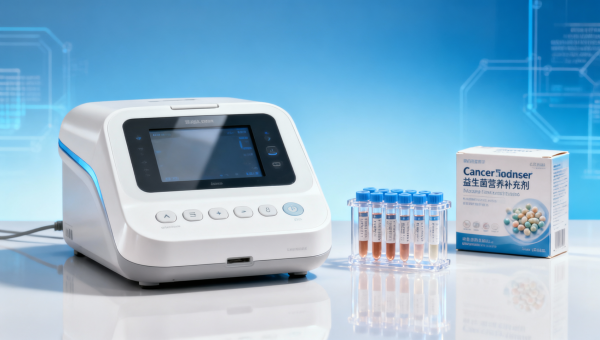
On April 2, 2026, China's National Health Commission released the updated Cancer Prevention Healthy Lifestyle Guidelines, introducing innovative home-based screening methods and expanded nutritional recommendations. This development has significant implications for global health tech exporters, precision nutrition suppliers, and insurance service designers.
Event Overview
The 2026 guidelines officially recommend "home fecal DNA testing" and "urinary tumor marker self-testing" as screening methods for the first time. It also expands intake suggestions for functional components including probiotics, vitamin D, and plant sterols. According to Alibaba International Station's April data, the guidelines have already driven a 40% increase in export inquiries for Chinese-made portable early screening devices and precision nutritional supplements.
Impact on Key Industries
Diagnostic Equipment Manufacturers
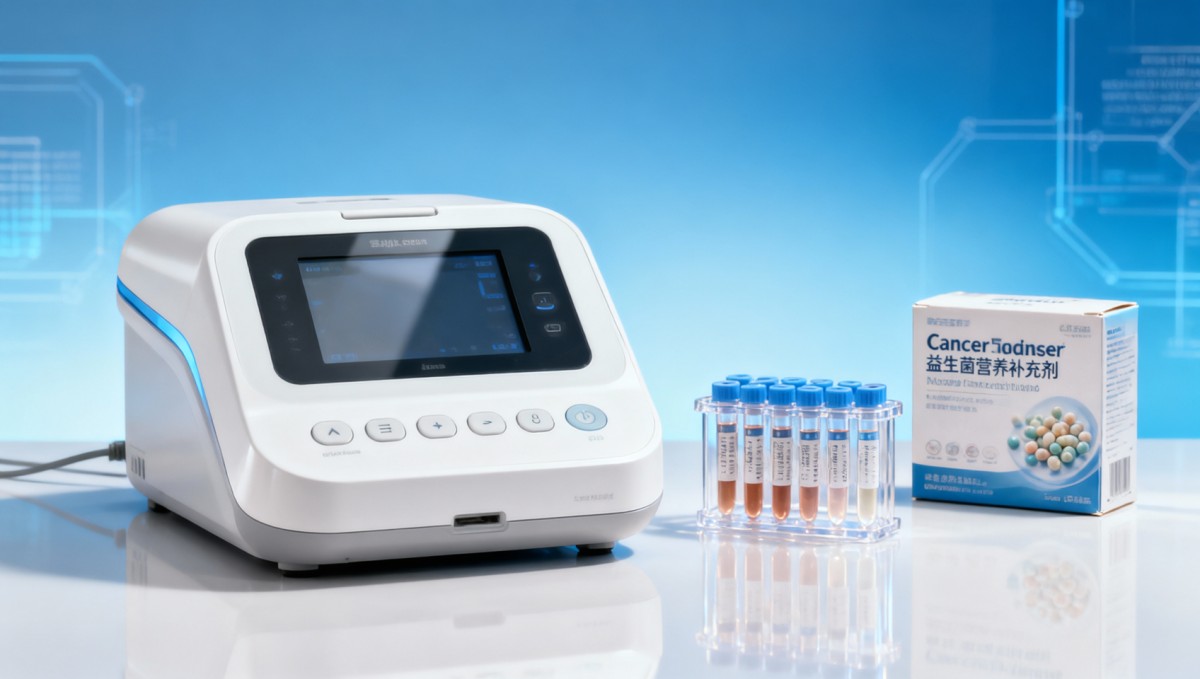
The inclusion of home-testing methods validates the portable diagnostic device market. Chinese manufacturers specializing in compact PCR analyzers and lateral flow assay devices are seeing heightened international demand, particularly from Japanese and Korean healthcare providers adapting the guidelines.
Nutraceutical Suppliers
With expanded recommendations for functional ingredients, suppliers of high-purity vitamin D isolates, clinically validated probiotic strains (particularly Bifidobacterium and Lactobacillus), and plant sterol extracts are experiencing procurement inquiries from Middle Eastern health insurance programs.
Insurance Service Designers
Health insurance providers in referenced markets are reportedly modifying premium structures to incorporate guideline-compliant screening and supplementation as value-added services, creating opportunities for cross-border health management partnerships.
Key Action Points for Businesses
Monitor Policy Adoption Patterns
Track how different countries selectively implement guideline components - Southeast Asian markets may prioritize cost-effective testing, while Gulf Cooperation Council (GCC) countries could emphasize premium nutritional solutions.
Verify Certification Requirements
Anticipate potential updates to import regulations for medical devices and nutraceuticals in adopting countries, particularly regarding at-home test accuracy standards and functional ingredient dosage claims.
Adapt Marketing Collateral
Highlight product compatibility with the guideline specifications in technical documentation, as many insurance providers now require explicit compliance references for reimbursement eligibility.
Industry Perspective
From an industry standpoint, the guidelines represent more than a domestic health policy update. The rapid international uptake suggests China's growing influence in setting practical preventive health standards. Observers note this creates a rare opportunity for health tech exporters - regulatory endorsement from Asian and Middle Eastern markets often facilitates faster European and North American market entry.
However, businesses should distinguish between immediate export inquiries and sustainable demand. The current 40% increase primarily reflects procurement departments' initial response; actual order volumes will depend on local insurance reimbursement policies being finalized in Q3-Q4 2026.
Conclusion
These guidelines have effectively created a new benchmark for preventive health technologies. For exporters, the immediate priority should be aligning product specifications with the exact parameters referenced in the document while monitoring secondary markets where the guidelines may gain traction through insurance industry adoption.
Sources
1. National Health Commission of China: Cancer Prevention Healthy Lifestyle Guidelines (2026 Edition)
2. Alibaba International Station export inquiry data (April 2026)
3. Ongoing observation required: Regional health insurance reimbursement policy updates in Japan, South Korea, and GCC countries
Related Intelligence
- Natural IngredientsBrazil Accelerates B20 Biodiesel Testing, Opening Export Window for Vegetable Oil-Based ChemicalsBrazil accelerates B20 biodiesel testing, cutting evaluation time to 4 months. This move boosts demand for vegetable oil-based chemicals like FAME and glycerol, creating export opportunities for producers. Stay ahead with key insights on policy impacts and market readiness.
- Natural IngredientsChina's New Cancer Prevention Guidelines Boost Global Health Tech ExportsChina's 2026 Cancer Prevention Guidelines boost global demand for health tech exports, including home screening devices and precision nutrition. Explore new opportunities for diagnostic equipment, nutraceuticals, and insurance services.
- Natural IngredientsXixia County Launches TCM Nursing Training, Boosting Standardized Global ExpansionXixia County launches TCM nursing training to boost standardized global expansion, focusing on auricular acupoint, scraping & moxibustion therapies aligned with ISO/TC 249. Malaysia & UAE already accept compliant products.
The Morning Broadsheet
Daily chemical briefings, market shifts, and peer-reviewed summaries delivered to your terminal.
