
Vietnam's 5% Broken Rice Export Price Rises $5/Ton Amid Middle East Conflict
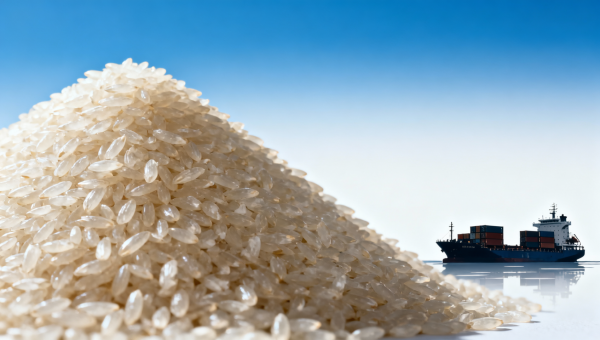
Vietnam's 5% Broken Rice Export Price Rises $5/Ton Amid Middle East Conflict
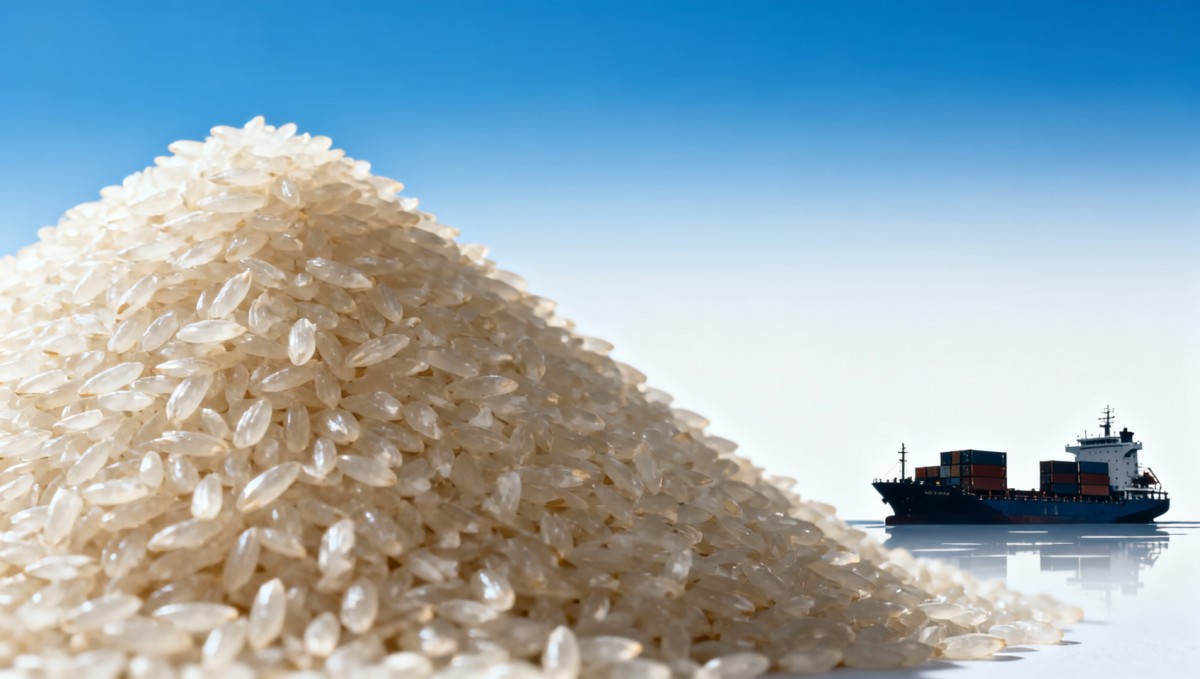
Introduction
On April 9, 2026, Vietnam's 5% broken rice export price surged by $5 per ton, reaching $375–380, driven by rising transportation and fertilizer costs due to Middle East tensions and Red Sea shipping disruptions. This development impacts global food importers, particularly the Philippines, Indonesia, and West African nations, while potentially boosting demand for China's hybrid and salt-tolerant rice varieties. The rice trade, logistics, and agricultural sectors should monitor this trend closely.
Event Overview
Vietnam's 5% broken rice export price increased to $375–380 per ton as of April 9, 2026, marking a $5 weekly rise. The spike is attributed to higher fuel and fertilizer costs stemming from geopolitical conflicts in the Middle East and extended shipping routes avoiding the Red Sea. No official policy adjustments or additional market reactions have been confirmed yet.
Impact on Key Industries
1. Rice Importers
Countries heavily reliant on rice imports, such as the Philippines, Indonesia, and West African nations, face heightened procurement costs. The price surge may strain national food security budgets and prompt shifts toward alternative suppliers or rice varieties.
2. Agricultural Input Suppliers
Fertilizer and fuel price volatility directly affects farming costs globally. Suppliers may experience fluctuating demand as rice producers seek cost-saving measures or alternative inputs.
3. Alternative Rice Exporters
Chinese exporters of hybrid and salt-tolerant rice could see increased inquiries, as these varieties offer stable yields and competitive pricing amid market instability.
Key Considerations and Responses
1. Monitor Geopolitical Developments
Track updates on Middle East tensions and Red Sea shipping lane accessibility, as prolonged disruptions may sustain elevated costs.
2. Diversify Supply Chains
Importers should evaluate alternative rice sources or varieties, such as China's high-yield options, to mitigate price risks.
3. Lock in Contracts Strategically
Negotiate mid-to-long-term contracts with suppliers to hedge against short-term price fluctuations, especially for critical food staples.
Editor's Observation
From an industry perspective, this price hike signals broader supply chain vulnerabilities rather than an isolated market shift. The convergence of geopolitical risks and agricultural input inflation underscores the need for importers to build resilience through diversified sourcing and contingency planning. While the $5 increase is modest, its drivers—shipping delays and fertilizer costs—are systemic issues likely to persist.
Conclusion
The Vietnam rice price increase reflects interconnected challenges in global trade and agriculture. Stakeholders should interpret this as a warning to reassess supply chain dependencies and explore competitively priced alternatives. Proactive adaptation, rather than reactive measures, will be critical in navigating ongoing volatility.
Sources
• Vietnam Rice Exporters Association (unconfirmed policy responses)
• Shipping industry reports on Red Sea route adjustments
• Market data on fertilizer and fuel price trends (to be monitored for updates)
Related Intelligence
- Grain Silos & StorageVietnam's 5% Broken Rice Export Price Rises $5/Ton Amid Middle East ConflictVietnam's 5% broken rice export price rises $5/ton to $375–380 amid Middle East conflict, impacting global importers. Explore key market shifts and strategic responses for rice trade stability.
- Grain Silos & StorageChina's Spring Planting Progress Stable, Wheat & Rice Price Floors StrengthenedChina's stable spring planting progress and raised wheat & rice price floors signal strengthened grain security. Learn how this impacts global trade, processors, and actionable strategies for industry players.
- Grain Silos & StorageCommercial grain silos: Why 2026 buyers are shifting from bolted to welded base designsCommercial grain silos with welded bases boost reliability & cut OPEX—integrate seamlessly with screw conveyor for grain, grain chain conveyor, bucket elevators wholesale, silo temperature monitoring system, and more.
The Morning Broadsheet
Daily chemical briefings, market shifts, and peer-reviewed summaries delivered to your terminal.
