
China's Spring Planting Progress Stable, Wheat & Rice Price Floors Strengthened
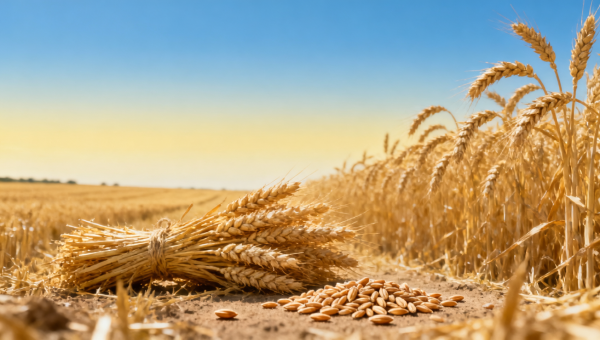
The latest agricultural dispatch reveals stable spring planting progress in China, with minimum purchase prices for wheat and early rice slightly raised. This signals reinforced grain price stabilization mechanisms, impacting global trade flows and processing industries.
Event Overview
As of April 3, China's spring planting completed 5.5% of intended acreage, maintaining pace with 2023 levels. The government pre-announced increased minimum purchase prices for wheat (1.18 RMB/500g) and early rice (1.26 RMB/500g), strengthening market confidence in China's staple grain supply stability.
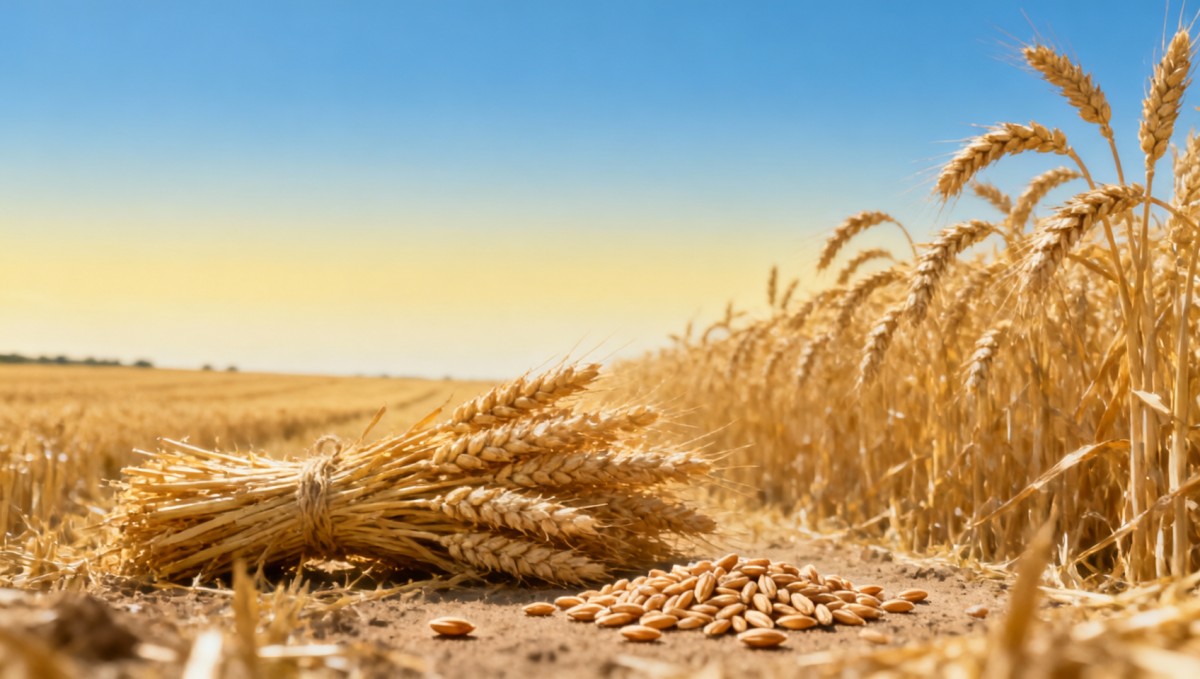
Industry Impacts
Grain Trading Enterprises
The price floor adjustment signals reduced volatility risks for bulk buyers. International traders may increase long-term contracts for Chinese specialty grains (black rice, quinoa) given demonstrated processing capacity reliability.
Food Processors
Stable raw material pricing benefits cost forecasting but requires attention to potential quality upgrades as farmers prioritize premium varieties to maximize returns under the new price structure.
Agricultural Input Suppliers
Consistent planting progress indicates stable demand for seeds/fertilizers, though regional variations may emerge as farmers adjust crop mixes to optimize for the revised price supports.
Actionable Insights
Monitor Implementation Details
Track provincial-level execution of price mechanisms and any supplementary quality-based pricing policies expected in Q2.
Reassess Procurement Timelines
The early price announcement allows buyers to adjust purchasing schedules before the summer harvest period.
Diversify Specialty Grain Portfolios
Processors should evaluate expanding value-added grain offerings, leveraging China's demonstrated supply chain resilience in this segment.
Industry Perspective
Analysis suggests this represents a calibrated policy signal rather than immediate market intervention. The measured price increases (3-5% YoY) balance farmer incentives with inflation control, while the planting progress stability confirms effective logistics recovery from earlier weather disruptions.
Conclusion
This development reinforces China's dual approach to grain security: maintaining baseline production through price supports while allowing market forces to drive quality differentiation. Industry players should interpret the moves as part of a multi-year agricultural modernization framework rather than reactive measures.
Sources
• Ministry of Agriculture and Rural Affairs operational dispatch (April 3)
• National Food and Strategic Reserves Administration price bulletin
• Ongoing monitoring required for regional implementation variations
Related Intelligence
- Grain Silos & StorageChina's Spring Planting Progress Stable, Wheat & Rice Price Floors StrengthenedChina's stable spring planting progress and raised wheat & rice price floors signal strengthened grain security. Learn how this impacts global trade, processors, and actionable strategies for industry players.
- Grain Silos & StorageChina's Spring Planting Progress Stable, Wheat & Rice Price Supports StrengthenedChina's wheat & rice price supports strengthened as spring planting progresses steadily. Key insights for global buyers of Chinese staple food exports (noodles, rice noodles) amid new 2026 price floors.
- Grain Silos & StorageU.S. Wheat Futures Rise Amid Drought, KCBT Hard Red Winter Hits 12-Month HighU.S. wheat futures surge as drought hits Great Plains, with KCBT hard red winter wheat hitting 12-month high. Critical insights for global importers, flour exporters & traders facing supply chain shifts.
The Morning Broadsheet
Daily chemical briefings, market shifts, and peer-reviewed summaries delivered to your terminal.
