
Blueberry Prices Drop to $3.5–$5 per kg as China's Domestic Cultivation Breaks Import Monopoly
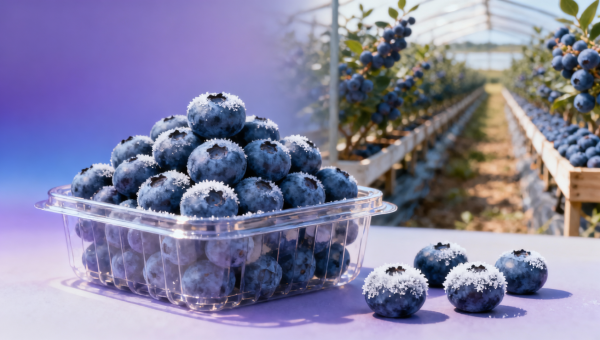
China's blueberry market has undergone a significant shift, with retail prices dropping to 25–35 yuan per斤 (approximately $3.5–$5 per kg) as domestic production surges. This price adjustment reflects the success of China's independent breeding programs and staggered harvest seasons across Yunnan, Shandong, and Liaoning provinces. The development is particularly relevant for fresh produce traders, food processors, and cold chain logistics providers, marking a transition from premium imported fruit to mass-market accessibility.
Event Overview
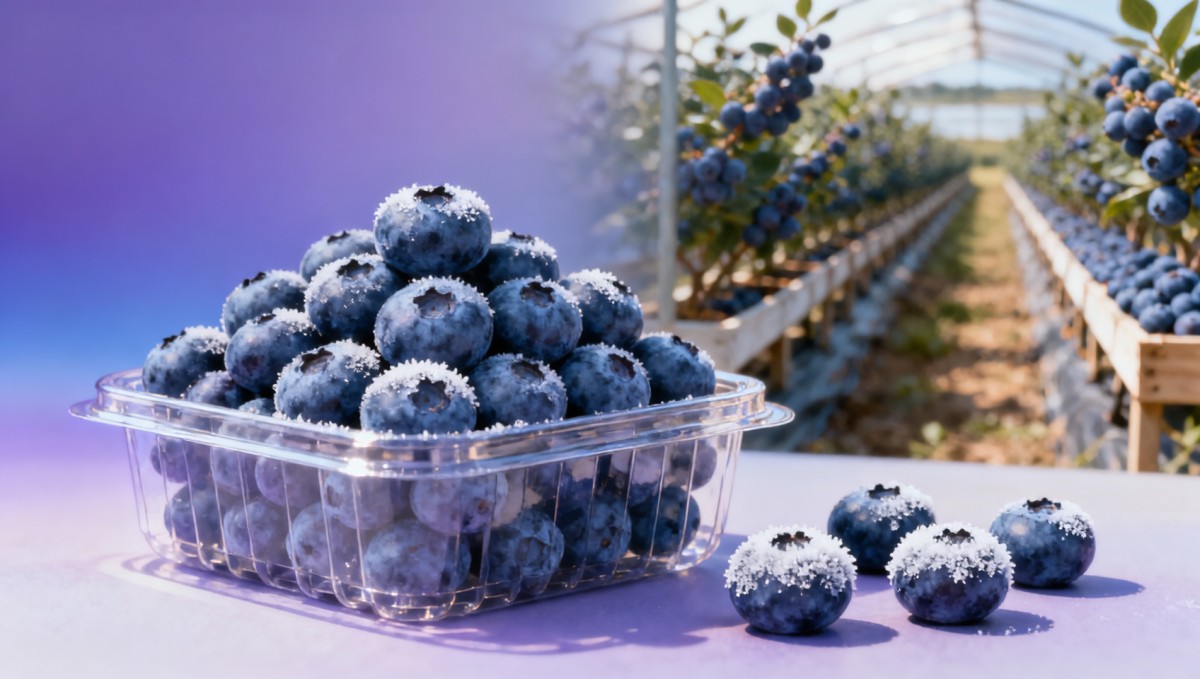
China's blueberry output is projected to reach 810,000 tons by 2025, enabled by localized varieties and multi-regional cultivation cycles. This production boom has attracted procurement interest from Southeast Asian and Middle Eastern importers for both fresh and freeze-dried products. The current price range represents a 40–50% reduction from previous import-dominated market levels.
Impact on Sub-sectors
Import Replacement Sector
Traditional blueberry importers face reduced margins as domestic supply displaces Chilean and Peruvian shipments. Businesses should recalibrate procurement strategies toward higher-value specialty varieties that still require importation.
Processing Industry
Increased raw material availability at lower costs benefits jam, yogurt, and supplement manufacturers.
Cold Chain Logistics
Export demand exposes infrastructure gaps in last-mile cooling and customs clearance efficiency. Logistics providers must demonstrate GAP-certified handling processes to access premium export markets.
Key Considerations for Industry Players
Quality Certification Prioritization
Export-oriented growers should accelerate Good Agricultural Practice (GAP) certification to meet international buyer requirements, particularly for Middle Eastern markets with strict phytosanitary standards.
Seasonal Inventory Planning
Distributors must optimize stock rotation between Yunnan's early crops (March–May) and Liaoning's late harvests (July–September) to maintain year-round supply stability.
Secondary Processing Innovation
Freeze-dried powder producers have an opportunity window to develop value-added formats before market saturation, leveraging China's cost advantage in bulk dehydration capacity.
Industry Observation
From an industry perspective, this price correction signals maturation rather than market fluctuation. The more significant development is China's emerging role as a net exporter in the global blueberry trade. However, the sustainability of export growth hinges on addressing cold chain fragmentation—particularly in maintaining temperature control during cross-border rail shipments to Central Asia.
Conclusion
China's blueberry market transformation demonstrates how agricultural technology adoption and regional cultivation strategies can disrupt established import dependencies. While domestic consumers benefit from lower prices, the industry's next challenge lies in standardizing quality for international buyers and preventing oversupply-driven value erosion in processing segments.
Source
China Fruit Marketing Association production forecasts, regional agricultural bureau reports. Ongoing monitoring required for export cold chain performance metrics beyond 2025.
Related Intelligence
- Natural IngredientsChina's New Cancer Prevention Guidelines: Industry Impact and OpportunitiesExplore how China's new cancer prevention guidelines create opportunities for home testing kits, functional foods, and health tech industries. Learn about weight management, dietary fiber, and early screening impacts.
- Natural IngredientsBlueberry Prices Drop to $3.5–$5 per kg as China's Domestic Cultivation Breaks Import MonopolyChina's blueberry prices drop to $3.5–$5/kg as domestic cultivation breaks import monopoly. Discover how this market shift impacts traders, processors & logistics providers, with 810,000-ton output projected by 2025.
- Natural IngredientsMalaysian Palm Oil Futures Rise on Indonesia's B50 Policy and Export Tax Hike ExpectationsMalaysian palm oil futures rise 0.5% to 4,794 ringgit/ton amid Indonesia's B50 biodiesel policy and export tax hike expectations. Learn how this impacts global vegetable oil markets and key strategies for importers, refiners & biodiesel producers.
The Morning Broadsheet
Daily chemical briefings, market shifts, and peer-reviewed summaries delivered to your terminal.
