
Tianjin Modernizes Livestock Farming with AI and Automation
Introduction
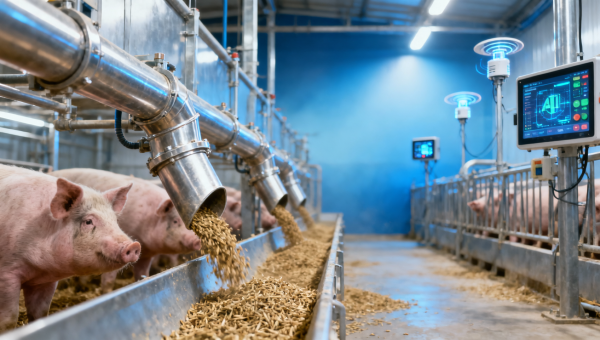
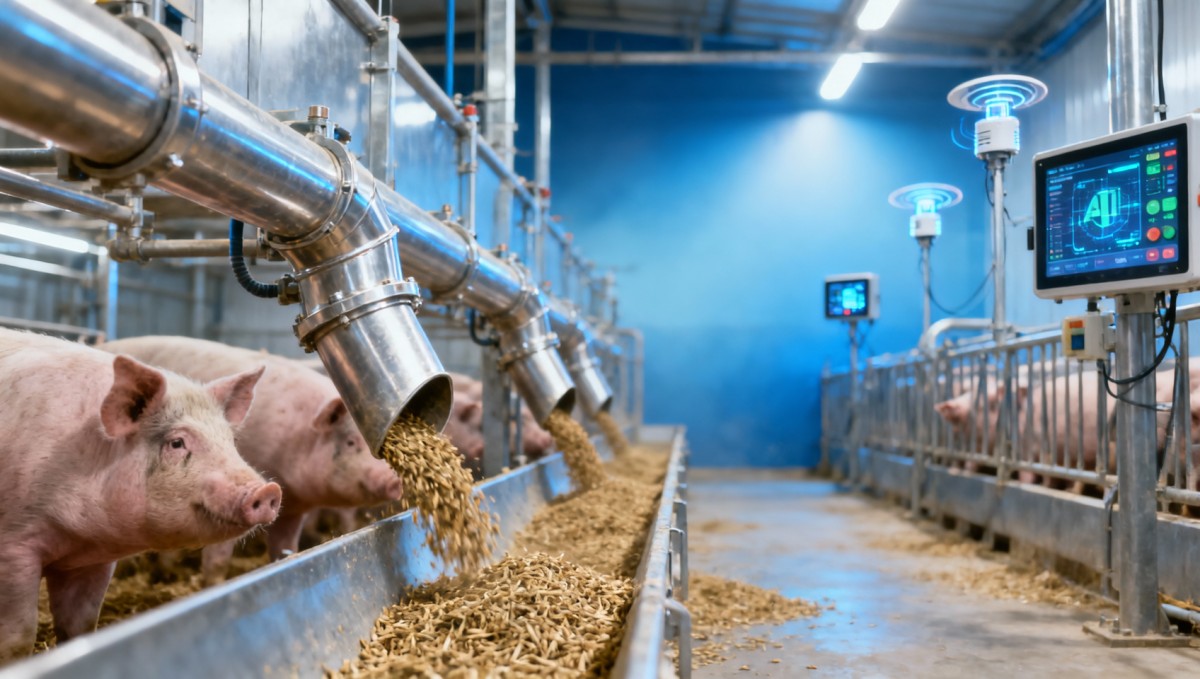
Tianjin has advanced its modern urban livestock farming by implementing automated feeding and AI-based disease prevention systems. These innovations, now operational in the Binhai New Area and Ninghe District, are attracting international interest, particularly from Middle Eastern and Southeast Asian markets. The focus lies on system adaptability, including language, voltage, and network compatibility, as well as African swine fever module certification. This development marks a critical phase for China's smart livestock equipment in global markets.
Event Overview
Tianjin's Binhai New Area has scaled up automated feeding, environmental sensing, and AI disease detection in modern pig farms, while Ninghe's sheep farms have digitized spring vaccination records. These integrated solutions are now being evaluated by overseas buyers, with inquiries centered on localization, disease module compliance, and technical support responsiveness. The systems' export potential is undergoing real-world validation.
Impact on Sub-sectors
Livestock Equipment Manufacturers
Domestic producers must now prioritize modular designs that accommodate regional electrical standards and multilingual interfaces. The African swine fever certification process emerges as a key differentiator for export readiness.
International Agri-Tech Integrators
Distributors in target markets should assess local network infrastructure limitations and prepare for phased implementation strategies rather than complete system overhauls.
Veterinary Service Providers
The digitized immunization records create new opportunities for cross-border disease management collaborations, particularly in emerging markets with weak traceability systems.
Key Considerations for Stakeholders
Technical Adaptation Requirements
Equipment makers should conduct voltage compatibility tests for Middle Eastern (220-240V) and Southeast Asian (220V) markets, while developing Arabic and ASEAN language interfaces.
Certification Timelines
Companies must monitor OIE's evolving African swine fever module approval standards, with current evaluation cycles taking 6-8 months for new applicants.
After-Sales Service Models
Establishing regional maintenance hubs or local partner training programs will be crucial to address concerns about response times in overseas markets.
Industry Perspective
From an industry standpoint, this represents more than technological advancement—it signals China's transition from equipment exporter to smart farming solution provider. The current phase tests not just product functionality but entire service ecosystems in diverse operating environments. Market observers should track adoption rates in Vietnam and Saudi Arabia, where pilot projects reportedly show the strongest traction.
Conclusion
Tianjin's smart farming initiatives demonstrate China's growing capability to deliver integrated livestock management solutions. While technical adaptability remains the immediate focus, long-term success will depend on creating sustainable service networks abroad. The industry should view this as a benchmark for smart agriculture exports rather than an isolated development.
Source Information
Primary data from Tianjin Agricultural Commission announcements. Ongoing monitoring required for: 1) Finalized African swine fever module certification results 2) Official export volume statistics for 2024 Q1.
Related Intelligence
- Feeding & Watering SystemsTianjin Modernizes Livestock Farming with AI and AutomationDiscover how Tianjin's AI and automation are transforming livestock farming with smart feeding systems and disease prevention. Learn about export-ready solutions for global markets.
- Feeding & Watering SystemsAutomatic bagging machine feed accuracy drifts over time — when should you recalibrate?Automatic bagging machine feed drift affects 50kg bag packaging machine & robot palletizer performance—recalibrate before accuracy drops ±0.3%. Learn when & how.
- Feeding & Watering Systems50kg bag packaging machine seal integrity tests most operators skip (but shouldn’t)50kg bag packaging machine seal integrity tests prevent recalls & boost OEE. Critical for flour purifier machine, roller mill for wheat, and robot palletizer for feed bags—don’t skip them.
The Morning Broadsheet
Daily chemical briefings, market shifts, and peer-reviewed summaries delivered to your terminal.
