

The Authority in Global Agricultural Chemistry & Bio-Resources
China Issues 2026 Guide for Green Smart Greenhouse Exports
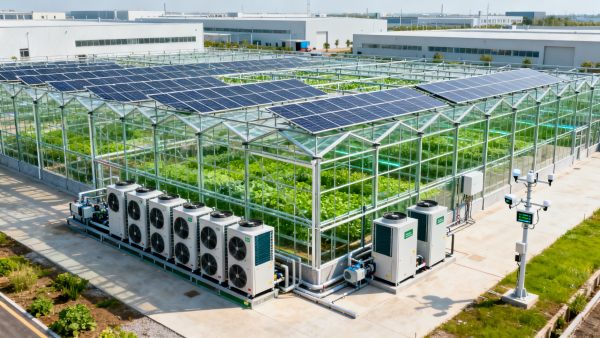
On June 16, 2026, China’s Ministry of Commerce and Ministry of Agriculture and Rural Affairs released the 2026 revised Technical Guide for Green Smart Greenhouse Equipment Exports. The update is drawing attention across greenhouse equipment manufacturing, export operations, project bidding, testing, and procurement because it adds several export-recommended technical items and, although non-mandatory in form, has already been treated by major Middle East buyers as a pre-bid technical threshold.
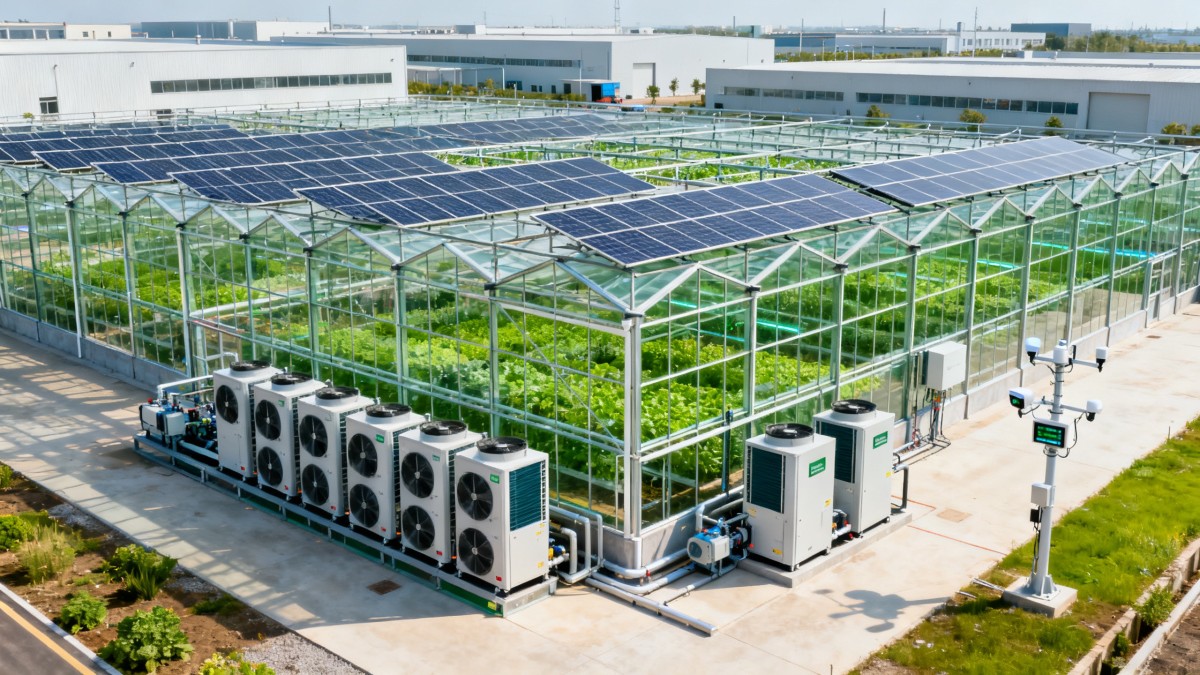
What the new guide formally adds
The newly released 2026 revision places photovoltaic-integrated temperature control, localized adaptation of AI environmental control algorithms, and compatibility with low-GWP refrigerants into the list of recommended standards for greenhouse equipment exports.
The guide also establishes a list of testing methods recognized in connection with UN FAO and Wageningen UR in the Netherlands.
According to the provided event summary, the document is a recommended guide rather than a mandatory rule. At the same time, Saudi Arabia’s NEOM agriculture project and the UAE’s RAK AgriTech have already treated it as a technical precondition in tender preparation.
Why different market participants may feel the impact first
Export equipment suppliers may face earlier technical screening
From an industry perspective, suppliers of greenhouse systems and related equipment may be affected first because the guide now points buyers toward specific technical expectations. The direct impact is likely to appear in bid documents, technical specifications, product matching, and pre-sales communication, especially where overseas projects ask whether equipment aligns with the newly recommended items.
Testing and compliance work may move closer to the front of the sales cycle
Companies involved in testing, technical documentation, and export compliance may need to pay closer attention because the guide includes a testing-method list tied to mutual recognition with UN FAO and Wageningen UR. Analysis shows this can shift some compliance preparation from a later delivery-stage task to an earlier commercial-stage requirement.
Overseas project buyers and integrators may use the guide as a filtering tool
For procurement teams, project integrators, and tendering parties, the guide offers a clearer screening basis for comparing suppliers. What deserves closer attention is that the document is already being used in practice by named Middle East buyers as an entry threshold, which means its commercial relevance may extend beyond its formal status as a recommendation.
Supply chain and component planning may require closer specification checks
Manufacturers and sourcing teams involved in refrigeration-related components, control systems, and energy-linked temperature management may need to review whether their current specifications can be clearly mapped to the guide’s recommended direction. The impact is less about broad market change at this stage and more about whether products can be described, tested, and delivered against buyer-facing technical expectations.
Operational priorities companies should watch now
Separate the policy signal from the commercial threshold
The guide is described as recommended, but the input information also shows that some buyers are already using it as a tender gate. Companies should therefore distinguish between legal compulsion and actual market access conditions when planning sales and bid responses.
Check whether key product lines can answer the new technical language
Firms exporting greenhouse equipment should review how their products are presented against photovoltaic-integrated temperature control, localized AI environmental control adaptation, and low-GWP refrigerant compatibility. The immediate issue is not only engineering readiness, but also whether technical files, bid responses, and customer communication can address these points clearly.
Prepare testing and documentation paths earlier
Because the guide includes mutually recognized testing methods, exporters and service providers may need to prepare supporting materials earlier in the transaction process. Observably, this matters in pre-qualification, customer review, and coordination with project partners before final procurement decisions are made.
Track whether more buyers adopt the same threshold logic
Current attention is especially relevant for teams targeting the Middle East, given the named examples in the input. Companies should watch whether similar tender expectations appear in additional procurement processes, and whether customer inquiries begin to reference the same technical framework more frequently.
How this development is best understood at this stage
Analysis shows this update should not be read simply as a routine document revision. It signals a more explicit export-facing framework around energy integration, algorithm localization, and refrigerant compatibility in greenhouse equipment.
At the same time, it is more appropriate to understand the development as a market-shaping signal rather than a fully settled industry outcome. The reason is that the provided facts confirm early adoption by certain buyers, but they do not yet prove uniform adoption across all export destinations or all procurement systems.
From an industry perspective, the most important point is that a recommended technical guide is already influencing real project access conditions. That makes it commercially relevant even before any broader rule change is confirmed.
What this means for the sector now
For the greenhouse equipment export chain, the June 16 update matters because it links technical recommendation, recognized testing language, and actual buyer-side tender practice in one development. That combination is likely to matter most for exporters, project-facing manufacturers, and compliance-related service roles.
A neutral reading is that the guide already has practical significance in selected overseas procurement scenarios, but its wider impact still requires continued observation. It is more appropriate to understand this as an important directional signal with immediate implications for some bids, rather than as a completed market-wide shift.
Basis of this article and follow-up points
This article is generated based on the user-provided news title, event date, and event summary. The factual basis provided includes the release date, the issuing ministries, the newly added recommended technical items, the testing-method recognition reference, and the note that certain Middle East buyers have already used the guide as a pre-bid threshold.
For this type of industry update, source categories typically worth checking include official government notices, company procurement announcements, industry association updates, authoritative media reporting, and technical or standards-related documents. A specific official source link was not provided in the input, so further verification remains necessary.
Follow-up attention should focus on whether additional buyers adopt the same screening approach, whether official wording changes in later notices, and how the guide is reflected in actual tender and technical documentation practice.
Related Intelligence
- Smart GreenhouseGreenhouse Equipment for Vertical Farming: Choosing Lighting and VentilationChoose greenhouse equipment for vertical farming with confidence. Compare lighting, airflow, and moisture control to improve crop uniformity and manage costs. Explore the guide.
- Smart GreenhouseSelecting Greenhouse Propagation Equipment for Hot, Humid Southeast Asian NurseriesGreenhouse propagation equipment Southeast Asia: discover how to select resilient irrigation, ventilation, benches, and automation for hot, humid nurseries.
- Smart GreenhouseWhat Are the Biggest Challenges in Agri-Tech Adoption in 2026?What are the biggest challenges in agri tech adoption for 2026? Explore cost, data, connectivity, skills, compliance, and ROI barriers.
The Morning Broadsheet
Daily chemical briefings, market shifts, and peer-reviewed summaries delivered to your terminal.
