

The Authority in Global Agricultural Chemistry & Bio-Resources
Southeast Asia RAS Orders Surge as Lead Times Stretch
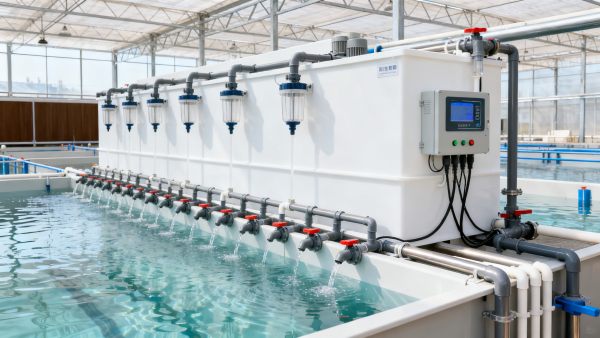
The timing of the underlying event is not clearly specified in the available input, but the latest monitoring cited here points to a sharp policy-linked shift in Southeast Asia’s recirculating aquaculture system (RAS) procurement cycle. For equipment makers, OEM suppliers, project buyers, and related supply-chain service providers, the key issue is not only the jump in demand, but also how subsidy implementation is already affecting delivery schedules, pricing acceptance, and procurement execution for core Aeration & Water Tech subsystems.
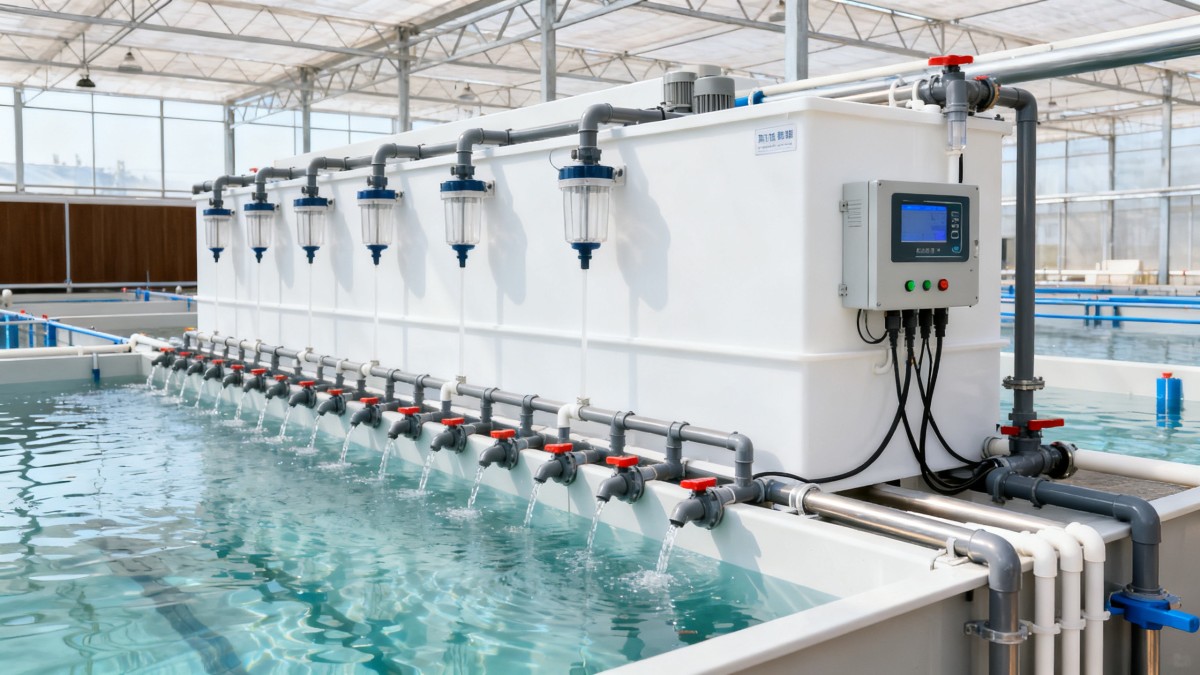
What the reported procurement data confirms
According to monitoring data published by Aquaculture Asia Pacific (AAP) on June 16, 2026, RAS purchase orders in Vietnam, Indonesia, and Thailand rose 302% year on year in Q2 2026.
The reported driver was the implementation of national fisheries modernization subsidy policies.
Within these systems, Aeration & Water Tech equipment—including microporous aeration, online dissolved oxygen control, and integrated biofilter units—has seen average lead times extend from a conventional six weeks to 18 weeks.
Chinese leading OEM manufacturers also stated that current production schedules are full through December 2026, and that new orders must accept tiered price adjustments.
Where the pressure is likely to appear first
Project procurement is moving from price comparison to capacity allocation
From an industry perspective, buyers of RAS projects may be affected first because the reported change is concentrated in core subsystems rather than peripheral items. The practical impact is likely to fall on tender timing, equipment scheduling, supplier confirmation, and contract delivery terms. What deserves closer attention is whether procurement files, technical specifications, and bid documentation begin to place more emphasis on delivery commitments, subsystem compatibility, and supplier fulfillment capability.
OEM and manufacturing suppliers face tighter delivery and document coordination
For OEM producers and component integrators, the immediate pressure is likely to center on production planning, lead-time disclosure, quotation validity, and after-sales delivery commitments. Analysis shows that once subsidy-driven demand enters active execution, buyers may become more sensitive to technical documentation, configuration consistency, and delivery traceability, especially where integrated units are involved.
Trade and supply-chain service providers may see execution risks rise
Companies involved in cross-border delivery, sourcing coordination, and project support may be affected because longer equipment lead times can alter shipment windows, acceptance schedules, and contract milestones. Observably, the core issue is less about a single order increase and more about whether procurement execution, shipping preparation, and supporting commercial documents remain aligned as supplier queues lengthen and prices adjust in stages.
What companies should monitor now
Check whether compliance documents still match project timing
Analysis shows that when procurement accelerates under subsidy implementation, the validity and completeness of technical files, test records, product specifications, and bid documents can become more important in award and delivery stages. If project schedules are revised because of longer lead times, companies should closely track whether document submission timing and technical alignment also need adjustment.
Review contract language around lead time and price adjustment
What deserves closer attention is the reported shift from a conventional six-week cycle to 18 weeks, alongside tiered pricing for new orders. For buyers and suppliers, this makes delivery clauses, quotation periods, change-order terms, and acceptance milestones more sensitive than in a stable supply environment. The current input does not provide formal execution rules, so this should be treated as a point for active monitoring rather than a settled market standard.
Watch for changes in procurement specifications and supplier qualification thresholds
Observably, once subsidy-backed projects move into execution, purchasing entities may tighten their review of supplier qualifications, subsystem integration capability, and support documentation. Companies targeting these orders should pay attention to whether future tender files, technical annexes, or qualification requirements change in wording or emphasis, even if no such detailed changes are confirmed in the current input.
Prepare for after-sales and traceability expectations to become more visible
From an industry perspective, longer delivery cycles in critical water-management equipment can push more attention toward installation support, operating documentation, and quality traceability. The available information does not confirm new regulatory requirements in these areas, but companies involved in export delivery and project support should still monitor whether customer-side execution standards begin to shift.
Why this looks more like an execution signal than a finished rule set
Analysis shows that this development is best understood as an execution signal tied to subsidy rollout rather than a fully defined new regulatory framework. The confirmed facts point to demand expansion and supply tightness, but they do not yet establish detailed procurement rules, certification pathways, or formal trade restrictions. That is why continued observation of policy wording, implementation practice, procurement documents, and market feedback remains important.
It is more appropriate to understand this as evidence that policy implementation is already influencing order behavior and delivery conditions in the RAS chain. At the same time, the absence of detailed official execution language in the current input means the industry should avoid treating temporary supply responses as final long-term rules.
How the market may need to read this development
The most relevant takeaway is that a policy-driven increase in RAS orders is now appearing to affect procurement timing, lead-time expectations, and price acceptance for core Aeration & Water Tech equipment. In practical terms, this matters to buyers, OEM manufacturers, and supply-chain participants because execution discipline may become more important than simple price negotiation.
A balanced reading is that the reported surge should be seen as a concrete market response to subsidy implementation, while the broader compliance, procurement, and delivery implications still require close observation as projects move forward.
Basis of this article and what still needs verification
This article is generated from the user-provided news title, event timing, and event summary. The specific official source link was not provided in the input, so further verification is still needed.
For developments of this kind, relevant source categories usually include official announcements, regulator releases, trade or customs authority information, industry association updates, standards documents, and reporting by authoritative sector media. Further monitoring should focus on policy details, implementation interpretations, tender document changes, certification expectations, market feedback, and how companies are executing deliveries under extended lead times.
Related Intelligence
- Aeration & Water TechHow Water Treatment Research Guides Technology Selection for Industrial Wastewater ProjectsWater treatment research guides smarter industrial wastewater technology selection. Learn how to assess variable streams, pilot risks, compare process trains, and reduce compliance costs.
- Aeration & Water TechSelecting Solids Filtration for Aquaculture: Flow Rates, Loading, and Fish WelfareSolids filtration aquaculture guide: compare flow rates, peak loading, capture performance, maintenance, and fish welfare to choose a reliable system.
- Aeration & Water TechWhat RO water treatment systems deliver consistent 98% salt rejection at 25°C with feed TDS over 3,000 ppm?RO water treatment systems that deliver proven 98% salt rejection at 25°C with >3,000 ppm TDS—engineered for API synthesis, aquaculture & grain processing.
The Morning Broadsheet
Daily chemical briefings, market shifts, and peer-reviewed summaries delivered to your terminal.
