

The Authority in Global Agricultural Chemistry & Bio-Resources
SASO Enforces New Energy Efficiency Standard for Smart Greenhouses
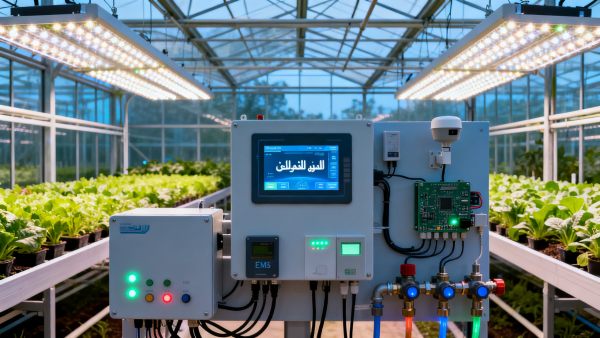
Saudi Arabia’s Standards, Metrology and Quality Organization (SASO) implemented SASO IEC 63257:2026 on May 11, 2026 — a mandatory energy efficiency and data interface standard for smart greenhouse environmental control equipment. This regulation directly affects exporters of intelligent greenhouse systems to Saudi Arabia, particularly those supplying integrated climate control, irrigation, and lighting solutions. It signals a shift toward localized energy management compliance as a market access requirement.
Event Overview
On May 11, 2026, SASO officially enforced SASO IEC 63257:2026, titled Energy Efficiency and Data Interface Specification for Smart Greenhouse Environmental Control Equipment. The standard mandates that all imported smart greenhouse systems cleared through Saudi customs on or after July 1, 2026, must include a locally adapted Energy Management System (EMS). This EMS must support Arabic-language user interfaces, comply with Saudi national grid time-of-use electricity pricing protocols, and connect to a SASO-recognized cloud platform. Non-compliant shipments will be denied entry.
Industries Affected by the Regulation
Smart Greenhouse System Exporters
These companies supply fully integrated greenhouse solutions to Saudi clients. They are directly affected because the new standard requires hardware-level integration of EMS functionality — not just software updates. Impact includes redesign of control architecture, revalidation of energy performance metrics, and additional certification costs before shipment.
EMS Software Developers & Integrators
Firms providing energy management platforms or middleware for agricultural automation must adapt their products to meet SASO’s interoperability and data reporting requirements. This includes supporting Arabic UI localization, real-time tariff-aware load scheduling, and API-level integration with SASO’s approved cloud infrastructure.
OEM Component Suppliers (e.g., HVAC, LED lighting, sensors)
Suppliers whose components are embedded in end-user smart greenhouse systems may face revised technical specifications from system integrators. While not directly regulated, they may need to provide updated communication protocols (e.g., Modbus TCP extensions), energy consumption logs, or firmware update capabilities to enable EMS compliance.
Logistics & Customs Compliance Service Providers
Freight forwarders and regulatory consultants handling Saudi-bound agricultural technology shipments now require verification of EMS conformity documentation prior to customs clearance. This adds a new pre-clearance checkpoint — including evidence of Arabic UI validation, grid tariff compatibility testing reports, and cloud platform registration status.
What Relevant Enterprises or Practitioners Should Focus On
Monitor official SASO guidance on recognized cloud platforms
SASO has not publicly listed all approved cloud platforms as of May 2026. Enterprises should track SASO’s official portal and authorized conformity assessment bodies for updates — especially regarding API specifications, data retention policies, and audit log requirements.
Verify EMS readiness across full product lifecycle stages
Compliance is not limited to factory settings. Enterprises must ensure EMS functionality remains operational post-installation — including over-the-air updates, Arabic language persistence across firmware revisions, and correct interpretation of dynamic tariff signals from the Saudi grid operator. Testing should cover edge cases such as network outages and manual override scenarios.
Distinguish between regulatory deadlines and practical implementation timelines
The July 1, 2026, enforcement date applies to customs clearance, not contract signing or production start. Exporters should align production schedules to allow for final EMS integration, third-party verification, and documentation preparation — ideally completing these at least 4–6 weeks before planned shipment.
Prepare documentation packages for Saudi customs submission
Required documents likely include: EMS functional test report (Arabic/English bilingual), UI localization certificate, grid tariff compatibility statement signed by a SASO-accredited lab, and cloud platform onboarding confirmation. Enterprises should initiate internal cross-functional reviews (engineering, QA, regulatory affairs) to consolidate these materials well in advance.
Editorial Perspective / Industry Observation
Observably, SASO IEC 63257:2026 functions less as a standalone technical standard and more as an early-stage market gatekeeper for digital agriculture infrastructure in Saudi Arabia. Analysis shows it reflects broader national priorities under Vision 2030 — particularly energy efficiency in food production and sovereign control over operational data flows. While the standard references IEC frameworks, its local adaptation requirements (Arabic UI, tariff integration, cloud mandate) indicate that international harmonization alone does not satisfy compliance. From an industry perspective, this is best understood not as a one-time certification hurdle, but as the first formalized signal of an emerging regulatory layer for ‘smart agri-infrastructure’ in the Gulf region.
Current implications remain procedural rather than punitive — no enforcement penalties beyond port rejection have been announced. However, repeated non-compliance could trigger stricter scrutiny in future SASO technical regulations for related domains (e.g., vertical farming, hydroponic control systems). Continuous monitoring is warranted, especially as SASO begins publishing implementation FAQs and lab accreditation lists.
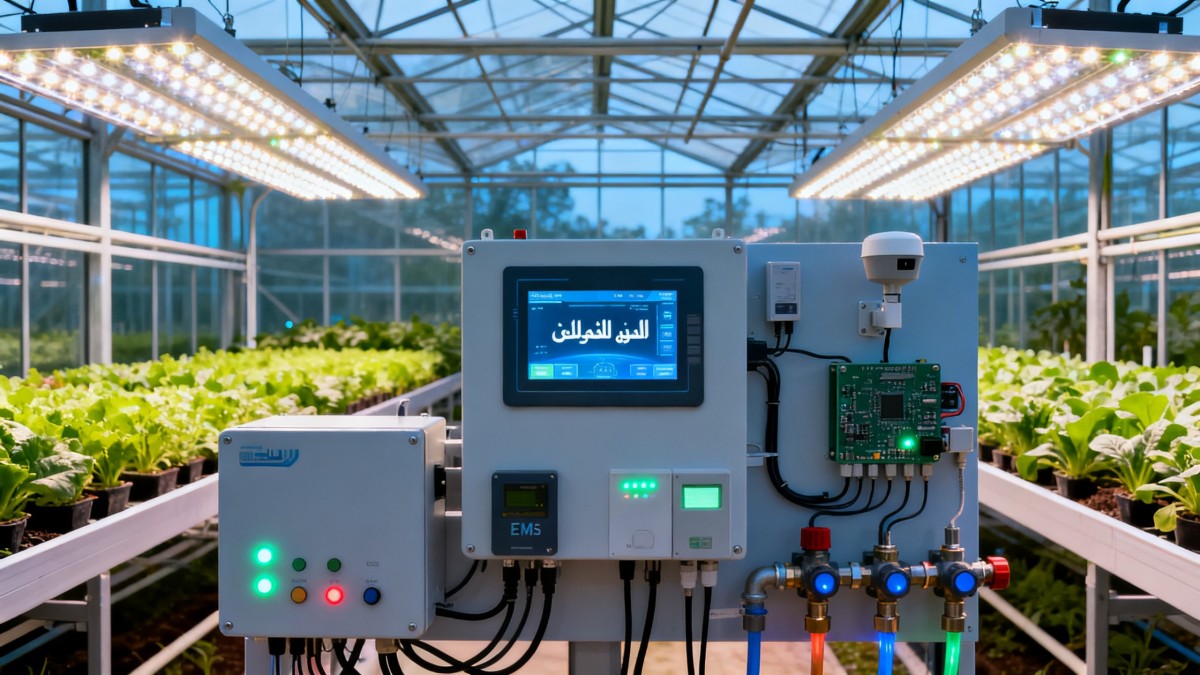
Conclusion: SASO IEC 63257:2026 establishes a new baseline for market access — not just for greenhouse equipment, but for any digitally managed agricultural system entering Saudi Arabia. Its significance lies in codifying local energy governance into hardware and software requirements. It is more accurately interpreted as an evolving operational prerequisite than a static technical specification. Enterprises should treat it as a structural shift in export readiness criteria — requiring coordinated action across engineering, compliance, and supply chain functions.
Source: Saudi Standards, Metrology and Quality Organization (SASO), official enforcement notice dated May 11, 2026. Note: SASO’s list of recognized cloud platforms and accredited testing laboratories remains pending public release and is subject to ongoing observation.
Related Intelligence
- Smart GreenhouseGreenhouse Equipment for Vertical Farming: Choosing Lighting and VentilationChoose greenhouse equipment for vertical farming with confidence. Compare lighting, airflow, and moisture control to improve crop uniformity and manage costs. Explore the guide.
- Smart GreenhouseSelecting Greenhouse Propagation Equipment for Hot, Humid Southeast Asian NurseriesGreenhouse propagation equipment Southeast Asia: discover how to select resilient irrigation, ventilation, benches, and automation for hot, humid nurseries.
- Smart GreenhouseWhat Are the Biggest Challenges in Agri-Tech Adoption in 2026?What are the biggest challenges in agri tech adoption for 2026? Explore cost, data, connectivity, skills, compliance, and ROI barriers.
The Morning Broadsheet
Daily chemical briefings, market shifts, and peer-reviewed summaries delivered to your terminal.
