

The Authority in Global Agricultural Chemistry & Bio-Resources
AEM: US Four-Wheel-Drive Tractor Sales Rose 7.7% in October
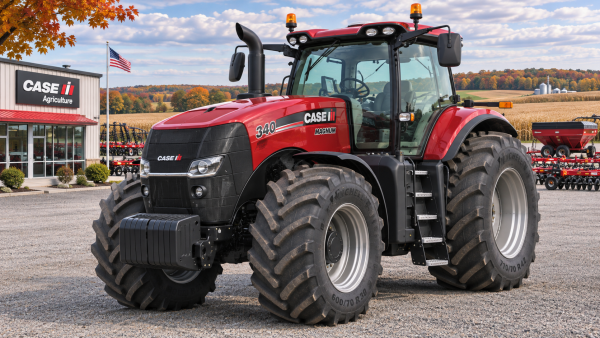
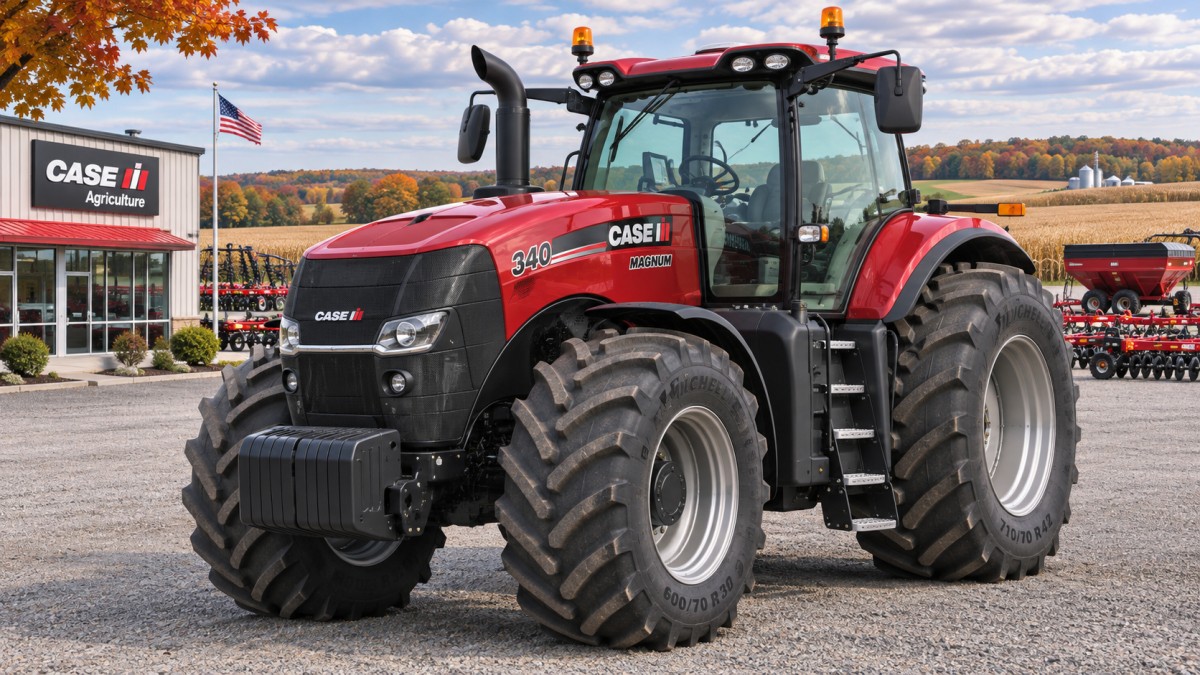
US retail sales of four-wheel-drive tractors rose 7.7% year over year in October 2026, according to the Association of Equipment Manufacturers (AEM). The increase points to a recent improvement in demand within a heavy agricultural equipment segment, even as the broader farm equipment market faces trade issues and volatility.
AEM Senior Vice President Curt Blades described the result as an encouraging bright spot against those wider challenges. The figure compares retail sales in October with the same month a year earlier; it does not, on its own, establish how the segment performed over a longer period or how the rest of the equipment market performed during the month.
What the increase shows
The reported gain indicates that more four-wheel-drive tractors were sold at retail in October than in the comparable month of the previous year. For manufacturers and sellers, that is a useful signal of demand for this specific category. It is also a narrower measure than a change in total agricultural equipment sales: performance in one segment cannot be assumed to represent the entire market.
The percentage change also leaves the scale of the increase open to interpretation. Without the underlying unit totals, the 7.7% figure does not show how many additional tractors were sold. Nor does it explain which factors influenced purchasing decisions or whether sales were concentrated among particular buyers.
Implications for the equipment supply chain
If stronger retail demand continues, it could influence how manufacturers and dealers assess production, inventory and availability for four-wheel-drive models. Retail sales are relevant to those decisions because they indicate equipment moving to end customers, although a single month's result provides only a limited basis for changing plans.
The distinction matters for suppliers as well. Sustained demand for finished tractors could eventually affect orders for components, but the timing and extent would depend on existing inventories, production schedules and future sales. The October result alone does not demonstrate that such changes have occurred.
For buyers, the relationship between sales and equipment availability is similarly conditional. A higher sales figure does not by itself establish a shortage, a change in delivery times or a movement in prices. Those outcomes would depend on how supply responds and how demand develops.
What to watch next
Further AEM sales reports can help show whether October's increase was an isolated monthly result or part of a more persistent pattern. The most useful comparisons would track four-wheel-drive tractor sales across subsequent reporting periods alongside the broader agricultural equipment market.
The wider trade and volatility challenges cited by Blades also remain relevant to the outlook. Their effect on this segment will depend on how those conditions evolve and on whether retail demand holds up. For now, the clearest conclusion is that four-wheel-drive tractor sales recorded a year-over-year gain in October, providing a positive reading for that category within a challenging market setting.
Related Intelligence
- Heavy Agri MachinerySeasonal Maintenance Tips for Farm Equipment in North AmericaNorth America maintenance tips for farm equipment: plan seasonal inspections, prevent downtime, and keep machinery field-ready from planting through harvest.
- Heavy Agri MachineryAEM: US Four-Wheel-Drive Tractor Sales Rose 7.7% in OctoberUS four-wheel-drive tractor sales rose 7.7% year over year in October 2026, AEM reports. Discover what the increase means for the equipment market.
- Heavy Agri MachineryChoosing a Cost-Saving Tractor: Fuel, Maintenance and Total Ownership CostsCompare cost saving tractors by fuel use, maintenance, downtime and resale value. Discover how to choose the right model and reduce total ownership costs.
The Morning Broadsheet
Daily chemical briefings, market shifts, and peer-reviewed summaries delivered to your terminal.