

The Authority in Global Agricultural Chemistry & Bio-Resources
How to screen Agri & Forestry machinery manufacturers
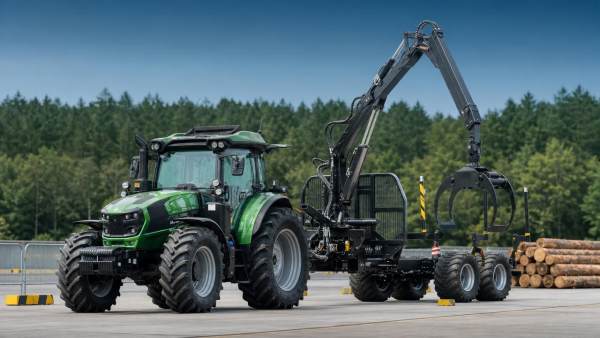
Screening Agri & Forestry machinery manufacturers demands more than comparing catalogs or prices. For business evaluation work, the key task is testing whether a supplier can deliver stable quality, regulatory compliance, and long-term service.
In this market, machinery often operates in harsh environments, seasonal peaks, and remote service regions. That makes supplier screening a risk-control exercise, not only a sourcing exercise.
A strong shortlist of Agri & Forestry machinery manufacturers should reflect application fit, technical evidence, production discipline, and transparent after-sales capability. The sections below break the process into practical screening scenarios.
When the project involves heavy field use, durability becomes the first filter
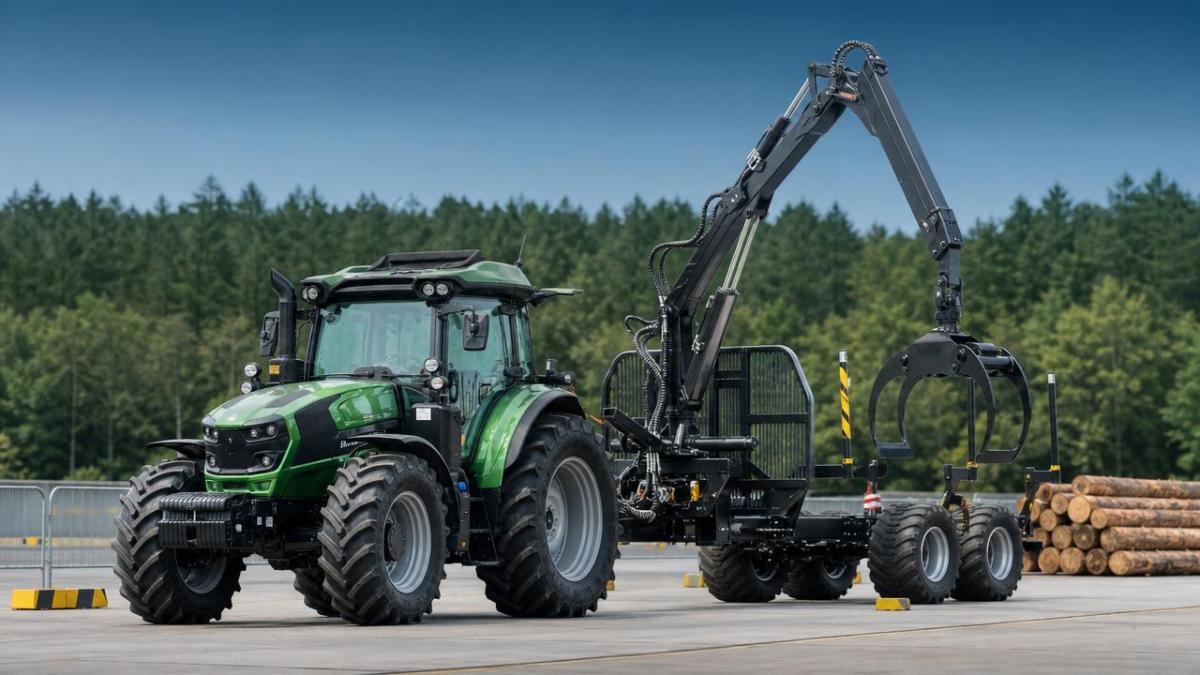
Field tractors, harvesters, mulchers, skidders, and chippers face vibration, dust, mud, heat, and uneven loads. In this scenario, the screening priority is proven durability under real operating stress.
Ask Agri & Forestry machinery manufacturers for endurance test records, failure-rate data, gearbox specifications, hydraulic system brands, and material traceability. Marketing claims without test evidence should not pass the first review.
Core judgment points for heavy-duty applications
- Frame steel grade and welding consistency
- Engine emissions standard and power reserve
- Hydraulic hose, pump, and seal supplier quality
- Bearing life, dust protection, and lubrication design
- Availability of spare parts in peak season
For forestry equipment, safety shielding and load-handling stability matter even more. A machine that performs well in a demo may still fail under continuous timber handling or steep terrain conditions.
When exports or regulated markets are involved, compliance decides supplier viability
Some buying scenarios target local use only. Others require entry into highly regulated regions. In the second case, compliance documentation becomes a make-or-break factor during screening.
Reliable Agri & Forestry machinery manufacturers should provide CE-related files where relevant, emissions certificates, operator safety instructions, factory audit support, and component conformity records.
Documents worth checking before commercial negotiation
- Business licenses and export registrations
- ISO-related quality system evidence
- Emissions and safety certificates by target market
- Inspection reports for critical assemblies
- Warranty policy and claims handling workflow
Screening should also confirm whether certificates belong to the exact model, not a similar unit. Mismatched certification is a common weakness among weak Agri & Forestry machinery manufacturers.
When custom attachments are required, engineering depth matters more than price
Many projects need machine adaptation for orchards, hillside farming, plantation management, biomass handling, or mixed forestry operations. Here, the best supplier is usually not the cheapest standard-equipment source.
The right Agri & Forestry machinery manufacturers should demonstrate CAD capability, prototype speed, hydraulic interface knowledge, and a clear engineering change process. Custom work without version control creates costly errors.
Questions that reveal real customization capacity
- Can the factory modify track width, clearance, or attachment mounts?
- How are prototype tests documented and approved?
- Which components remain standard and which are redesigned?
- How are spare parts coded for custom builds?
A capable supplier can explain tolerances, compatibility limits, and expected wear changes. Weak suppliers usually answer with broad promises rather than engineering specifics.
When the order size is large, supply chain transparency becomes a critical scenario
Large fleet purchases increase exposure to delayed delivery, uneven quality, and parts shortages. In this scenario, screening Agri & Forestry machinery manufacturers must include upstream supplier control.
Check whether the manufacturer relies on stable engine, transmission, tire, axle, and electronic control partners. A factory that cannot name core suppliers probably cannot control consistency.
Signals of a transparent production system
- Batch tracking for frames, engines, and hydraulic systems
- Incoming inspection records for outsourced parts
- Documented assembly checkpoints
- Load testing before shipment
- Photographic or digital production traceability
This is especially important when comparing multiple Agri & Forestry machinery manufacturers with similar quotations. The visible difference is often small, but the hidden process risk can be substantial.
Different use scenarios require different screening standards
A shortlist should reflect operating context. The same manufacturer may be excellent for one use case and weak for another. Screening must therefore align with the real working scenario.
How to match Agri & Forestry machinery manufacturers to each sourcing situation
A practical method is to score each supplier against scenario-based requirements. This prevents a polished presentation from outweighing measurable capability.
Suggested screening framework
This structure helps compare Agri & Forestry machinery manufacturers on evidence, not assumptions. It also supports cleaner internal approval and more defensible final selection.
Common screening mistakes that weaken supplier selection
One frequent mistake is treating all machinery categories alike. A supplier strong in seeding equipment may not be equally strong in logging or biomass machinery.
Another mistake is overvaluing sample appearance. Paint finish and showroom presentation do not prove assembly discipline, fatigue resistance, or spare parts readiness.
Many evaluations also ignore after-sales structure. Good Agri & Forestry machinery manufacturers should show parts lists, service timelines, and escalation procedures before shipment.
A final risk is failing to validate references by similar application. Feedback from light seasonal use does not predict performance in demanding, multi-shift field operations.
What to do next for a more dependable manufacturer shortlist
Start with a scenario map. Define terrain, operating hours, compliance destination, customization level, and service expectations. Then rank Agri & Forestry machinery manufacturers against those exact conditions.
Next, build a verification file for each candidate. Include factory evidence, technical sheets, quality records, component brands, and support commitments in one review format.
Finally, narrow the list through structured comparison, not price-first negotiation. The best Agri & Forestry machinery manufacturers are usually the ones that reduce lifecycle risk, not just upfront cost.
In a market shaped by performance pressure and compliance demands, disciplined screening creates stronger sourcing outcomes. It also builds confidence that every shortlisted supplier can support long-term operational success.
Related Intelligence
- Heavy Agri MachineryEvaluating Farm Equipment Distributors: Parts Availability and Service CoverageCompare farm equipment distributors on critical parts availability, service coverage, and repair response. Learn what to verify before buying to reduce costly downtime.
- Heavy Agri MachineryHow Does Market Forecasting Help Plan Farm Machinery Procurement?How does market forecasting help agri procurement planning? Discover how to time machinery purchases, protect cash flow, and reduce delivery risks before critical farm deadlines.
- Heavy Agri MachineryIs It Safe to Source Farm Machinery from Emerging Markets?Is it safe to source agri machinery from emerging markets? Discover how to verify suppliers, check compliance, and secure parts support to protect your farm and avoid costly buying mistakes.
The Morning Broadsheet
Daily chemical briefings, market shifts, and peer-reviewed summaries delivered to your terminal.
