

The Authority in Global Agricultural Chemistry & Bio-Resources
Agri & Forestry machinery specifications that affect uptime
For technical evaluators, Agri & Forestry machinery specifications are not passive catalog entries. They shape uptime, fault frequency, service access, operator consistency, and long-term ownership cost in real working conditions.
In agriculture and forestry, machinery often runs under dust, heat, vibration, mud, slope, and extended load cycles. Under those conditions, specification choices influence whether a machine keeps working or stops unexpectedly.
A careful reading of engine output, hydraulic flow, transmission architecture, filtration design, cooling capacity, and component access can reveal far more than price sheets suggest. It can predict service intervals, parts interchangeability, and fleet reliability.
Core meaning of Agri & Forestry machinery specifications
Agri & Forestry machinery specifications describe the technical limits, capacities, tolerances, and service features that define how a machine performs within a working system.
These specifications usually include engine power, torque rise, hydraulic pressure, lift capacity, transmission type, axle load, PTO ratings, tire configuration, fuel system, and electronic control architecture.
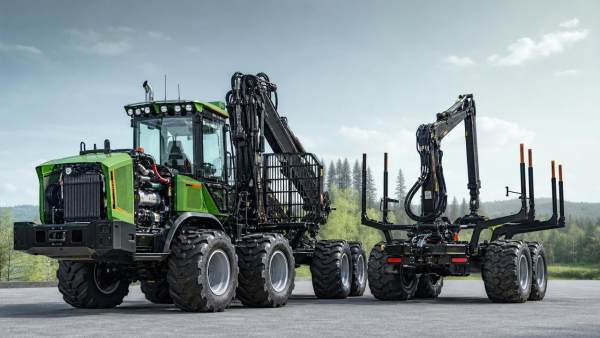
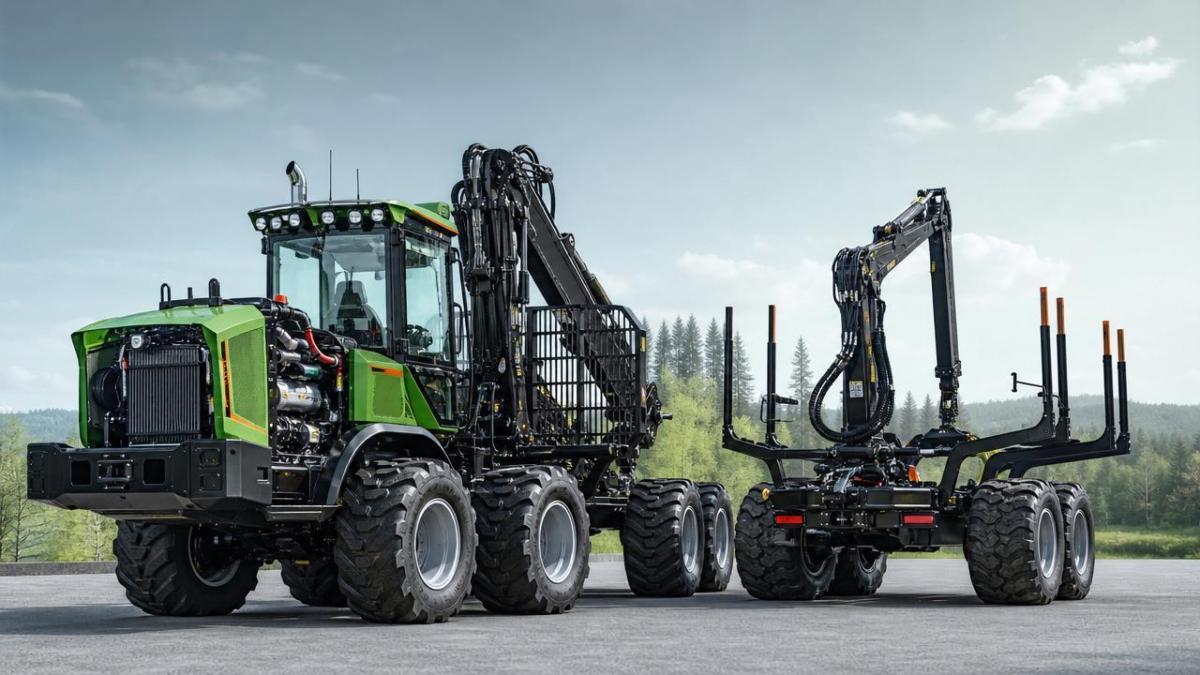
In forestry equipment, they also cover guarding, boom geometry, crane reach, traction systems, undercarriage durability, winch ratings, and cooling protection against debris accumulation.
The most useful interpretation connects each specification to failure risk. A machine with strong published output may still deliver poor uptime if heat rejection, hose routing, filter access, or sealing standards are weak.
That is why reliable specification analysis goes beyond headline horsepower. It studies how subsystems interact during field work, transport movement, repeated attachment changes, and daily maintenance routines.
Why the industry is focusing on uptime-driven specifications
Across the broader primary industries landscape, machine downtime now creates larger indirect losses than before. Labor scheduling, harvest timing, fuel usage, rental substitution, and delayed processing all magnify the impact.
Modern fleets also depend on tighter integration with attachments, telematics, emissions controls, and regional compliance rules. This makes Agri & Forestry machinery specifications central to technical due diligence.
- Higher utilization rates are exposing weak cooling, filtration, and drivetrain margins.
- Mixed fleets require better parts compatibility and standardized service procedures.
- Regulated engines add sensors and aftertreatment systems that affect fault patterns.
- Remote worksites increase the cost of every avoidable shutdown.
- Attachment-intensive operations demand stronger hydraulic and electrical interfaces.
As a result, the best technical reviews compare published specifications with serviceability, diagnostics, contamination resistance, and real environmental tolerance, not just nominal capacity.
Specifications that most directly affect uptime
Engine output and torque behavior
Rated horsepower matters, but torque curve shape matters more in variable load conditions. Strong low-speed torque reduces stalling, gear hunting, and stress during pulling, climbing, mulching, and heavy PTO work.
A generous torque rise can protect uptime because the machine maintains working speed without constant operator correction. That reduces thermal spikes and unnecessary drivetrain shock.
Hydraulic flow, pressure, and heat control
Hydraulic specifications are among the most decisive Agri & Forestry machinery specifications. Insufficient flow slows cycle times, while inadequate pressure limits force and attachment responsiveness.
However, uptime often depends on oil cleanliness, hose protection, reservoir sizing, and cooler design. A machine may meet flow targets but still suffer seal wear or overheating under continuous attachment demand.
Transmission and drivetrain design
Mechanical, powershift, CVT, and hydrostatic systems each present different uptime profiles. The correct choice depends on duty cycle, terrain variation, transport frequency, and operator habits.
Drivetrain durability improves when axle ratings, final drives, clutch pack capacity, and lubrication systems match true field loads rather than ideal laboratory assumptions.
Cooling package and filtration
Dust, chaff, bark, and resin attack uptime through blocked coolers and contaminated air systems. Cooling package layout and filter service access strongly influence daily reliability.
Machines with reversible fans, debris screens, separated cooler cores, and high-capacity filtration usually maintain performance longer between cleaning intervals.
Maintenance accessibility
Service intervals only create value when technicians can complete them quickly. Access to filters, grease points, belts, coolant drains, and diagnostic ports is a critical uptime specification.
Poor accessibility delays preventive maintenance. Delays then become contamination, overheating, or lubrication failures that appear later as unplanned downtime.
Industry signals that help interpret specification quality
This kind of structured review helps translate Agri & Forestry machinery specifications into realistic uptime expectations across farms, plantations, logging zones, and primary processing support sites.
Business value of specification-led evaluation
The strongest benefit is lifecycle clarity. Technical specifications help estimate not only performance, but also preventive service burden, spare parts stocking needs, and compatibility across existing implements.
This matters in mixed operations where one machine may mow, lift, haul, chip, spray, or power hydraulic attachments across multiple seasons and site conditions.
When Agri & Forestry machinery specifications are assessed properly, operations can reduce emergency callouts, shorten service windows, and limit productivity losses caused by under-matched equipment.
- Better forecasting of wear components and consumables
- Improved attachment matching and hydraulic efficiency
- Lower risk of overheating in seasonal peak periods
- More consistent operator output across shifts
- Stronger residual value through documented service suitability
Typical machinery categories and specification priorities
Practical guidance for reading Agri & Forestry machinery specifications
Start by linking every specification to the actual duty cycle. Ask how long the machine works continuously, which attachments it powers, what slopes it faces, and how often debris blocks cooling paths.
Next, separate peak numbers from continuous performance. Many uptime problems appear when machines repeatedly operate near maximum load, not during short demonstration periods.
- Verify continuous hydraulic demand against pump capacity and oil cooling.
- Check filter sizes, service intervals, and access time for daily maintenance.
- Review axle, frame, and hitch ratings under real payload conditions.
- Confirm diagnostic support for sensors, control units, and emissions systems.
- Compare attachment interface standards across the fleet.
This approach turns Agri & Forestry machinery specifications into a practical reliability tool rather than a static comparison sheet.
Operational considerations that are often overlooked
Electronic architecture deserves closer attention. Sensor networks, software calibration, and fault-code visibility influence repair speed, especially when machines work far from central workshops.
Ground clearance, shielding, hose routing, and connector sealing also matter. These details are sometimes absent from headline brochures, yet they often determine field survivability.
Another overlooked factor is service standardization. If filters, fluids, belts, and fittings align with existing stock, downtime recovery becomes faster and less expensive.
Next-step evaluation framework
A disciplined review of Agri & Forestry machinery specifications should combine published data, field conditions, maintenance access, and compatibility with current equipment ecosystems.
Build a comparison sheet that ranks machines by thermal margin, hydraulic suitability, drivetrain fit, daily service ease, and parts commonality. Then validate those points against expected annual utilization.
For organizations following technical coverage from AgriChem Chronicle, this specification-led method supports more defensible decisions, stronger uptime planning, and better alignment between equipment capability and operational reality.
Related Intelligence
- Heavy Agri MachineryEvaluating Farm Equipment Distributors: Parts Availability and Service CoverageCompare farm equipment distributors on critical parts availability, service coverage, and repair response. Learn what to verify before buying to reduce costly downtime.
- Heavy Agri MachineryHow Does Market Forecasting Help Plan Farm Machinery Procurement?How does market forecasting help agri procurement planning? Discover how to time machinery purchases, protect cash flow, and reduce delivery risks before critical farm deadlines.
- Heavy Agri MachineryIs It Safe to Source Farm Machinery from Emerging Markets?Is it safe to source agri machinery from emerging markets? Discover how to verify suppliers, check compliance, and secure parts support to protect your farm and avoid costly buying mistakes.
The Morning Broadsheet
Daily chemical briefings, market shifts, and peer-reviewed summaries delivered to your terminal.
