

The Authority in Global Agricultural Chemistry & Bio-Resources
Why Feed & Grain processing technology upgrades stall
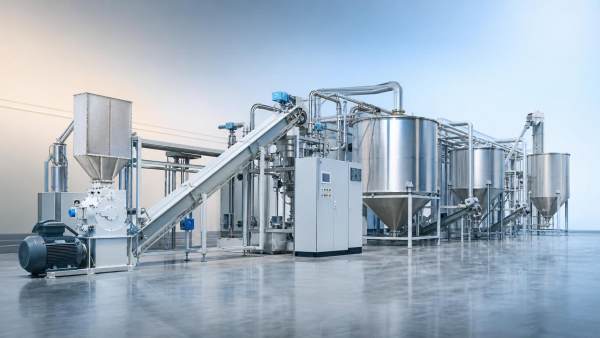
Despite proven gains in yield, traceability, and energy control, many Feed & Grain processing technology upgrade plans slow down before execution.
The pattern is visible across primary processing, chemicals-linked agriculture, and integrated food supply networks.
Budget pressure matters, but it rarely explains the full delay.
More often, projects stall where plant engineering, compliance, data architecture, and operational continuity intersect.
Understanding why Feed & Grain processing technology upgrades stall helps convert technical ambition into phased, bankable delivery.
Upgrade interest is rising, yet execution remains uneven
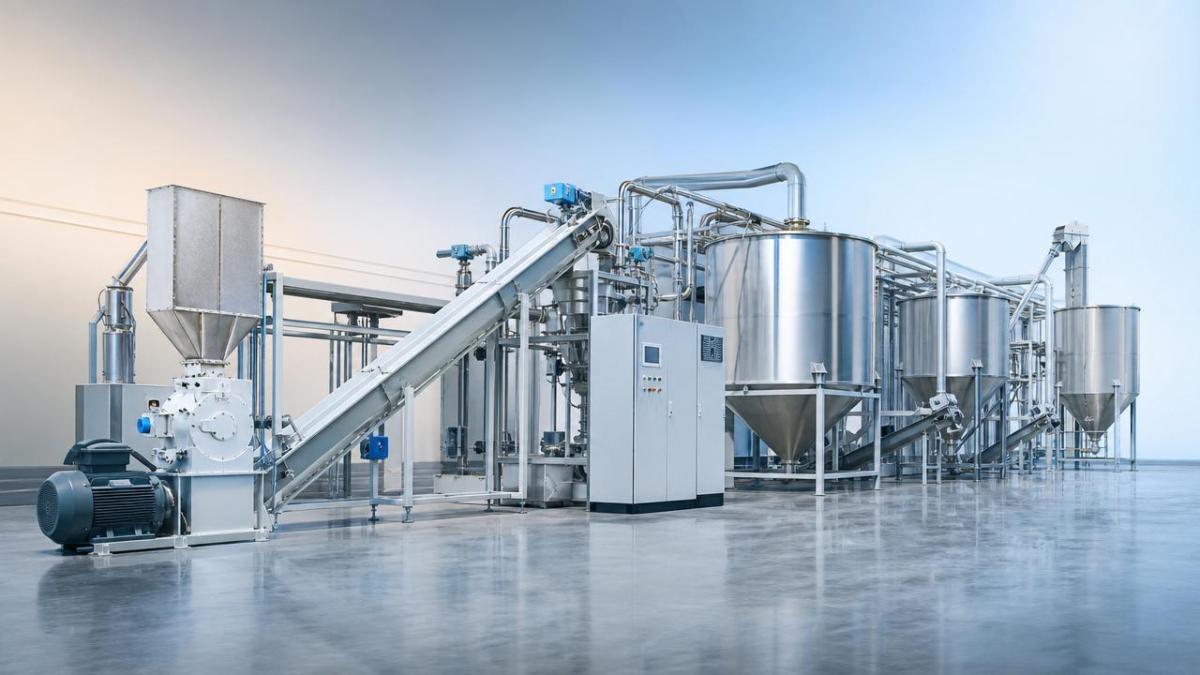
Feed & Grain processing technology is moving from isolated machinery improvements toward connected production systems.
Plants increasingly evaluate sensor networks, automated batching, inline quality control, emissions monitoring, and digital maintenance tools together.
This shift reflects broader industrial expectations around waste reduction, standardization, and resilient throughput.
However, interest in modern Feed & Grain processing technology does not automatically translate into approved capital programs.
In many facilities, feasibility studies appear strong on paper, then lose momentum during detailed design or commercial review.
That gap matters because delayed modernization can widen cost disadvantages and increase compliance exposure over time.
The strongest trend signals point to complexity, not hesitation
The slowdown is not usually caused by disbelief in technology value.
It is more often caused by the rising complexity of implementing Feed & Grain processing technology inside live operating environments.
Several signals explain the current environment:
- Legacy plants must integrate digital control without extended shutdowns.
- Environmental and food safety documentation requirements continue to expand.
- Energy price volatility changes expected payback windows.
- Data visibility is improving, but plant data quality often remains inconsistent.
- Equipment supply chains still create delivery uncertainty for specialized components.
These conditions make Feed & Grain processing technology projects harder to sequence, justify, and de-risk.
Why Feed & Grain processing technology upgrades stall in practice
The causes usually combine technical, financial, and operational factors rather than one obvious failure point.
Each barrier can slow Feed & Grain processing technology adoption even when headline economics appear attractive.
Integration risk remains the most underestimated issue
A new grinder, pellet line, or weighing platform may work perfectly as standalone equipment.
Problems emerge when that asset must synchronize with older motors, plant PLC logic, and uneven upstream material flow.
Feed & Grain processing technology upgrades often fail at interface points, not at the core equipment itself.
Compliance expands project scope after early approval
Plants may begin with a productivity objective, then discover that safety interlocks, hygienic design, and emissions controls must also be upgraded.
That scope growth changes cost, schedule, documentation, and contractor requirements.
In highly regulated supply chains, Feed & Grain processing technology cannot be treated as a simple mechanical replacement.
The impact spreads across production, quality, and commercial planning
When upgrades stall, the consequences reach far beyond delayed equipment installation.
Production systems remain exposed to higher rework, inconsistent throughput, and avoidable maintenance costs.
Quality systems lose the benefit of real-time data capture and tighter process repeatability.
Commercial planning also suffers because output forecasts remain tied to less predictable operating conditions.
- Higher unit costs from inefficient energy and material usage.
- Reduced traceability confidence during audits or customer verification.
- Longer recovery times after breakdowns or specification drift.
- Difficulty scaling specialty formulations or tighter output standards.
In other words, delayed Feed & Grain processing technology investment can become a structural competitiveness issue.
The most important evaluation points are becoming clearer
The market is moving toward more disciplined upgrade screening.
Instead of asking whether new Feed & Grain processing technology is desirable, the better question is whether the site is implementation-ready.
Key points to assess include:
- Data baseline quality for throughput, waste, moisture, and downtime.
- Compatibility between proposed controls and installed equipment architecture.
- Regulatory documentation needed before commissioning begins.
- Operator training load during transition periods.
- Spare parts, service support, and software maintenance availability.
- Shutdown window realism and contingency planning.
These factors improve the practical success rate of Feed & Grain processing technology projects more than headline specification comparisons alone.
A phased response usually outperforms all-at-once modernization
Large transformation programs often stall because they bundle too many dependencies into one approval event.
A phased model makes Feed & Grain processing technology easier to validate commercially and operationally.
This staged approach aligns Feed & Grain processing technology decisions with real plant conditions rather than optimistic assumptions.
What to do next if an upgrade program has lost momentum
When a project stalls, the immediate goal should be clarity, not acceleration for its own sake.
A practical reset can restore movement in Feed & Grain processing technology planning.
- Rebuild the business case using measured plant losses, not generic vendor benchmarks.
- Separate essential compliance upgrades from optional optimization features.
- Audit every control, utility, and structural interface before final design.
- Define a commissioning plan with training, spares, and fallback procedures.
- Use one pilot area to prove throughput, quality, and downtime assumptions.
Feed & Grain processing technology upgrades succeed when technical ambition is matched by implementation discipline.
Across integrated primary industries, the winners will be those that treat modernization as a structured risk-management exercise.
The next step is simple: identify one stalled decision, quantify the real blocker, and redesign the path in smaller, testable stages.
That is where Feed & Grain processing technology moves from delayed intent to durable operational advantage.
Related Intelligence
- Commercial Feed PelletFire Quickly Extinguished in Grinder Bin at Baiada’s Cardiff Feed Mill in AustraliaBaiada’s Cardiff feed mill fire was reportedly contained quickly. Explore grinder bin safety, restart uncertainties and key supply continuity checks for feed buyers.
- Commercial Feed PelletHow to Build a Sanitary Feed Production Plan That Reduces Cross-ContaminationSanitary feed production planning: reduce cross-contamination with smarter sequencing, validated flushing, material segregation, and traceable sanitation controls.
- Commercial Feed PelletFeed Pellet Mill Sourcing: How to Vet Suppliers for Capacity, Quality, and SupportFeed pellet mill sourcing made smarter: vet suppliers for proven capacity, pellet quality, lifecycle cost, factory controls, commissioning, and reliable after-sales support.
The Morning Broadsheet
Daily chemical briefings, market shifts, and peer-reviewed summaries delivered to your terminal.
