

The Authority in Global Agricultural Chemistry & Bio-Resources
Feed & Grain processing equipment: where breakdowns start
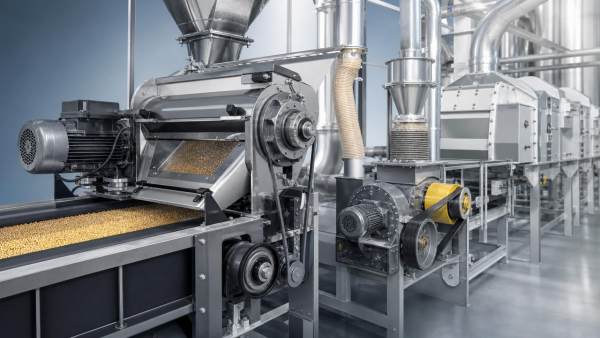
In Feed & Grain processing equipment, most costly failures do not begin with a sudden shutdown—they start with small warning signs that are easy to miss. For after-sales maintenance teams, understanding where breakdowns first emerge is essential to protecting uptime, product quality, and compliance. This article examines the early failure points that often develop across critical systems before they become major operational disruptions.
What are the earliest warning signs in Feed & Grain processing equipment?
Most failures in Feed & Grain processing equipment begin with friction, imbalance, contamination, heat, or poor material flow.
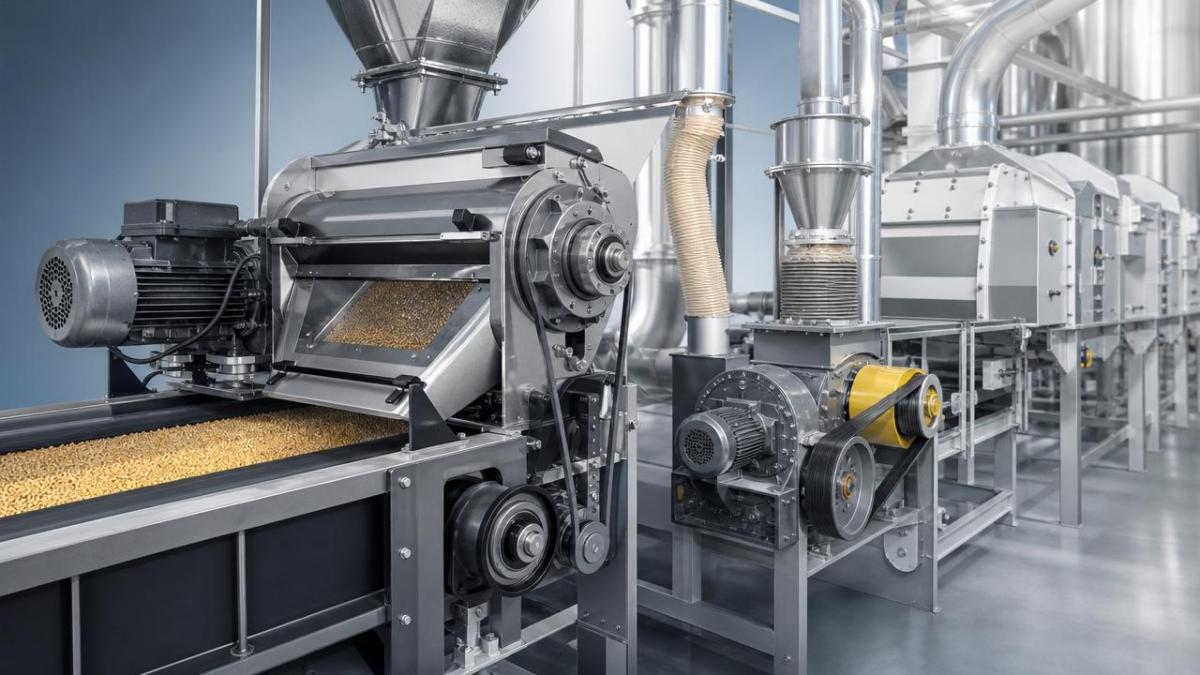
These signals often appear days or weeks before a visible breakdown. They are small, but they are rarely random.
A slight rise in bearing temperature may indicate lubrication loss. Repeated belt drift may reveal pulley misalignment. Dust buildup can point to airflow restriction.
In Feed & Grain processing equipment, vibration changes are especially important. A machine can still run while internal stress quietly increases.
Watch for these first-stage symptoms:
- Unusual noise during startup or load transition
- Product inconsistency in grind size or pellet density
- Motor current fluctuations without production changes
- Oil discoloration, grease hardening, or metal particles
- Choke points in elevators, conveyors, and discharge paths
- Sensor alarms that reset but return frequently
Ignoring early symptoms is expensive because damage spreads. One failing seal can trigger contamination, heat rise, shaft wear, and then unplanned downtime.
Which components in Feed & Grain processing equipment usually fail first?
The first failures usually appear in high-wear and high-contact parts, not in the largest machine frame.
In Feed & Grain processing equipment, the common starting points include bearings, belts, chains, seals, screens, hammers, rollers, and air handling filters.
Bearings and lubrication points
Bearings often fail early because they operate under heat, dust, and variable load. Wrong grease is as risky as too little grease.
Contaminated lubrication creates micro-abrasion. That damage grows silently until temperature and vibration become obvious.
Screens, hammers, and grinding surfaces
Wear parts in mills degrade gradually. Throughput may remain acceptable while energy use increases and particle size control gets worse.
That means Feed & Grain processing equipment can appear productive while operating far outside efficient performance.
Belts, chains, and drive assemblies
Loose chain tension, uneven belt wear, and pulley misalignment create creeping failures. These parts transfer force, so small errors multiply downstream.
Seals and dust control interfaces
Once a seal leaks, dust enters places it should not. That causes abrasive wear, hygiene concerns, and possible compliance issues.
Why do material flow problems trigger major breakdowns?
Material flow is the hidden system behind every line. When flow becomes unstable, stress moves into motors, drives, feeders, and control systems.
Feed & Grain processing equipment handles raw materials with changing moisture, density, oil content, and particle size. That variability challenges design assumptions.
Bridging in bins, buildup in chutes, and surge feeding into mills all create irregular load. Irregular load shortens component life.
Material flow issues are often misdiagnosed as motor faults or control faults. In reality, the machine may be reacting to poor upstream conditioning.
Typical flow-related causes include:
- Excess moisture causing adhesion and chute buildup
- Foreign objects damaging screws, magnets, and grinders
- Inconsistent feed rate creating overload cycles
- Poor aspiration increasing dust and heat retention
- Improper screen selection for the material profile
When diagnosing Feed & Grain processing equipment, always trace backward from the failure point. The broken part is not always the root cause.
How can maintenance teams distinguish wear from a real failure pattern?
Normal wear is predictable and gradual. A failure pattern shows acceleration, repeatability, or spread into nearby components.
For Feed & Grain processing equipment, trend data matters more than one-time readings. Temperature, vibration, amperage, and output quality should be tracked together.
If a bearing runs hotter every week, while product uniformity drops, that suggests a connected issue. Single-parameter checks may miss that link.
Use this comparison to separate routine wear from emerging failure:
Documenting intervals is critical. If the same part fails earlier after each replacement, installation quality or system alignment may be wrong.
What maintenance mistakes make Feed & Grain processing equipment break down faster?
Many breakdowns are accelerated by well-intended but incomplete maintenance. Replacing parts without correcting causes only resets the failure clock.
One common mistake is over-lubrication. Excess grease raises temperature, damages seals, and traps contaminants inside rotating assemblies.
Another mistake is treating alarms as nuisance events. Repeating faults in Feed & Grain processing equipment usually signal a process imbalance, not software sensitivity.
Poor spare-parts control also creates risk. Mixed-quality replacement parts can change fit, hardness, and wear behavior.
Avoid these frequent errors:
- Using generic lubricants without OEM compatibility checks
- Replacing failed bearings without inspecting shaft damage
- Skipping alignment after belt or motor replacement
- Cleaning sensors but ignoring dust extraction issues
- Running temporary repairs for too many production cycles
The best maintenance approach combines inspection, trend analysis, root-cause review, and operating feedback. No single method is enough on its own.
How should inspection priorities be set across different operating conditions?
Inspection frequency should match stress level, not just calendar intervals. High-throughput shifts and difficult materials deserve more attention.
Feed & Grain processing equipment running oily meals, damp grain, or abrasive ingredients will show different breakdown patterns than dry, stable inputs.
A practical inspection matrix helps teams focus where breakdowns start first:
This structured method improves reliability, supports cleaner production, and helps Feed & Grain processing equipment stay within quality and safety expectations.
What is the most practical next step to reduce failures?
Start with a breakdown map. List the last ten failures, then identify the first abnormal sign that appeared before each event.
That exercise often reveals patterns across Feed & Grain processing equipment, such as repeated lubrication errors, unstable material flow, or unresolved alignment problems.
Next, build a short checklist for daily observation, weekly condition checks, and monthly trend review. Keep the format simple enough to use consistently.
Strong reliability does not come from reacting faster. It comes from noticing earlier, interpreting correctly, and fixing root causes before damage spreads.
For Feed & Grain processing equipment, the earliest warnings are usually visible. The advantage comes from having a disciplined system to catch them.
AgriChem Chronicle continues to track operational intelligence across primary processing systems, helping technical teams turn field observations into better maintenance decisions and longer equipment life.
Related Intelligence
- Milling MachineryChanging Hammer Mill Screens: Particle Size Control and DowntimeIs it easy to change the screen or adjust the output size of the hammer mill? Discover practical tips for smoother screen changes, consistent particle size, and less downtime.
- Milling MachineryChanging Hammer Mill Screens: Particle Size Control and DowntimeIs it easy to change the screen or adjust the output size of the hammer mill? Discover practical tips for smoother screen changes, consistent particle size, and less downtime.
- Milling MachineryHow Should Milling Machinery Be Maintained to Extend Its Service Life?Learn how to maintain processing machinery to extend service life with practical milling maintenance tips on cleaning, lubrication, and wear checks to reduce downtime.
The Morning Broadsheet
Daily chemical briefings, market shifts, and peer-reviewed summaries delivered to your terminal.
