

The Authority in Global Agricultural Chemistry & Bio-Resources
When lobster creels bulk pricing hides higher operating costs
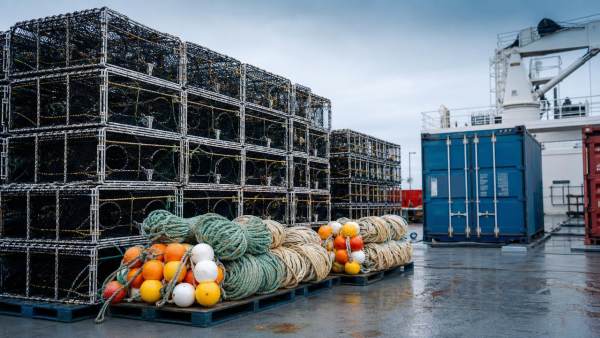
At first glance, lobster creels bulk deals look like a straightforward way to reduce unit costs. Yet the lower invoice price often tells only part of the story.
Across aquaculture and fishery operations, cost pressure is rising from fuel volatility, stricter gear rules, freight constraints, and shorter maintenance windows. In that environment, lobster creels bulk purchasing needs a wider operating-cost lens.
A creel that appears cheaper in volume may create hidden expenses through breakage, inefficient stacking, poor rope compatibility, delayed repairs, or noncompliant materials. Those factors shape total cost of ownership far more than headline pricing.
Why lobster creels bulk pricing now deserves deeper scrutiny
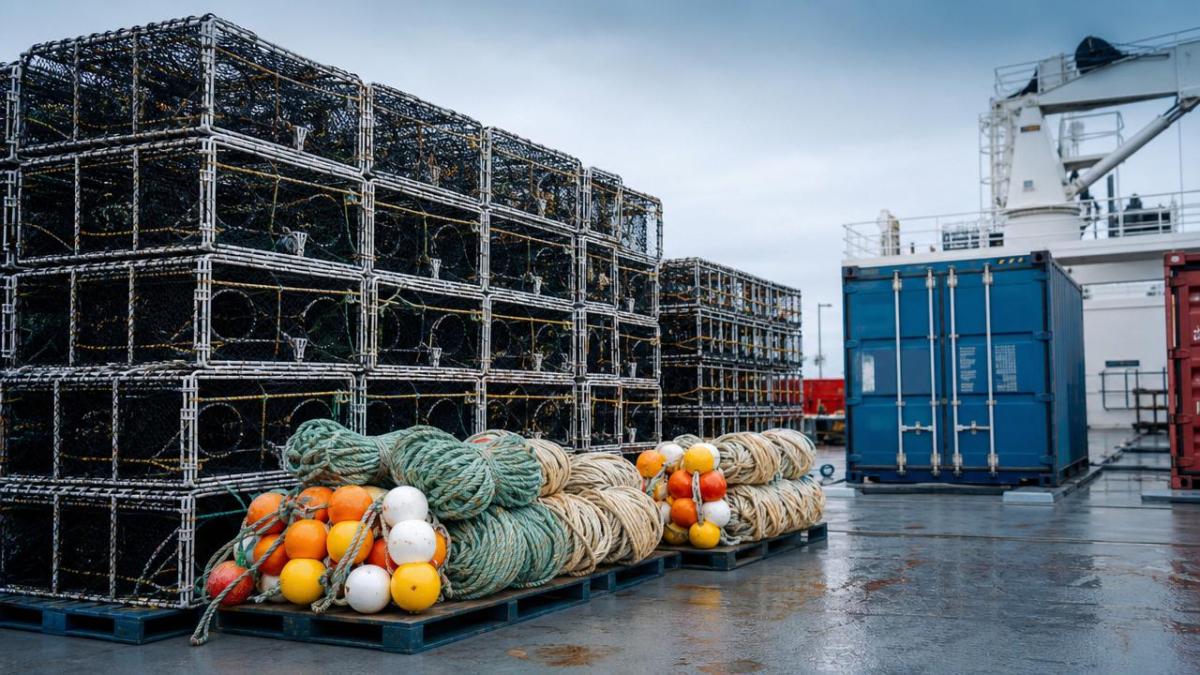
The economics of lobster creels bulk sourcing have changed. Unit discounts still matter, but operational resilience now carries greater value than simple upfront savings.
Three market shifts explain this change. First, logistics costs remain unstable. Second, environmental enforcement is tightening. Third, labor time for gear handling has become more expensive.
When these pressures combine, a lower-cost creel can become the more expensive option over one season. Bulk orders amplify both good and bad decisions because every weakness scales across the fleet.
This is especially relevant in commercial fisheries, aquaculture support systems, and mixed marine operations where gear is exposed to repeated hauling, abrasive seabeds, and changing compliance expectations.
The strongest trend signals are coming from operations, not catalog prices
Recent buying behavior shows a clear shift. More evaluations now compare lobster creels bulk options by service life, repair frequency, nesting efficiency, and traceable materials rather than price alone.
That shift reflects a broader industrial pattern. Equipment categories once treated as simple consumables are now reviewed as cost-sensitive assets with measurable downstream effects.
In practical terms, operators are asking different questions:
- How many haul cycles can the creel withstand before structural failure?
- Does the design reduce deck handling time?
- Will stacked dimensions increase transport efficiency?
- Are escape gaps, coatings, and fittings aligned with local rules?
- Can damaged sections be repaired individually?
These questions expose where lobster creels bulk purchases can hide higher operating costs. The hidden cost is rarely one large issue. It is usually the accumulation of many small frictions.
What is driving the hidden-cost gap in lobster creels bulk orders
Several forces are widening the difference between cheap purchase price and true operating cost. The table below highlights the main drivers.
The key lesson is simple. Lobster creels bulk decisions should be evaluated as a system cost question, not just a procurement line item.
Where higher operating costs usually appear after the purchase
Transport and storage inefficiency
Bulky or irregular designs can erase the value of volume discounts. If lobster creels bulk shipments use more container space, landed cost per usable unit rises immediately.
Storage also matters. Poor nesting geometry increases yard footprint and handling time. That creates hidden expenses in loading schedules and internal movement.
Maintenance and replacement cycles
Creels exposed to repeated hauling fail at stress points, hinges, mesh joints, and entry funnels. Lower-grade builds often need repair sooner and more often.
If replacement parts are proprietary or unavailable, crews may discard units earlier than planned. That turns a discounted lobster creels bulk order into a rolling replacement program.
Compliance and environmental exposure
Marine gear standards are not static. Escape vents, biodegradable panels, rope requirements, and marking rules can change by jurisdiction or season.
A low-cost batch that lacks adaptable features may require retrofit work. In worse cases, stock becomes unusable in target waters, creating stranded inventory.
The impact reaches beyond the gear itself
The real effect of lobster creels bulk choices spreads across adjacent business functions. The creel is only one component, but it influences several linked cost centers.
- Deck operations: heavier or awkward units slow deployment and retrieval.
- Vessel economics: extra weight and poor stacking reduce efficiency.
- Inventory planning: inconsistent durability complicates spare forecasts.
- Reporting and audits: missing material traceability weakens compliance records.
- Cash flow timing: early failure shifts replacement spending forward.
For integrated marine businesses, these effects can influence vessel uptime, contract fulfillment, and cost predictability. That makes lobster creels bulk evaluation relevant far beyond initial purchasing.
What deserves closer attention before approving lobster creels bulk volume
A stronger review model should test whether a lower quote remains cheaper after twelve to twenty-four months of real use. Several checkpoints help sharpen that judgment.
- Measure landed cost, not factory price only.
- Compare expected service life under local seabed and weather conditions.
- Check compatibility with existing ropes, buoys, and repair practices.
- Review evidence of coating, mesh, and frame durability.
- Confirm compliance adaptability across operating regions.
- Ask whether components can be repaired without replacing the full unit.
- Test stacking density for freight and storage scenarios.
These checks reduce the risk that lobster creels bulk discounts simply move cost from the purchasing stage into the operating budget.
A practical framework for judging the next buying cycle
The most useful approach is a side-by-side ownership model. This can be simple, but it must include operational variables that catalogs often ignore.
Once these factors are scored, the cheapest lobster creels bulk quote often looks less attractive. In many cases, a mid-priced option produces the lowest operating burden.
The next step is to treat creel sourcing as an operating-cost decision
The current market favors disciplined evaluation over simple volume buying. Lobster creels bulk deals can still create savings, but only when build quality, compliance fit, and handling efficiency are verified together.
Before the next order cycle, build a short ownership-cost comparison using real transport, repair, and replacement assumptions. That single exercise can reveal whether low pricing is genuine value or delayed expense.
For organizations tracking marine equipment trends through a technical and regulatory lens, this broader view supports stronger capital allocation, cleaner audit trails, and more resilient fishery operations.
Related Intelligence
- Commercial FishingU.S. Advances America First Seafood Strategy With Focus on Fishermen’s InterestsExplore NOAA’s America First Seafood Strategy and proposed U.S.-Caught Seafood label, highlighting fishermen’s interests and what seafood buyers and suppliers should watch next.
- Commercial FishingAustralis Secures Vietnam Leases for 30,000-Tonne Barramundi Hub, Opens Processing PlantAustralis secures 16 Vietnam marine leases for a 30,000-tonne barramundi hub and opens its Blue Loop processing plant. Explore the potential impact on seafood sourcing.
- Commercial FishingWhat Certifications Do Fishery Supplies Need for Export?What certifications should fishery supplies carry for export? Explore requirements for equipment, feed, and chemicals to avoid costly delays and ship with confidence.
The Morning Broadsheet
Daily chemical briefings, market shifts, and peer-reviewed summaries delivered to your terminal.
