

The Authority in Global Agricultural Chemistry & Bio-Resources
Fish processing machinery that cuts waste, not output
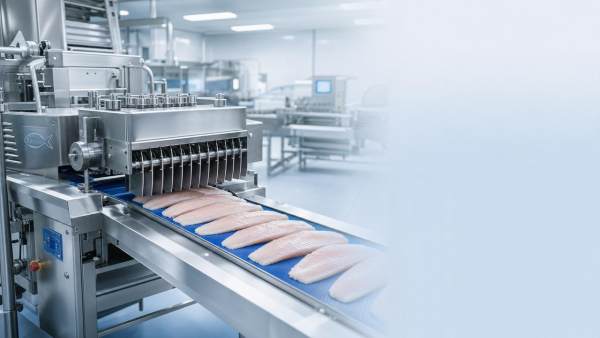
In a market where margins tighten as compliance demands rise, fish processing machinery has become a strategic lever for seafood operations seeking higher yield, cleaner throughput, and lower waste.
The best systems do more than move product faster. They protect flesh quality, reduce giveaway, support traceability, and strengthen long-term operating resilience across mixed production environments.
This guide outlines practical checkpoints for evaluating fish processing machinery that cuts waste, not output, while staying aligned with safety, labor, and maintenance realities.
Why a structured review matters for fish processing machinery
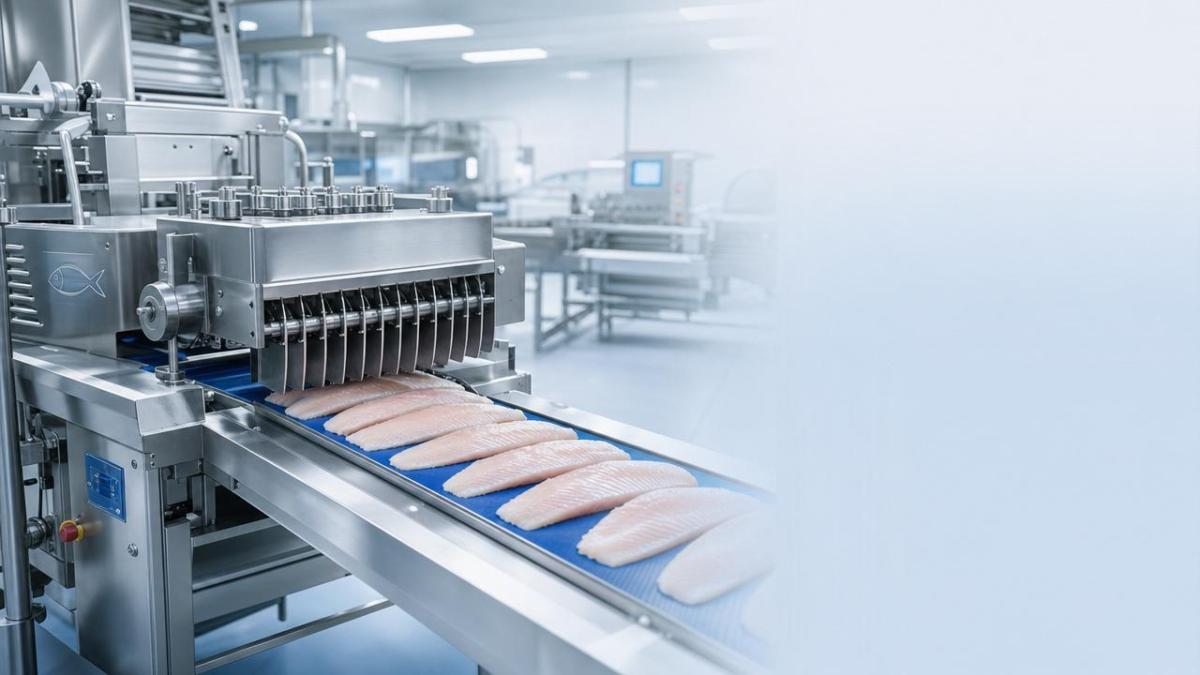
Capital equipment decisions often fail when focus stays on line speed alone. In seafood processing, hidden losses usually come from trim waste, inconsistent cuts, downtime, sanitation delays, and weak data visibility.
A structured review helps compare fish processing machinery on measurable outcomes. That includes yield retention, defect reduction, cleaning time, labor balance, product consistency, and compliance readiness.
It also prevents overbuying. A larger system may raise capacity, yet reduce flexibility if species variation, seasonal volumes, or floor layout do not support stable utilization.
Core points to check before selecting fish processing machinery
Use the following points to assess fish processing machinery in a disciplined way. Each item should be verified with line data, trial runs, sanitation records, and service documentation.
- Confirm actual yield performance by species, size range, and raw material condition, not by brochure averages collected under narrow test conditions.
- Check cut accuracy across variable fish shapes, because poor alignment increases trim loss, downgrades fillet quality, and raises manual rework time.
- Measure throughput at stable quality output, since peak speed means little if flesh damage, missed cuts, or bottlenecks appear downstream.
- Review sanitation design, including open access, tool-free change parts, drainage paths, and cleanability around blades, belts, sensors, and guards.
- Verify material compatibility for salt, moisture, detergents, and cold-room conditions to avoid corrosion, seal failure, and premature wear.
- Assess automation integration with weighing, grading, vision inspection, labeling, and traceability software to reduce manual handling and data gaps.
- Request downtime history, spare-part lead times, and remote support capability because service delays can erase gains from advanced fish processing machinery.
- Check safety protections around moving assemblies, washdown electricals, lockout access, and operator interfaces in wet, cold, high-paced conditions.
- Evaluate footprint, utility demand, and drainage needs so the machine fits existing plant flow without creating congestion or hygiene risks.
- Compare total cost of ownership, including blade life, consumables, labor savings, yield improvement, energy use, and preventive maintenance schedules.
- Test changeover speed between species or product formats if the line handles mixed production instead of one stable output profile.
- Confirm data capture quality for batch records, performance tracking, and audit support when compliance and customer reporting requirements intensify.
A quick comparison framework
Application notes for different operating conditions
Fresh whole fish lines
Fresh product lines depend heavily on gentle handling. Fish processing machinery should minimize pressure points, slipping, and uneven feed that can bruise flesh or distort cut lines.
Key checks include infeed control, size tolerance, and blade precision under variable raw material quality. Small cut errors quickly turn into cumulative yield loss.
Frozen or semi-frozen processing
Frozen applications require tougher components and tighter power stability. Fish processing machinery must handle harder product texture without excessive blade wear or product fracture.
Review motor load tolerance, blade replacement intervals, and operator safety around rigid product handling. Performance claims should be tested under actual temperature conditions.
High-mix processing plants
Plants handling several species need flexible fish processing machinery. Fast adjustments matter more than absolute maximum speed when schedules change by batch, customer spec, or seasonal catch.
Focus on recipe storage, guided setup, and repeatable changeovers. These features reduce operator dependence and protect consistency across short production runs.
Value-added portions and retail packs
Portioning lines need accurate sizing to avoid giveaway and failed pack weights. Fish processing machinery with integrated vision or weighing support often improves retail compliance and margin control.
Check how the system manages uneven fillets, skin condition, and trim recovery. A strong portioning solution should convert offcuts into secondary products instead of waste.
Commonly overlooked issues that raise waste
Ignoring upstream variability
Even advanced fish processing machinery cannot correct poor grading, inconsistent icing, or damaged raw material. Input variation must be addressed before blaming downstream equipment performance.
Underestimating cleaning design
Machines that look compact may hide sanitation traps. If cleaning takes too long or leaves residue zones, waste rises through contamination risk, extended downtime, and avoidable quality holds.
Buying for nominal speed only
A faster cutter can overwhelm trimming, inspection, or packing stations. Fish processing machinery should be matched to the slowest stable point in the full production flow.
Weak service planning
Unexpected downtime becomes expensive in perishable product environments. Without local parts access, preventive schedules, and technician support, waste can spike within a single failed shift.
Limited performance data
When fish processing machinery lacks useful production data, teams cannot trace yield loss to species mix, operator setup, blade condition, or cleaning delays.
Practical steps for implementation
Start with a baseline. Record current yield, trim loss, rework time, downtime, washdown duration, labor allocation, and customer defect rates before comparing equipment options.
Run product trials using real species, real sizes, and real temperature conditions. Ask for multiple passes, not a single best-case demonstration.
Map line compatibility in advance. Include conveyors, graders, checkweighers, drains, utilities, and digital interfaces that affect fish processing machinery performance after installation.
Build a service plan before startup. Stock critical wear parts, define sanitation procedures, and assign performance reviews for the first ninety days.
Useful questions to ask during evaluation
- What verified yield improvement has this fish processing machinery delivered on the same species profile?
- How long does full sanitation take, including disassembly and inspection?
- Which parts fail most often, and what is the normal lead time?
- Can line data export into existing traceability or ERP systems?
- What operator training is required to maintain stable output quality?
Conclusion and next actions
The right fish processing machinery should reduce waste without sacrificing usable output, hygiene control, or production flexibility. That outcome depends on disciplined evaluation, not headline speed claims.
Prioritize measurable yield, sanitation efficiency, data visibility, and service readiness. Those factors usually determine whether fish processing machinery improves margins over the long term.
A practical next step is to create a site-specific scorecard, run controlled product trials, and compare total ownership value across at least two realistic operating scenarios.
For technical sectors covered by AgriChem Chronicle, this evidence-based approach supports stronger capital decisions across seafood processing, primary industries, and regulated industrial supply chains.
Related Intelligence
- Commercial FishingU.S. Advances America First Seafood Strategy With Focus on Fishermen’s InterestsExplore NOAA’s America First Seafood Strategy and proposed U.S.-Caught Seafood label, highlighting fishermen’s interests and what seafood buyers and suppliers should watch next.
- Commercial FishingAustralis Secures Vietnam Leases for 30,000-Tonne Barramundi Hub, Opens Processing PlantAustralis secures 16 Vietnam marine leases for a 30,000-tonne barramundi hub and opens its Blue Loop processing plant. Explore the potential impact on seafood sourcing.
- Commercial FishingWhat Certifications Do Fishery Supplies Need for Export?What certifications should fishery supplies carry for export? Explore requirements for equipment, feed, and chemicals to avoid costly delays and ship with confidence.
The Morning Broadsheet
Daily chemical briefings, market shifts, and peer-reviewed summaries delivered to your terminal.
