

The Authority in Global Agricultural Chemistry & Bio-Resources
What shortens the life of longline fishing gear at sea?
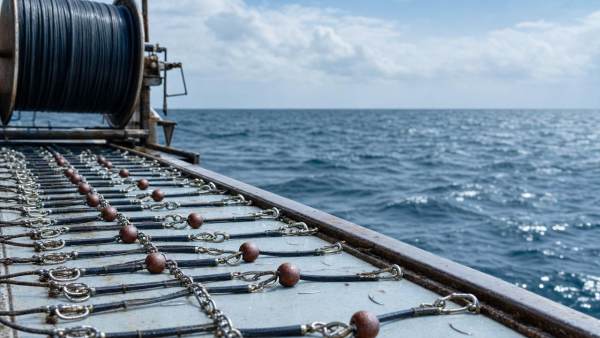
At sea, even well-built longline fishing gear can wear out far earlier than expected. Salt, sunlight, load stress, and rough deck practices often act together.
When crews understand what shortens the life of longline fishing gear, they can reduce breakage, improve catch consistency, and avoid unnecessary replacement costs.
This guide answers the most common questions about longline fishing gear durability, failure points, inspection priorities, and practical ways to extend service life.
What are the main factors that shorten the life of longline fishing gear?
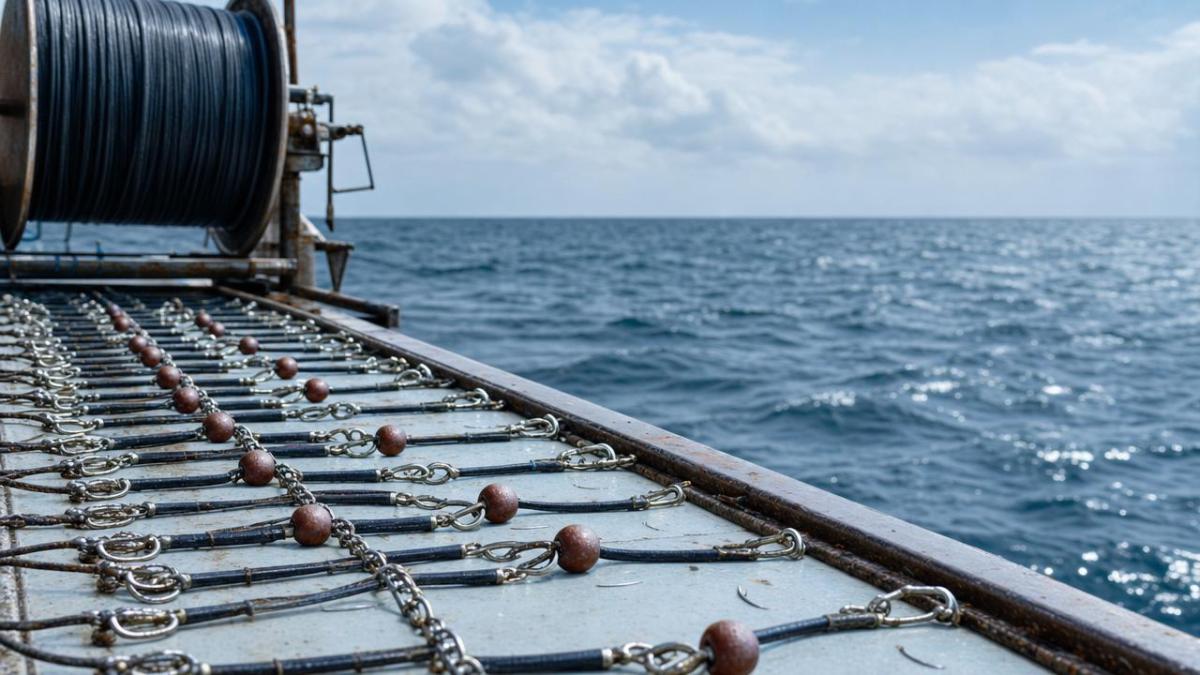
Several forces degrade longline fishing gear faster than operators expect. The biggest causes are corrosion, abrasion, UV damage, overload, biofouling, and weak maintenance routines.
Saltwater is the most constant enemy. It attacks metal swivels, clips, hooks, and connectors, especially where protective coatings have already thinned.
Abrasion is equally destructive. Mainlines rub against haulers, rollers, rails, storage bins, and rough deck surfaces during setting and hauling.
Sun exposure also matters. UV radiation weakens synthetic ropes, branch lines, and floats, causing brittleness, fading, and reduced tensile performance.
Overloading is another common issue. Heavy catch, strong currents, deep sets, and poor line balance create shock loads that shorten longline fishing gear life quickly.
Poor storage accelerates all of these problems. Wet gear left compacted in hot spaces can retain salt, trap moisture, and promote hidden deterioration.
Typical damage sources include:
- Corrosion on metal fittings and hook points
- Chafe on monofilament, rope, and branch line sleeves
- UV degradation on exposed polymer components
- Kinking and memory in improperly coiled lines
- Mechanical damage from hauling equipment misalignment
- Fatigue from repeated high-tension deployments
How does saltwater corrosion damage longline fishing gear over time?
Corrosion rarely causes one dramatic failure first. It usually starts as slow surface attack, then turns into pitting, stiffness, and sudden weakness.
Metal parts on longline fishing gear are especially exposed where moving pieces meet. Swivels, snaps, crimps, and hook shanks often fail at these stress points.
If rinsing is irregular, salt crystals remain after drying. Those deposits hold moisture and keep corrosion active even when gear is not in use.
Galvanic corrosion can also appear when dissimilar metals are combined. In marine environments, one metal may sacrifice itself faster than expected.
Corroded parts also affect line movement. A swivel that stops rotating properly transfers twist into the line, increasing tangles and fatigue.
Warning signs worth checking:
- Orange or dark staining around joints
- Roughness on hook or swivel surfaces
- Stiff rotation or binding in moving parts
- Unexpected line twist after hauling
- Hairline cracking near crimps and terminals
The practical response is simple but disciplined. Rinse with fresh water, dry thoroughly, separate mixed-metal parts where possible, and replace fittings before visible rust becomes structural damage.
Can handling and deployment practices wear out longline fishing gear faster?
Yes. Many failures blamed on material quality actually begin with handling errors. Longline fishing gear loses life quickly when deck procedures are rushed or inconsistent.
Dragging lines across rough steel surfaces causes repeated chafe. Small cuts may seem harmless, but they reduce strength significantly under tension.
Incorrect coiling also matters. Tight bends create memory and kinks in monofilament and branch lines, raising the chance of snapback or uneven bait presentation.
Hauling speed can become a hidden risk. Fast retrieval with poor tension control puts shock loads on hooks, leaders, and mainline connectors.
Gear stacking is another overlooked issue. Heavy bins placed over floats, gangions, or branch lines can permanently deform components between trips.
Crew technique strongly influences service life. Even durable longline fishing gear deteriorates early when handling standards vary from watch to watch.
Good handling habits include:
- Guide lines over smooth rollers, not sharp edges.
- Keep hauling equipment aligned and clean.
- Avoid stepping on lines and terminal assemblies.
- Store gear loosely enough to prevent crushing.
- Use controlled tension during setting and retrieval.
Which environmental conditions are most harmful to longline fishing gear?
Not all marine conditions damage gear equally. Some fishing grounds expose longline fishing gear to a much harsher mix of heat, motion, fouling, and current stress.
Strong UV zones are especially damaging to exposed synthetic materials. Tropical operations often see faster polymer aging than colder, cloudier regions.
High current areas increase drag and tension. That creates more sustained load on anchors, floats, branch lines, and connection hardware.
Heavy seas add cyclic loading. Repeated lifting and dropping by waves causes fatigue, especially where the same joints bend every trip.
Biofouling is often underestimated. Marine growth on lines and floats adds weight, increases drag, and can hide early wear during inspection.
Contaminants such as fuel residue, chemical cleaners, or fish oils may also degrade some materials if left in contact for long periods.
How can inspection and maintenance extend the life of longline fishing gear?
Maintenance works best when it is scheduled, not improvised. Longline fishing gear lasts longer when checks happen before, during, and after each deployment cycle.
A quick visual scan is useful, but it is not enough. Crews should also feel for stiffness, flattening, cuts, corrosion pits, and rough sections.
Inspection should focus on high-stress zones first. These usually include terminal connections, swivels, crimps, branch line loops, and line contact points.
Small repairs done early prevent cascading failure. Replacing one worn connector may protect a much larger section of longline fishing gear from damage.
Drying is just as important as washing. Storing damp gear encourages corrosion, odor, mold, and material breakdown in confined spaces.
A practical maintenance cycle:
- Pre-trip: inspect connectors, hooks, floats, and abrasion zones
- Post-haul: remove fouling and isolate damaged sections
- Washdown: fresh-water rinse all reusable parts
- Drying: ventilate before storage
- Recordkeeping: log recurring failures by position and date
Maintenance records reveal patterns. If one section repeatedly fails, the root cause may be deck layout, current conditions, or an unsuitable component specification.
What mistakes increase costs when replacing longline fishing gear?
The biggest cost mistake is replacing only after failure. Emergency replacement usually means downtime, catch disruption, and damage spreading to adjacent components.
Another mistake is focusing only on purchase price. Lower-cost parts may have shorter service cycles, weaker corrosion resistance, or poor compatibility with existing longline fishing gear.
Mixing incompatible components can also shorten service life. A stronger fitting paired with a weaker line section may shift failure to a less visible point.
Skipping crew standardization is expensive too. If repair methods vary, the same gear type performs differently across trips, making failure analysis difficult.
Storage shortcuts create hidden losses. Replacing weathered inventory that degraded before use adds avoidable cost without improving fishing performance.
FAQ and decision table
The life of longline fishing gear is shortened less by one dramatic event than by repeated exposure, handling stress, and delayed intervention.
A reliable system depends on cleaner storage, controlled deployment, material compatibility, and disciplined maintenance after every trip.
Review the highest-wear sections first, create a simple inspection log, and correct small faults early. That approach protects longline fishing gear performance and lowers operating cost over time.
Related Intelligence
- Commercial FishingU.S. Advances America First Seafood Strategy With Focus on Fishermen’s InterestsExplore NOAA’s America First Seafood Strategy and proposed U.S.-Caught Seafood label, highlighting fishermen’s interests and what seafood buyers and suppliers should watch next.
- Commercial FishingAustralis Secures Vietnam Leases for 30,000-Tonne Barramundi Hub, Opens Processing PlantAustralis secures 16 Vietnam marine leases for a 30,000-tonne barramundi hub and opens its Blue Loop processing plant. Explore the potential impact on seafood sourcing.
- Commercial FishingWhat Certifications Do Fishery Supplies Need for Export?What certifications should fishery supplies carry for export? Explore requirements for equipment, feed, and chemicals to avoid costly delays and ship with confidence.
The Morning Broadsheet
Daily chemical briefings, market shifts, and peer-reviewed summaries delivered to your terminal.
