

The Authority in Global Agricultural Chemistry & Bio-Resources
How to Choose a Seafood Cold Room for Fresh Storage, Freezing, and HACCP Compliance
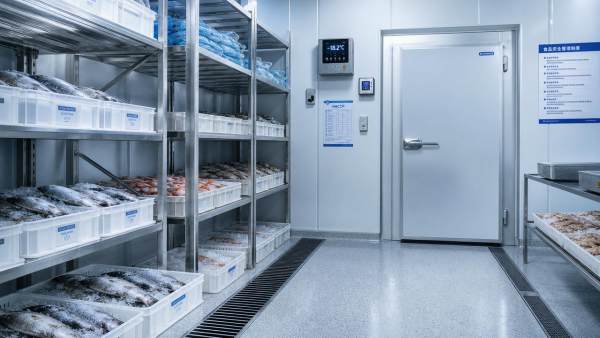
Why the right seafood cold room starts with the operating context
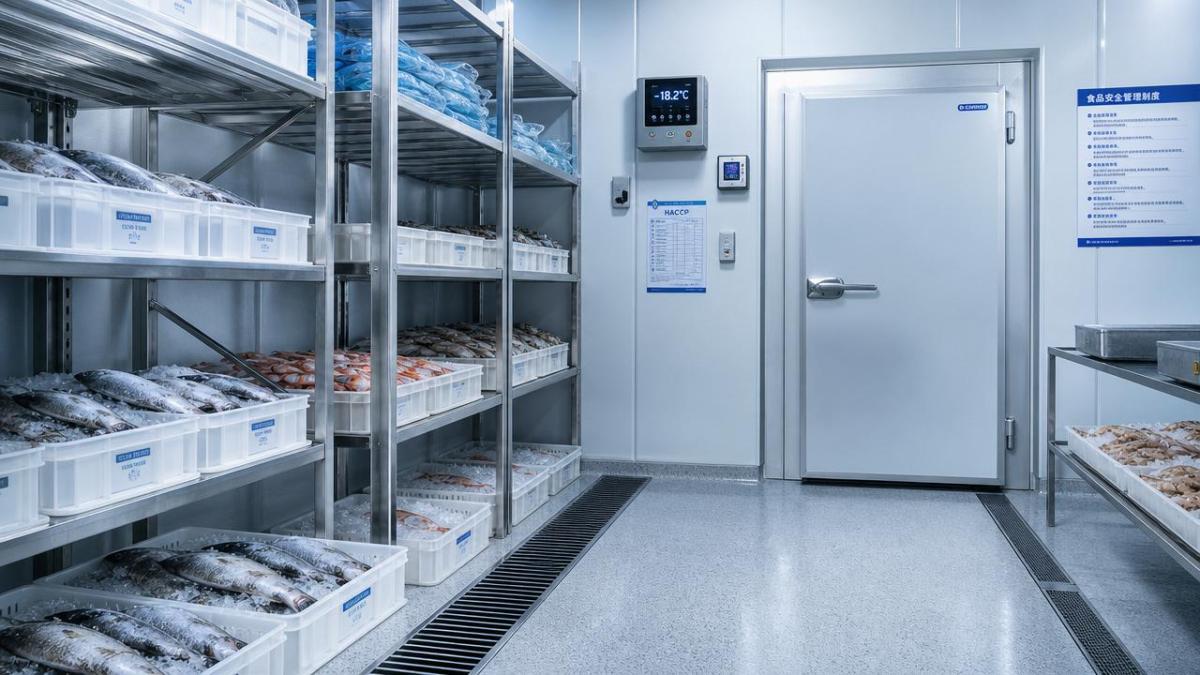
A seafood cold room affects more than storage temperature. It shapes freshness retention, freezing speed, hygiene control, audit readiness, and the economics of daily handling.
That matters across primary industries, where cold chain failures can disrupt processing yields, traceability, and downstream compliance at the same time.
In practice, choosing a seafood cold room is rarely about buying the lowest temperature available. It is about matching room design to product flow, sanitation risk, and hold time.
A landing-site holding room, a filleting plant buffer room, and a frozen export chamber may all handle seafood, yet their priorities differ sharply.
This is also why technical evaluation deserves the same discipline seen in regulated agricultural, biochemical, and processing environments covered by AgriChem Chronicle.
The most reliable seafood cold room choice comes from understanding where the room sits in the workflow, what hazards it must control, and how inspection standards will be applied.
Different seafood operations create different cold room demands
Seafood is unusually sensitive because moisture loss, bacterial growth, cross-contamination, and texture damage can happen within the same chain.
A seafood cold room for chilled shrimp usually targets tight temperature recovery after frequent door openings. A freezing room for tuna blocks focuses more on pull-down performance and uniform airflow.
HACCP compliance adds another layer. Surfaces, drains, corners, access routes, and cleaning routines all influence whether the cold room supports hazard control or quietly weakens it.
More complex sites often combine aquaculture handling, ingredient storage, and processed seafood dispatch. In those cases, one cold room configuration rarely fits every zone.
The better approach is to separate decisions by temperature objective, exposure time, product state, and sanitation burden.
Fresh storage after harvest or landing
Fresh storage is less about extreme cold and more about stability. Seafood arriving wet, warm, and variably sorted puts heavy pressure on temperature recovery.
Here, a seafood cold room should hold product close to the target band without drying exposed surfaces. Evaporator selection, air throw, and humidity balance become decisive.
If boxes are stacked tightly, airflow paths matter as much as refrigeration capacity. Poor rack spacing often creates warm pockets that undermine shelf life.
Rapid freezing before long-distance distribution
Freezing rooms face a different reality. Product enters with a higher thermal load, and the goal is fast core temperature reduction to protect texture and reduce drip loss later.
In this setting, a seafood cold room must be judged by freezing curve consistency, loading pattern tolerance, and defrost management, not headline compressor size alone.
A room that freezes quickly at partial load but slows sharply at peak season may look acceptable on paper while underperforming in real processing cycles.
Buffer storage inside processing plants
Processing plants often use a seafood cold room as a short-stay buffer between washing, grading, trimming, packing, or dispatch.
The key issue here is operational rhythm. Frequent entry, mixed trolley traffic, and sanitation cycles can create more risk than the refrigeration duty itself.
For this type of use, door speed, floor slope, easy-clean junctions, and zoning against raw-to-packed crossover often matter more than ultra-low storage capability.
The decision points change when freshness, freezing, and HACCP must all work together
Most facilities are not choosing between freshness and compliance. They need both, while still controlling energy use and maintenance downtime.
That makes comparison easier when the main operating scenarios are set side by side.
A strong seafood cold room decision often emerges from this comparison. It clarifies which parameters are operational necessities and which are only attractive specifications.
What usually matters most on site
In real projects, five technical areas decide whether a seafood cold room performs well after commissioning.
- Temperature recovery speed after loading or door openings, not only steady-state temperature.
- Air distribution that reaches stacked cartons, bins, or palletized product evenly.
- Hygienic construction, including washable surfaces, protected joints, and drain layouts that avoid residue traps.
- Monitoring integrity, including calibrated probes, alarm logic, and useful records for HACCP verification.
- Energy behavior under real loading cycles, because seafood operations often fluctuate sharply by season and catch volume.
These factors also align with broader industrial expectations around traceability and controlled processing environments, especially where food, feed, and bio-derived materials intersect.
Why hygiene design cannot be treated as an accessory
A seafood cold room may meet temperature targets while still creating sanitation failures. That happens when floors pool water, wall joints trap organic matter, or condensate reaches product routes.
For HACCP compliance, hygienic detailing should be reviewed together with the cleaning method. Foam cleaning, washdown intensity, and chemical exposure all affect material choice.
The room also needs to support separation logic. Raw seafood, packed finished product, and non-product traffic should not share the same contamination pathway.
Where seafood cold room selection often goes wrong
One common mistake is judging a seafood cold room by nominal cubic volume alone. Useful capacity depends on packaging geometry, aisle needs, and airflow clearance.
Another is assuming chilled storage and freezing storage can be combined without compromise. Mixed-use rooms often create unstable humidity, inefficient cycles, and awkward sanitation routines.
It is also easy to underestimate local conditions. Coastal humidity, saline air, washdown exposure, and uneven power quality can shorten equipment life if ignored early.
A further misjudgment is focusing on purchase price while overlooking panel durability, sensor replacement, defrost water management, and service accessibility.
When that happens, the seafood cold room appears competitive at installation but becomes expensive during maintenance, product loss, or corrective compliance work.
A practical way to match the room to the operation
A better evaluation process starts with product movement rather than catalog features. Map how seafood enters, waits, moves, and exits during a full operating day.
Then define the room by four questions: what temperature band is required, how long product stays inside, how often doors open, and how the room is cleaned.
From there, a seafood cold room specification becomes more precise and easier to validate.
- For fresh storage, prioritize stable holding conditions, gentle airflow, and rapid recovery after unloading.
- For freezing, verify batch pull-down performance using realistic product mass and loading density.
- For HACCP-sensitive operations, check cleanability, records, alarm response, and segregation of raw and finished routes.
- For mixed facilities, consider separate seafood cold room zones rather than one oversized room serving incompatible tasks.
This approach reflects a broader lesson seen across regulated primary processing sectors: the best equipment choice is usually the one that fits the process discipline, not the marketing headline.
Before moving ahead, confirm the conditions that will decide long-term performance
Before final selection, it helps to build a short decision file for the seafood cold room. Include target temperatures, product forms, peak throughput, hygiene method, and expected audit standards.
Also compare likely service intervals, spare parts access, and sensor verification routines. Those details often determine whether the room remains compliant after the first year.
If multiple scenarios are involved, rank them by business risk rather than convenience. A seafood cold room should be chosen around the most demanding real condition, not the average day.
The next useful step is straightforward: document each operating scenario, compare the critical control points, and test whether the proposed room design still works under peak load, cleaning cycles, and audit review.
That level of discipline usually leads to a seafood cold room that protects freshness, supports freezing quality, and stands up to HACCP expectations without costly retrofits.
Related Intelligence
- Commercial FishingWhat Certifications Do Fishery Supplies Need for Export?What certifications should fishery supplies carry for export? Explore requirements for equipment, feed, and chemicals to avoid costly delays and ship with confidence.
- Commercial FishingWhat Should You Check in a Fishery Equipment Maintenance Contract?What should I look for in a fishery equipment maintenance contract? Explore coverage, response times, costs, records, safety, and biosecurity essentials.
- Commercial FishingDo commercial fishing vessels with hybrid diesel-electric propulsion reduce fuel cost per kg landed by more than 12%?Commercial fishing vessels with hybrid diesel-electric propulsion *can* cut fuel cost per kg landed by >12%—but only under precise operational and infrastructure conditions. Discover the real ROI.
The Morning Broadsheet
Daily chemical briefings, market shifts, and peer-reviewed summaries delivered to your terminal.
