

The Authority in Global Agricultural Chemistry & Bio-Resources
Slurry Ice Machine Wholesale Buying Guide for Seafood Cooling and Freshness Control
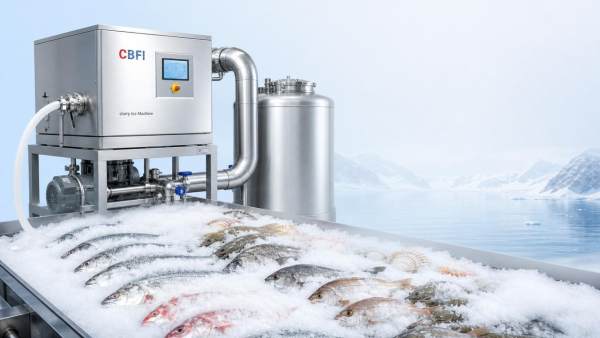
Why does slurry ice machine wholesale matter so much for seafood cooling?
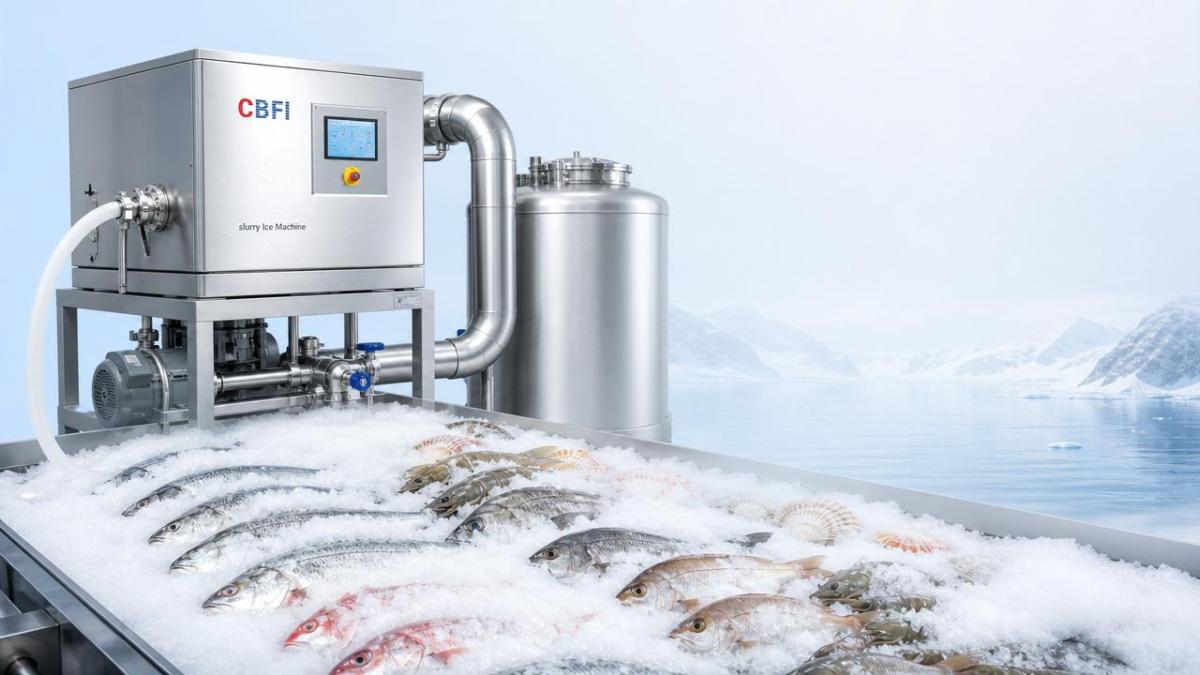
A slurry ice machine wholesale decision shapes more than unit price. It affects product temperature stability, bacterial control, transport losses, and the usable shelf life of seafood.
That is why this topic keeps appearing in aquaculture and cold-chain searches. Buyers are not just comparing machines. They are comparing freshness outcomes.
Unlike block or flake ice, slurry ice forms a pumpable mix of microcrystals and chilled liquid. It wraps fish more evenly and fills cavities faster.
In practical use, that means less surface bruising and more uniform cooling from harvest through packing. Delicate species usually benefit the most.
For editorial platforms such as AgriChem Chronicle, this equipment sits at the intersection of aquaculture technology, primary processing, and compliance-driven procurement.
The real question is not whether slurry ice works. The useful question is whether a slurry ice machine wholesale source can deliver stable performance, traceable quality, and support after installation.
What exactly should be compared beyond the catalog sheet?
Catalog claims often look similar. Cooling capacity, ice fraction, and stainless construction appear everywhere. The meaningful differences usually show up in operating details.
Start with output conditions. A machine rated at a certain tonnage may deliver less if seawater salinity, inlet temperature, or ambient heat load changes.
Then examine ice crystal quality. Fine, stable crystals are important because oversized particles reduce pumpability and can damage sensitive seafood surfaces.
Hygiene design deserves equal attention. Smooth welds, easy-drain piping, cleanable tanks, and food-contact materials matter as much as refrigeration efficiency.
More careful evaluations also review control systems. Remote alarms, salinity monitoring, and automated flushing can reduce downtime and improve sanitation discipline.
A useful way to compare slurry ice machine wholesale options is to score them across performance, hygiene, service, and documentation rather than price alone.
This type of comparison is common in technically regulated sectors. It mirrors the evidence-based approach often seen across ACC coverage areas.
Is one slurry ice machine wholesale option suitable for every seafood application?
Usually not. The right system depends on species, harvest rhythm, onboard or land-based use, and the distance between landing, grading, and processing.
For pelagic fish handled in bulk, high-volume generation and fast transfer may matter most. For shellfish or premium fillet operations, gentler contact cooling can be the priority.
Another practical factor is whether the slurry must travel through long pipelines. Pump distance influences viscosity targets, tank layout, and power demand.
Water source also changes system choice. Some operations prefer seawater slurry. Others require freshwater systems to control corrosion or meet internal quality protocols.
When comparing slurry ice machine wholesale suppliers, ask for case references that match your process, not just general seafood experience.
- Short-haul distribution may prioritize compact footprint and quick batch recovery.
- Long-haul export chains often need tighter temperature control and cleaner transfer loops.
- Vessel installations usually require vibration tolerance and simpler onboard maintenance.
- Processing plants often benefit from integrated storage, pumping, and monitoring systems.
In other words, fit-for-purpose design beats generic capacity claims. A lower-cost unit can become expensive if it mismatches product flow.
How can you tell if a supplier is reliable, not just competitive on price?
Price is visible. Reliability is usually hidden in paperwork, engineering discipline, and response quality before the order is even placed.
A strong slurry ice machine wholesale partner should explain test conditions clearly. If capacity numbers have no context, comparisons become misleading very quickly.
Next, check traceability. Component origin, refrigerant specifications, electrical standards, and food-contact materials should be easy to confirm.
Support structure matters too. Spare parts lead time, commissioning guidance, and fault diagnosis procedures often separate dependable suppliers from risky ones.
It also helps to review whether the supplier understands regulatory expectations. Depending on destination markets, hygiene, safety, and environmental compliance can affect acceptance.
That is where an ACC-style lens becomes useful. Technical procurement is stronger when performance claims are backed by verifiable documents and cross-border compliance awareness.
Useful supplier questions before shortlisting
- Can rated output be shown under the same salinity and ambient conditions expected on site?
- Which components are standard, and which are optional upgrades?
- How is sanitation handled during shutdown, flushing, and restart?
- What spare parts are recommended for the first year of operation?
- Can reference installations be matched by species, throughput, and region?
Where do slurry ice projects go wrong after purchase?
A common mistake is sizing the machine only for average demand. Seafood lines usually face short peaks, and those peaks drive freshness risk.
Another issue is ignoring the full system boundary. The machine may perform well, while pumps, hoses, tanks, or insulation quietly limit real cooling delivery.
Sanitation is another blind spot. Some installations focus on refrigeration tonnage and neglect cleaning access, drainage slope, and residue buildup points.
There is also the temptation to choose the lowest slurry ice machine wholesale quote without clarifying commissioning scope. Missing startup support can delay stable operation.
Energy cost misunderstandings appear later as well. Power use depends on runtime pattern, incoming water conditions, and target ice fraction, not just compressor nameplate data.
Quick warning signs
- No clear performance tolerance in the quotation
- No cleaning protocol in the manual
- No parts availability statement
- No installation drawing adapted to site utilities
- No explanation of corrosion protection in saline environments
These gaps may look minor at contract stage. In operation, they usually become cost, hygiene, or downtime problems.
How should cost, service life, and payback be judged realistically?
The cheapest slurry ice machine wholesale offer is not always the lowest-cost decision. A better method is to compare total operating value across several years.
Start with direct cost items. These include equipment price, freight, installation, utilities, cleaning supplies, spare parts, and preventive maintenance.
Then add performance-linked value. Better cooling can reduce drip loss, slow spoilage, support product grading, and lower rejection risk during transport.
Payback often improves when slurry ice replaces inefficient manual icing steps. Labor savings and faster loading can be as important as energy efficiency.
Service life depends heavily on maintenance discipline and corrosion control. Marine settings punish weak material choices very quickly.
If the supplier can provide lifecycle assumptions in writing, comparisons become more credible. If not, the low entry price may hide uncertainty.
That broader view usually leads to better sourcing decisions, especially in export-oriented seafood chains where handling quality directly affects market value.
What is the smartest next step before choosing a slurry ice machine wholesale partner?
Begin with a simple requirement sheet. Define species, hourly throughput, water type, ambient conditions, storage time, and the longest transport window.
After that, compare at least three slurry ice machine wholesale options against the same site assumptions. This keeps claims measurable and easier to audit.
It is also wise to request documentation early. Performance data, sanitation details, and service terms should be reviewed before commercial negotiation moves too far.
Where decisions involve export standards or complex supply routes, a research-led approach helps. That is the value of using technically grounded industry intelligence rather than marketing language.
In the end, the best slurry ice machine wholesale choice is the one that preserves seafood quality predictably, fits the process, and remains supportable over time.
If you are narrowing options now, focus on operating conditions, hygiene design, supplier evidence, and lifecycle cost. Those four points usually reveal the strongest answer.
Related Intelligence
- Commercial FishingU.S. Advances America First Seafood Strategy With Focus on Fishermen’s InterestsExplore NOAA’s America First Seafood Strategy and proposed U.S.-Caught Seafood label, highlighting fishermen’s interests and what seafood buyers and suppliers should watch next.
- Commercial FishingAustralis Secures Vietnam Leases for 30,000-Tonne Barramundi Hub, Opens Processing PlantAustralis secures 16 Vietnam marine leases for a 30,000-tonne barramundi hub and opens its Blue Loop processing plant. Explore the potential impact on seafood sourcing.
- Commercial FishingWhat Certifications Do Fishery Supplies Need for Export?What certifications should fishery supplies carry for export? Explore requirements for equipment, feed, and chemicals to avoid costly delays and ship with confidence.
The Morning Broadsheet
Daily chemical briefings, market shifts, and peer-reviewed summaries delivered to your terminal.
