

The Authority in Global Agricultural Chemistry & Bio-Resources
NAA Calls for Greater Aquaculture Role in America's Seafood Strategy
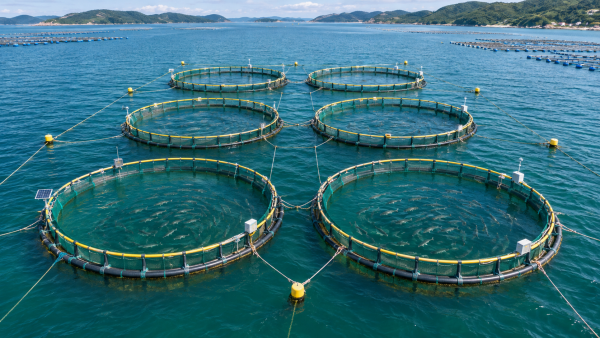
The National Aquaculture Association (NAA) is calling for a greater role for aquaculture in the America First Seafood Strategy (AFSS), arguing that the recently released strategy gives too much attention to commercial fishing. The date of the association's intervention was not specified in the information provided. Its position matters to aquaculture producers, seafood buyers and other supply-chain participants because the way a national strategy distinguishes between production models could influence subsequent policy discussions and business planning. At present, the available information establishes an industry challenge to the strategy, not a confirmed change to operating requirements.
NAA challenges the strategy's treatment of aquaculture
The NAA criticized the AFSS, which was recently released by the White House and the U.S. Department of Agriculture's seafood office. The association said the strategy places excessive emphasis on commercial fishing and treats aquaculture as a secondary component.
NAA President Sebastian Belle said commercial fishing and aquaculture represent different economic models. He called on federal agencies to hear the industry's concerns through measures such as listening sessions and to incorporate aquaculture fully into the national strategic framework.
What the distinction could mean across the seafood supply chain
Production models and policy attention
From an industry perspective, the NAA's central argument is that a strategy organized principally around commercial fishing may not address aquaculture on its own terms. The distinction matters because the association identifies the two activities as different economic models. The information supplied does not describe the strategy's detailed provisions, so it does not establish which aquaculture activities are covered or omitted.
For aquaculture businesses, the practical question is whether subsequent federal discussions recognize their circumstances when setting priorities or developing further measures. If agencies respond to the association's call, producers may have opportunities to explain how proposed approaches relate to their operations. That possibility should not be treated as a commitment to amend the strategy or introduce specific support.
Purchasing and supplier planning
Seafood buyers and processors may find the distinction relevant when assessing their mix of supply sources. Analysis suggests that a strategy's treatment of aquaculture could become more consequential to purchasing decisions if later measures distinguish between aquaculture and commercial fishing. At this stage, however, the supplied information does not identify any new purchasing rule, eligibility criterion or change in supply availability.
Buyers can therefore continue to assess suppliers using their existing business criteria while watching for more specific official language. A useful internal question is whether purchasing records clearly identify the production model associated with each supply relationship. Such a review could help a company assess later guidance if it becomes relevant; it is a planning option, not a newly announced documentation requirement.
Trade, certification and delivery decisions
For companies involved in seafood trade and distribution, the immediate significance is an uncertain policy discussion rather than an identified change to trade procedures. The information provided does not announce a revised trade rule, certification scheme, border requirement or delivery obligation. It also gives no basis for concluding that current shipments or contracts are affected.
Nevertheless, analysis suggests that traders, distributors and service providers may benefit from tracking whether future implementation material differentiates between production models. If it does, firms would need to examine the actual text before assessing any implications for supplier information, contract terms or delivery planning. No particular document or certification should be presented as required on the basis of the NAA statement alone.
Where businesses can focus their review
Check the strategy and any later agency language
Companies seeking to understand their exposure can compare the association's concerns with the text of the strategy and any subsequent official explanations. The supplied summary identifies a dispute about emphasis but does not provide the strategy's detailed language. A careful review would distinguish a broad policy priority from a provision that actually changes a business obligation.
Particular attention could be paid to whether later material expressly addresses aquaculture, how it describes the relationship between aquaculture and commercial fishing, and whether any stated priority is accompanied by an implementation process. These are questions for verification, not claims that such provisions already exist.
Prepare a clear account of operational needs
Belle's call for listening sessions points to a possible route for industry input, although the supplied information does not say that any session has been scheduled. Aquaculture businesses and their commercial partners may wish to identify the issues they would raise if agencies invite comments. Their input would be more useful if it explained the relevant activity, the business decision involved and why a distinction between production models matters in that context.
Companies should treat participation as contingent on an actual invitation or consultation process. The association's request does not itself create a consultation, a right to a particular outcome or an obligation for firms to submit information.
Keep procurement and compliance reviews proportionate
Procurement teams can consider whether their supplier information would allow them to identify aquaculture-related purchases if future policy language makes that distinction relevant. They may also review existing contracts and delivery arrangements to understand where a later change, if announced, would need to be assessed. The current information does not justify assuming that contract terms must be renegotiated or that deliveries will be delayed.
Compliance teams can apply the same restraint. Any later claim about a certification, reporting obligation or trade condition should be checked against the relevant official material and its scope. Until details are available, firms have no identified new AFSS requirement in the supplied information on which to base a compliance change.
Watch for the industry's response to implementation
The NAA's position is one industry response to the strategy. Further association statements, agency responses or business feedback could help clarify whether the concern is addressed and which parts of the supply chain consider it consequential. Their value will depend on the detail they provide, including whether they describe a proposed discussion, an official decision or an actual operational change.
For buyers and suppliers, that distinction can help prevent a policy debate from being mistaken for an immediate change in commercial terms. It can also help them identify when a more detailed review is warranted, such as when an official document specifies who is affected and how a measure is to operate.
The next signal is the federal response
Editorial analysis: this development is best understood as an industry call to change the framing of a national strategy, with implementation still to be observed. The confirmed development is the NAA's criticism and request for engagement. The supplied information does not establish that federal agencies have accepted the request, revised the strategy or issued detailed implementation measures.
What deserves closer attention is whether subsequent official communications respond to the distinction Belle drew between commercial fishing and aquaculture. An agency response could clarify the strategy's intended coverage; a consultation could reveal the concerns businesses want considered; and detailed measures, if issued, could show whether any practical obligations follow. Each would be a different type of development and should be assessed on its own terms.
There is also a limit to what can be inferred from the association's criticism. The summary does not include the full strategy or the agencies' reasoning, so it cannot establish how comprehensive the existing aquaculture provisions are. Businesses evaluating the issue should seek the underlying official text before drawing conclusions about its scope.
Keeping the aquaculture question in perspective
The NAA's intervention brings a specific issue into focus: whether a seafood strategy gives sufficient attention to an industry that the association says operates under a different economic model from commercial fishing. For producers and their customers, the potential significance lies in how that distinction may be handled in later policy discussions and, if relevant, in implementation.
For now, a proportionate response is to monitor official material, consider what information the business would need to assess a future measure, and maintain existing commercial and compliance practices unless verified requirements change. The available information supports continued attention, not a conclusion that new rules have already taken effect.
Basis for this report and points to verify
This article is based on the user-provided news title, event-time information and event summary. The event date was not specified, and no specific official source link was provided in the input. The underlying details therefore require continued verification.
Relevant material to check as it becomes available includes the official strategy and agency announcements, further NAA communications, any policy details or implementation guidance, and industry feedback. Businesses should also verify any later claims about certification interpretations, procurement documents or trade execution against the applicable source before treating them as operational requirements.
Related Intelligence
- Commercial FishingChile’s Lafkenche Law Stalls $200 Million in Salmon Farming InvestmentChile’s Lafkenche Law has stalled $200 million in proposed salmon farming investment. Explore the impact of marine access restrictions.
- Commercial FishingTurkey Opens Applications for 2026 Aquaculture SupportTurkey aquaculture support applications for 2026 are open until December 18. Explore where to apply, what remains unconfirmed and why it matters for producers.
- Commercial FishingMaine Opens Consultation on Farmed Fish Welfare RulesMaine farmed fish welfare rules are open for consultation. Discover what the proposed regulations could mean for aquaculture operators and compliance costs.
The Morning Broadsheet
Daily chemical briefings, market shifts, and peer-reviewed summaries delivered to your terminal.
