

The Authority in Global Agricultural Chemistry & Bio-Resources
U.S. Advances America First Seafood Strategy With Focus on Fishermen’s Interests
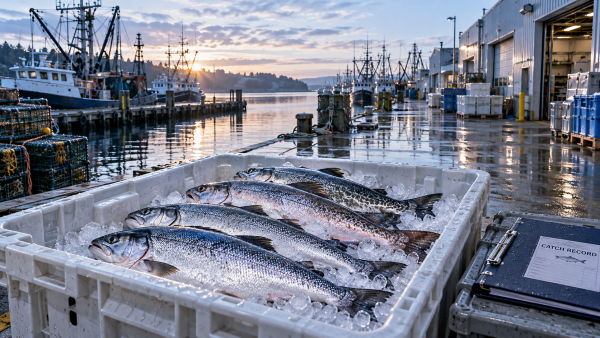
The National Oceanic and Atmospheric Administration (NOAA) is advancing the America First Seafood Strategy, including a proposal for a voluntary U.S.-Caught Seafood label intended to help consumers identify seafood caught by American fishermen. The event date is not specified in the supplied information. For fishermen, processors, buyers and exporters, the proposal warrants attention because it could make catch origin a more visible consideration in sourcing and sales, although the information provided does not establish final labeling rules or an implementation timetable.
A voluntary label within a broader seafood strategy
The America First Seafood Strategy aims to promote domestic seafood production, sales and exports. Its stated direction includes placing industry voices at the center of the strategy and strengthening the global competitiveness of the American seafood industry.
A prominent proposal is the creation of a voluntary U.S.-Caught Seafood label. NOAA will work with FDA and USDA to develop the label, with the aim of helping consumers recognize seafood caught by American fishermen. The initiative links consumer identification with the strategy’s broader emphasis on fishermen’s interests.
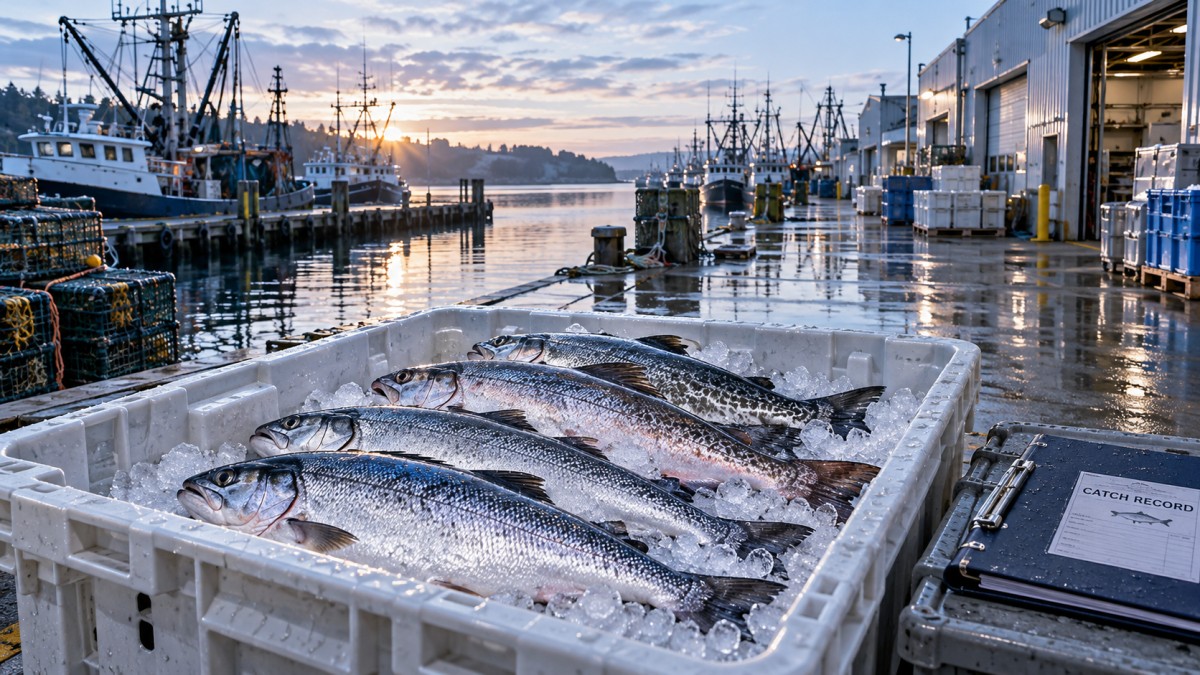
Catch identification could shape decisions across the supply chain
Fishermen and suppliers may face closer questions about eligibility
From an industry perspective, a recognizable catch label could give fishermen and their suppliers another way to communicate product origin. Any commercial benefit would depend on the eventual eligibility criteria, participation arrangements and buyer response. Suppliers considering participation may therefore need to assess how their existing records could support the claims permitted under a future scheme. The supplied information does not establish documentation requirements.
Processors and distributors may need to connect claims with product records
Analysis suggests that processors and distributors handling seafood from different sources could face practical questions about identifying products eligible for the proposed label. If detailed rules are introduced, relevant considerations could include how catch information follows a product through processing, packaging and distribution. These are potential implementation issues; no segregation, traceability or auditing procedure is specified in the supplied summary.
Buyers and exporters may reassess how origin is presented
For buyers, the proposed label could become an additional sourcing consideration if suppliers adopt it and customers value the distinction. Procurement teams may wish to understand what a future label verifies before incorporating it into purchasing specifications. For exporters, analysis suggests a possible role in product positioning, but the stated goal of promoting exports does not establish new market access, overseas acceptance or changes to trade requirements.
Preparation starts with the label’s scope and evidence
Track the boundary between a proposal and an operating scheme
As a practical recommendation, businesses should monitor subsequent communications from NOAA and the planned work with FDA and USDA. The central questions are whether the proposal develops into an available labeling scheme, which products may qualify and when participation could begin. The supplied information supports treating the label as a proposal under development and does not confirm that businesses can already use it.
Review records that could support a catch claim
Businesses interested in potential participation could review the catch-origin information available from suppliers and identify gaps between purchasing records and customer-facing descriptions. This would be a preparatory assessment, rather than compliance with a newly confirmed obligation. Any decision to change records, packaging or verification arrangements should be assessed against the eventual published criteria.
Keep procurement and marketing language tied to confirmed details
As a commercial precaution, buyers and sellers could review whether draft specifications or sales materials imply that the proposed label is already available or mandatory. Because the proposal is described as voluntary, the supplied information does not establish a requirement for all seafood businesses to participate. It also does not define a certification process, so businesses should await further details before making certification claims or commitments based on the proposal.
Assess delivery implications when participation terms become clearer
Analysis suggests that any future changes to product identification or packaging could affect supplier coordination and order preparation. Businesses could evaluate those implications once operating terms are available. There is currently no basis in the supplied information to assume longer delivery times, additional testing or a specific cost of participation.
The policy signal is clearer than the implementation details
At this stage, the initiative is best understood as a policy direction and a labeling proposal requiring further observation. The confirmed emphasis is on domestic seafood production, sales, exports and the interests of American fishermen. The proposed label offers an indication of how that direction might reach purchasing and consumer decisions.
From an editorial perspective, the next consequential information would concern the definition of eligible catch, permitted label use, supporting evidence and the respective roles of the participating agencies. Feedback from fishermen and other supply-chain participants could also help businesses assess the proposal’s practicality. None of those outcomes can be established from the supplied summary.
A sourcing development to monitor before changing commitments
The strategy gives seafood businesses a reason to examine how they identify and communicate catch origin. Analysis suggests that the proposed label could connect fishermen’s interests more directly with procurement and sales decisions, but its commercial effect remains dependent on final arrangements and market response. A proportionate approach is to monitor development, assess available product information and base purchasing or labeling commitments on confirmed terms.
Basis of this report and points awaiting verification
This article is based solely on the user-provided news title, event-time information and event summary. The event date was not specified, and no specific official source links were supplied. The factual account is limited to that material; the business implications and suggested responses are presented as analysis or recommendations.
Further verification should draw on relevant official announcements and agency publications as they become available. Continuing attention is needed to policy details, labeling eligibility, any verification arrangements, implementation timing, trade-related execution and industry feedback before the proposal can be assessed as an operational scheme.
Related Intelligence
- Commercial FishingU.S. Advances America First Seafood Strategy With Focus on Fishermen’s InterestsExplore NOAA’s America First Seafood Strategy and proposed U.S.-Caught Seafood label, highlighting fishermen’s interests and what seafood buyers and suppliers should watch next.
- Commercial FishingAustralis Secures Vietnam Leases for 30,000-Tonne Barramundi Hub, Opens Processing PlantAustralis secures 16 Vietnam marine leases for a 30,000-tonne barramundi hub and opens its Blue Loop processing plant. Explore the potential impact on seafood sourcing.
- Commercial FishingWhat Certifications Do Fishery Supplies Need for Export?What certifications should fishery supplies carry for export? Explore requirements for equipment, feed, and chemicals to avoid costly delays and ship with confidence.
The Morning Broadsheet
Daily chemical briefings, market shifts, and peer-reviewed summaries delivered to your terminal.
