

The Authority in Global Agricultural Chemistry & Bio-Resources
EU COO Rule Tightens Traceability for Natural Ingredients
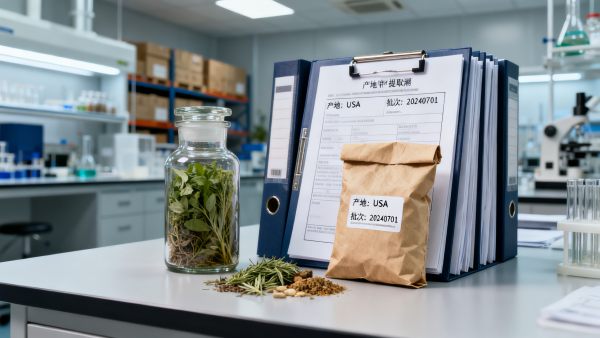
On June 30, 2026, Amazon marketplaces in Europe and the UK begin fully enforcing mandatory country of origin (COO) disclosure for food-grade botanical extracts and natural ingredient products. For exporters, ingredient suppliers, manufacturers, and marketplace operators, this is not only a listing compliance issue: it also highlights a broader shift toward stricter origin verification, residue scrutiny, and batch-level traceability for plant-based products entering these markets.
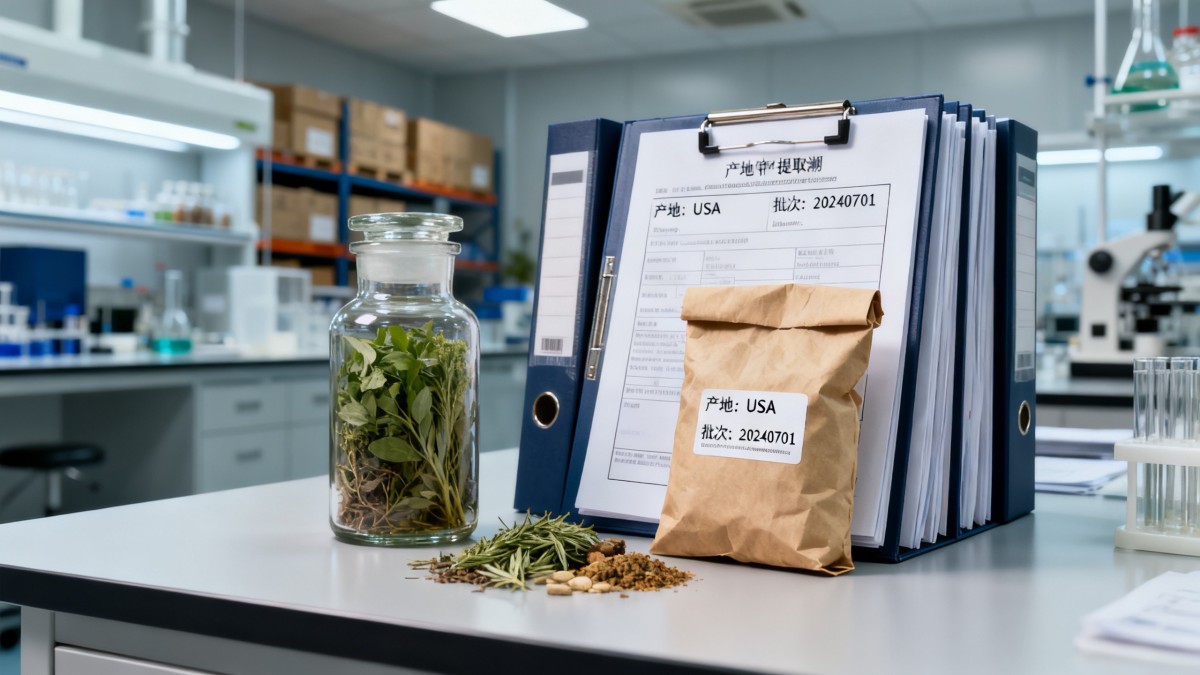
What the June 30 enforcement requires
According to the provided information, Amazon Europe and the UK market will fully implement mandatory COO disclosure from June 30, 2026 for all food-grade botanical extracts and natural ingredient products. Products that do not complete accurate COO declarations in the seller backend will be removed from sale.
The requirement is described as aligning with EU No 2018/775. At the same time, scrutiny in the EU over pesticide residues and DNA traceability for plant-derived products is becoming stricter. The information provided also indicates that this is pushing Chinese exporters to upgrade raw material origin filing and batch-level traceability systems.
Where the pressure is likely to appear first
Listing compliance becomes an immediate checkpoint for exporters
From an industry perspective, direct trading companies are likely to feel the impact first at the product listing stage. The reason is straightforward: inaccurate or incomplete COO declarations can lead directly to delisting in the seller system. What deserves closer attention is whether existing product data, origin records, and internal documentation are consistent enough to support accurate disclosure.
Upstream sourcing faces closer origin verification
For raw material procurement and supply partners, the likely impact is not limited to a label field. Analysis shows that stricter COO disclosure, combined with tighter review of pesticide residues and DNA traceability, increases the importance of raw material base registration and source documentation. The key operational issue is whether origin claims can be matched to procurement records at batch level.
Manufacturing and fulfillment workflows may need tighter record linkage
For processors and manufacturers, the likely pressure point is the connection between incoming material records, production batches, and outbound product information. Observably, if COO disclosure becomes a mandatory front-end requirement while traceability checks become more detailed, then documentation gaps between sourcing, processing, and shipment may become a practical risk.
Service providers may face stronger documentation expectations
Supply chain service providers and compliance support teams may also be affected, especially where they help manage product onboarding, documentation, or cross-border delivery. What deserves closer attention is not only whether a declaration is submitted, but whether supporting records are organized in a way that can withstand closer review.
What companies should review now
Check whether declared origin matches underlying records
The first practical issue is consistency. Companies selling into Amazon Europe or the UK should pay close attention to whether the COO shown in seller systems can be supported by procurement, production, and shipment records. This is especially relevant for products derived from plant materials with multi-step sourcing or processing.
Separate platform compliance from broader traceability readiness
Analysis shows that platform disclosure and regulatory scrutiny are related but not identical issues. Completing a COO field may satisfy an immediate marketplace requirement, but it does not by itself resolve deeper traceability expectations linked to residues or DNA source review. Companies should avoid treating the platform update as the only task.
Review batch-level traceability in high-attention product lines
What deserves closer attention is whether priority product categories already have usable batch-level traceability. For botanical extracts and natural ingredients, the operational question is whether each batch can be linked back to documented raw material origin information without gaps or manual reconstruction.
Prepare supplier and customer communication in advance
Businesses should also review how they communicate with both upstream suppliers and downstream customers. In practice, this means checking supplier documentation readiness, clarifying internal data ownership, and preparing responses where customers or channels request origin-related supporting information tied to specific batches or shipments.
Why this looks bigger than a single listing update
Analysis shows that this development is better understood as more than a short-term marketplace rule change. The immediate trigger is the mandatory COO disclosure and the risk of delisting, but the broader signal comes from the combination of origin labeling, tighter pesticide residue attention, and stricter DNA traceability review for plant-derived products.
It is more appropriate to understand this as a compliance signal with longer-term implications for data quality across the supply chain. That does not automatically mean every business impact is already fixed or uniform, but it does suggest that origin claims for botanical extracts and natural ingredients are moving closer to verifiable supply-chain records rather than remaining a simple commercial description.
How the market should read this stage
At this stage, the most balanced reading is that the June 30, 2026 enforcement creates a clear operational deadline, while the wider industry meaning lies in traceability depth rather than in labeling alone. For exporters and supply-chain participants, the near-term issue is accurate COO disclosure; the medium-term issue is whether supporting origin, residue, and batch documentation can stay aligned as scrutiny increases.
In that sense, this development is best viewed as both an immediate compliance requirement and a longer-running signal that documentation standards for plant-based ingredients are becoming more exacting in the EU and UK market context.
Basis of this article and points to keep tracking
This article is based on the user-provided news title, event date, and event summary. No specific official source link was provided in the input, so the exact official reference path still requires ongoing verification.
For this type of industry update, relevant source categories typically include official notices, company announcements, industry association communications, authoritative media coverage, and standards or regulatory documents. The next points worth tracking are whether further official wording, implementation details, or related compliance clarifications emerge for COO disclosure, origin verification, and traceability expectations in the affected markets.
Related Intelligence
- Botanical ExtractsAre Botanical Extracts Classified as Agrochemicals Under New Rules?Are bio extracts considered agricultural chemicals under new rules? Learn how claims, composition, and market rules affect classification—and what to verify before launch.
- Botanical ExtractsChoosing Botanical Extracts for Pharmaceuticals: Potency, Purity, and ComplianceBotanical extracts for pharmaceuticals: learn how to assess potency, purity, traceability, and GMP compliance for confident, regulatory-ready supplier selection.
- Botanical ExtractsBotanical Extracts Market Outlook: Supply, Pricing, and Buyer RisksBotanical extracts market insights on supply, pricing, quality control, and buyer risks—compare suppliers confidently and protect your sourcing strategy.
The Morning Broadsheet
Daily chemical briefings, market shifts, and peer-reviewed summaries delivered to your terminal.
