

The Authority in Global Agricultural Chemistry & Bio-Resources
Hormuz Strait Tension Extends Shipping Lead Times
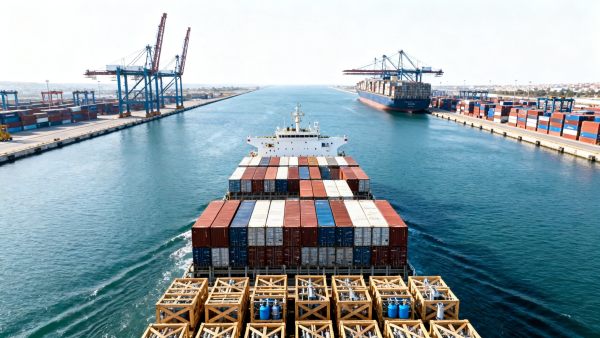
The timing of this event is not specified in the provided information, but the development is already relevant for industry participants because it points to an immediate trade and delivery constraint rather than a routine freight fluctuation. Recent shipping tension around the Strait of Hormuz has pushed up container rates and narrowed delivery windows for large, high-value aquaculture and water technology equipment, including aeration units, recirculating aquaculture systems (RAS), and airlift aeration devices. For exporters, buyers, logistics providers, and after-sales teams serving the Middle East, North Africa, and Southern Europe, the key issue is not only cost pressure, but also how routing changes may affect contract performance, shipment planning, documentation timing, and equipment handover schedules.
What the current market movement confirms
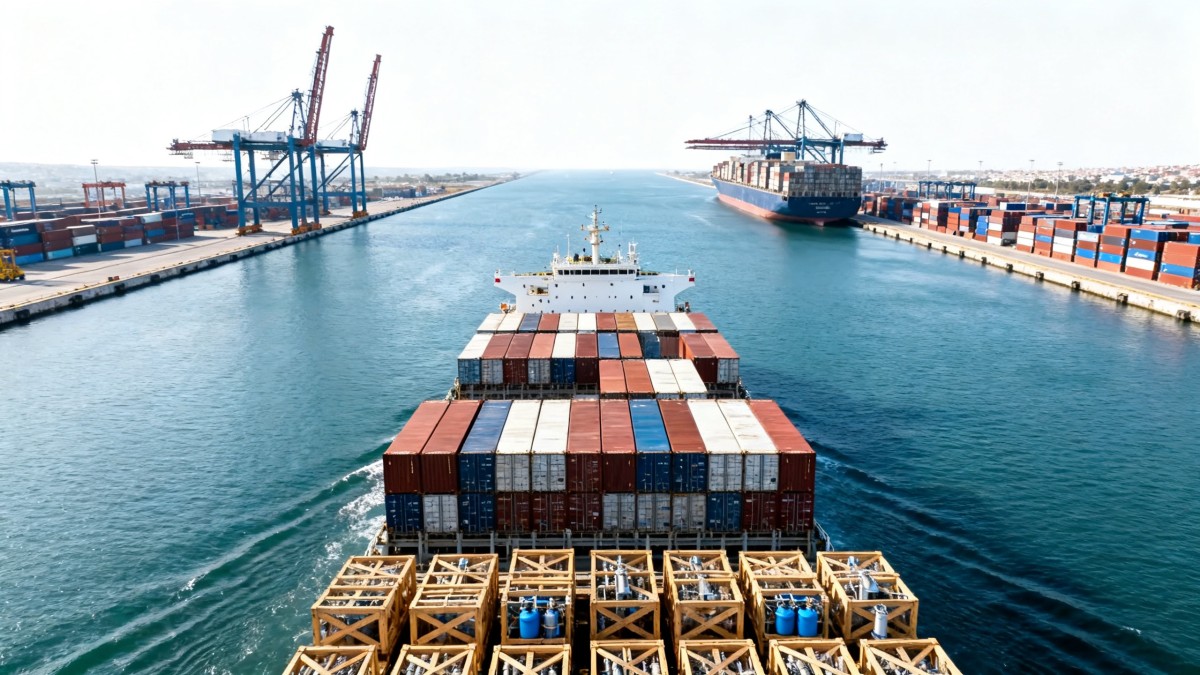
According to the provided summary, shipping tension linked to the Strait of Hormuz recently affected container freight markets. On June 4, the Europe-bound container route led gains, and spot freight rates on the Asia-Europe route rose 23% in a single week. This change has significantly narrowed the sea-freight delivery window for large and high-value equipment used in aquaculture, including oxygenation equipment, RAS systems, and airlift aeration devices. The same summary states that multiple Chinese manufacturers have already activated rerouting plans for Middle East and Red Sea shipments, while orders shipped from June to August to the Middle East, North Africa, and Southern Europe are expected to see average lead times extended by around 1 to 1.5 weeks.
Why the pressure reaches beyond freight costs
Export delivery schedules are becoming less predictable
From an industry perspective, exporters of Commercial Fishing and Aeration & Water Tech equipment may be affected first because these products are often large, high-value, and tied to project-based delivery milestones. The immediate impact is likely to appear in shipment scheduling, delivery commitments, and coordination with overseas customers. What deserves closer attention is whether contract documents, delivery clauses, packing lists, and shipping schedules remain aligned once rerouting or transit extensions begin to affect dispatch timing.
Procurement planning faces a narrower installation window
Buyers and project procurement teams may face pressure where equipment arrival is linked to installation sequencing or seasonal operating plans. Analysis shows that even a 7 to 12 day extension can matter when the equipment involved includes core systems such as RAS units or aeration devices. In practice, procurement teams may need to pay closer attention to lead-time assumptions in purchase orders, bid documents, acceptance schedules, and any technical documentation tied to planned delivery or commissioning windows.
Supply-chain and service providers must watch documentation timing
For logistics providers, distributors, and after-sales service participants, the issue is not limited to vessel space or freight pricing. Observably, route adjustments can also affect document circulation, customs coordination, inland transfer timing, spare-parts support, and customer communication around handover expectations. Where equipment is high in value and technically specific, any mismatch between transport timing and service preparation may create added execution risk, even if product compliance status itself does not change.
Operational points companies should monitor now
Check whether delivery terms still match actual routing
Analysis shows that companies shipping to the Middle East, North Africa, and Southern Europe should review whether existing delivery commitments still reflect current transit assumptions. This is particularly relevant for orders planned between June and August, when the provided summary already indicates an expected extension of 1 to 1.5 weeks on average.
Keep technical and trade documents synchronized with schedule changes
Where equipment shipments involve tender files, technical specifications, inspection records, or customer-facing handover documents, companies should pay attention to whether revised shipment timing requires updates in documentation workflow. It is more appropriate to understand this as a practical compliance and execution issue, especially when delivery timing is connected to acceptance milestones or service readiness.
Track rerouting decisions alongside customer communication
The provided information confirms that multiple Chinese manufacturers have initiated rerouting plans for the Middle East and Red Sea. Observably, companies should therefore watch how route adjustments affect promised dispatch dates, freight booking stability, and notice periods given to customers, distributors, or installation teams.
Prepare for pressure on after-sales and traceability coordination
For high-value aquaculture systems and aeration equipment, delayed arrival can also shift the timing of installation support and service response. Analysis shows that firms may need to keep product records, shipping files, and service coordination more tightly aligned so that any timing change does not create avoidable disputes over delivery, acceptance, or follow-up support.
How this signal should be read at this stage
Observably, this development is better understood as an execution signal in trade and logistics conditions than as a fully defined regulatory change with settled implementation rules. The confirmed facts point to tighter freight conditions, route adjustments, and longer lead times, but the provided information does not establish a new formal policy text, certification rule, or official compliance framework. What deserves closer attention is how market participants, buyers, and service providers revise practical requirements in contracts, tender schedules, delivery expectations, and supporting documentation as shipping conditions evolve.
What the industry can reasonably conclude for now
At this stage, the main industry significance lies in the fact that freight disruption around a key shipping passage is already feeding into delivery risk for Commercial Fishing and Aeration & Water Tech equipment. The current situation is more appropriately understood as a live operational and trade-rule pressure point affecting procurement, dispatch, and project timing, rather than a settled outcome with clear long-term boundaries. A neutral reading is that companies should treat the current change as actionable in planning terms, while continuing to watch for further confirmation in execution practice and market feedback.
Basis of this article and what still needs verification
This article is generated from the user-provided news title, event timing, and event summary. No specific official source link was provided in the input, so any formal source chain still requires further verification. For this type of development, relevant source categories would typically include official notices, regulator releases, customs or trade authority updates, industry association information, standard-setting documents, and reporting by authoritative media. Further observation is still needed on any later official wording, implementation approaches, tender-document changes, customer-side acceptance requirements, industry feedback, and how enterprises adjust actual shipment and delivery execution.
Related Intelligence
- Aeration & Water TechHow Water Treatment Research Guides Technology Selection for Industrial Wastewater ProjectsWater treatment research guides smarter industrial wastewater technology selection. Learn how to assess variable streams, pilot risks, compare process trains, and reduce compliance costs.
- Aeration & Water TechSelecting Solids Filtration for Aquaculture: Flow Rates, Loading, and Fish WelfareSolids filtration aquaculture guide: compare flow rates, peak loading, capture performance, maintenance, and fish welfare to choose a reliable system.
- Aeration & Water TechWhat RO water treatment systems deliver consistent 98% salt rejection at 25°C with feed TDS over 3,000 ppm?RO water treatment systems that deliver proven 98% salt rejection at 25°C with >3,000 ppm TDS—engineered for API synthesis, aquaculture & grain processing.
The Morning Broadsheet
Daily chemical briefings, market shifts, and peer-reviewed summaries delivered to your terminal.
