

The Authority in Global Agricultural Chemistry & Bio-Resources
What Is Maitake Mushroom Extract Used For in Supplements and Functional Foods?
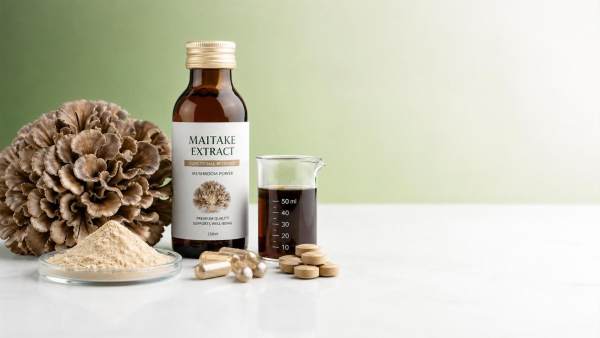
Maitake mushroom extract has moved from niche wellness shelves into mainstream supplement and functional food development. Interest is growing because its use is tied not only to consumer health positioning, but also to ingredient traceability, extraction quality, formulation stability, and regulatory fit across global supply chains.
At a practical level, the question is not simply what maitake mushroom extract is, but what it is used for, how it is standardized, and where it creates credible value. That matters in a market where bio-extracts increasingly sit at the intersection of nutrition science, food technology, and commercial sourcing discipline.
Why maitake mushroom extract draws sustained industry attention
Within the broader bio-extracts and ingredients segment, maitake mushroom extract stands out because it connects traditional mushroom use with modern ingredient innovation. It is commonly derived from Grifola frondosa and valued for concentrated polysaccharides, especially beta-glucans.
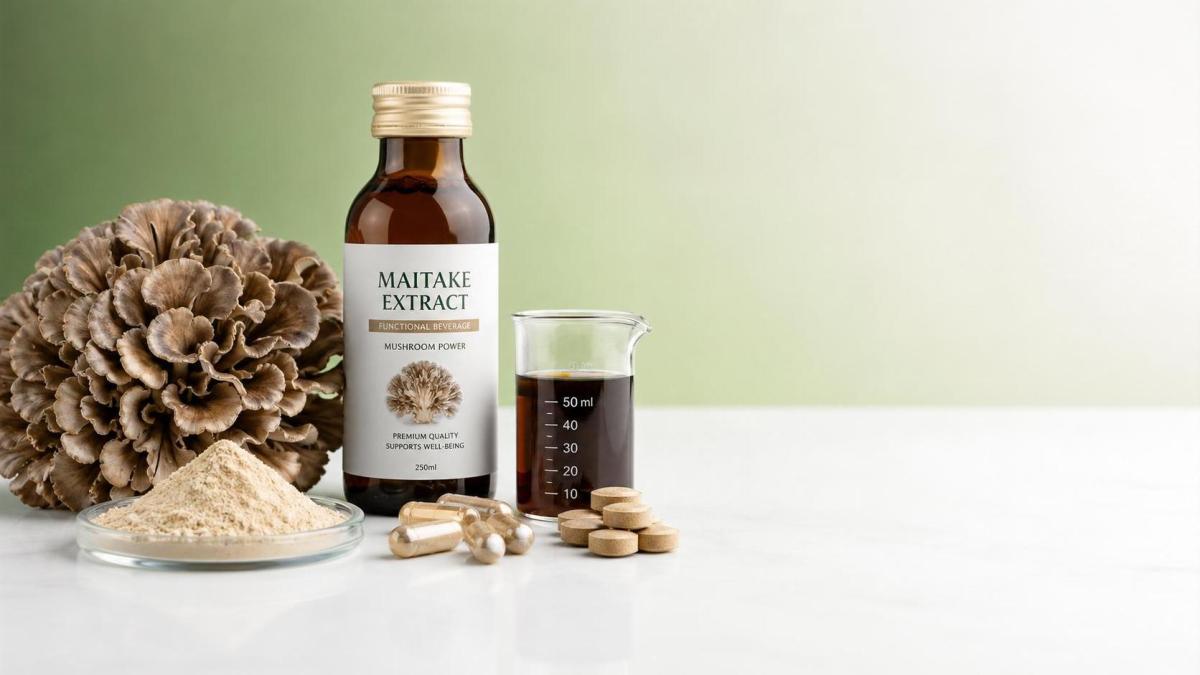
Those compounds are the reason formulators pay attention. They are associated with immune-related pathways, while the mushroom’s wider nutritional profile supports interest in metabolic health, daily resilience, and better-for-you food concepts.
For a publication environment shaped by the standards of AgriChem Chronicle, the subject also matters for another reason. Bioactive ingredients now require the same disciplined evaluation seen in fine chemicals and specialized agricultural inputs: source integrity, processing consistency, and documentation quality.
What maitake mushroom extract is used for in supplements
In supplements, maitake mushroom extract is primarily used for immune support positioning. Products often present it as part of a daily wellness routine, especially in capsules, tablets, tinctures, powders, and blended mushroom formulas.
Its role, however, is broader than a single claim category. Depending on the formula design, maitake mushroom extract may be included for:
- general immune balance support through beta-glucan content;
- metabolic wellness concepts, including glucose and weight management positioning;
- adaptogenic or stress-support blends when paired with other fungi or botanicals;
- clean-label, plant-forward supplement innovation.
The supplement format affects how the ingredient is understood. A standardized extract with declared beta-glucan content carries a different commercial meaning than raw mushroom powder. One speaks to bioactive concentration. The other leans more on whole-food identity.
This distinction is important when reviewing label claims, supplier dossiers, and technical specifications. Not every maitake ingredient delivers the same extraction profile, solubility behavior, or formulation performance.
Where it fits in functional foods and beverages
Functional foods use maitake mushroom extract somewhat differently. Here, the goal is often to combine wellness messaging with convenience, taste acceptance, and scalable food manufacturing.
Common application areas include fortified beverages, powdered drink mixes, snack nutrition products, nutrition bars, instant soups, and wellness shots. In these formats, the ingredient can support a mushroom-based health identity without requiring consumers to prepare the mushroom itself.
A food application also raises extra formulation questions. Flavor masking, color impact, heat stability, water solubility, and interaction with sweeteners or proteins all matter. In other words, the use case extends beyond biological interest into process compatibility.
That is why maitake mushroom extract increasingly appears in discussions around next-generation functional ingredients. It sits in a category where nutritional credibility and manufacturing practicality must both be demonstrated.
Typical application directions
The compounds behind the use cases
A useful way to understand maitake mushroom extract is to look at the compounds that drive market interest. Beta-glucans receive the most attention, but they are not the only point of evaluation.
Depending on the extraction method, the finished ingredient may contain varying levels of polysaccharides, protein-bound fractions, and minor constituents that influence functionality and positioning. Water extracts and dual extracts may also differ in composition and intended use.
This is where technical reading becomes essential. A product marketed as maitake mushroom extract may sound straightforward, yet meaningful differences can appear in:
- fruiting body versus mycelium source material;
- extraction solvent and concentration ratio;
- declared polysaccharide or beta-glucan percentage;
- carrier materials, excipients, or drying methods;
- microbiological, heavy metal, and residual solvent limits.
In regulated and quality-sensitive sectors, these details shape whether the ingredient supports a premium formula or creates downstream risk.
Commercial relevance goes beyond wellness claims
The current market does not reward vague botanical narratives for long. Buyers and product developers are increasingly expected to connect ingredient claims with documentation, batch consistency, and fit-for-purpose processing data.
That is one reason maitake mushroom extract belongs in a wider industrial conversation. It reflects the same shift seen across food ingredients, fine chemicals, and natural actives: trust now depends on evidence architecture as much as on market demand.
From that perspective, maitake mushroom extract is not just a wellness ingredient. It is also a sourcing decision, a quality-control issue, and a positioning choice within competitive product portfolios.
Questions worth asking before use
Whether the goal is supplement formulation or functional food development, several questions help separate a promising ingredient from a weak fit.
- Is the maitake mushroom extract standardized to a meaningful active marker?
- Does the supplier specify fruiting body content and cultivation origin?
- Are test methods aligned with recognized analytical standards?
- Can the ingredient perform in the intended dosage form or food matrix?
- Do technical documents support GMP, FDA, or relevant market-entry requirements?
These questions matter because a strong ingredient profile is built through reproducibility, not broad language alone.
How to interpret maitake mushroom extract in real-world evaluation
In actual assessment, maitake mushroom extract should be viewed through three lenses at the same time: biological relevance, formulation practicality, and supply chain reliability.
Biological relevance asks whether the extract profile supports the intended product narrative. Formulation practicality asks whether it can be processed without undermining taste, stability, or dosage consistency. Supply chain reliability asks whether every batch can be defended with credible records.
This balanced view matches the editorial logic that increasingly defines technical trade publishing. In sectors covered by AgriChem Chronicle, the strongest ingredient stories are those that hold up scientifically, commercially, and operationally at the same time.
That is especially relevant in mushroom ingredients, where market enthusiasm can easily outpace standardization. A thoughtful review process helps keep innovation aligned with evidence.
A practical next step for comparison and selection
For anyone evaluating what maitake mushroom extract is used for, the most useful next step is to compare products by specification, not by headline claims. Review extraction type, active markers, contaminant limits, origin disclosure, and application fit side by side.
It also helps to map the ingredient against the final use case. A capsule formula, powdered blend, and shelf-stable beverage do not ask the same things from maitake mushroom extract, even when they share a wellness theme.
Seen clearly, maitake mushroom extract is used to support product concepts in immunity, metabolic balance, and functional nutrition. The better question is which version of the ingredient truly matches the technical, regulatory, and commercial standard required for the intended market.
That is where better decisions begin: with sharper specifications, stronger evidence, and a closer reading of how bio-extracts perform in real formulations.
Related Intelligence
- Botanical ExtractsChoosing Botanical Extracts for Pharmaceuticals: Potency, Purity, and ComplianceBotanical extracts for pharmaceuticals: learn how to assess potency, purity, traceability, and GMP compliance for confident, regulatory-ready supplier selection.
- Botanical ExtractsBotanical Extracts Market Outlook: Supply, Pricing, and Buyer RisksBotanical extracts market insights on supply, pricing, quality control, and buyer risks—compare suppliers confidently and protect your sourcing strategy.
- Botanical ExtractsEurope Botanical Extracts Market: Key Growth Drivers, Risks, and OpportunitiesEurope botanical extracts market insights: explore growth drivers, regulatory risks, supply-chain challenges, and scalable opportunities for compliant, high-value ingredients.
The Morning Broadsheet
Daily chemical briefings, market shifts, and peer-reviewed summaries delivered to your terminal.
