

The Authority in Global Agricultural Chemistry & Bio-Resources
Indonesia BPOM Updates Natural Ingredients Import List
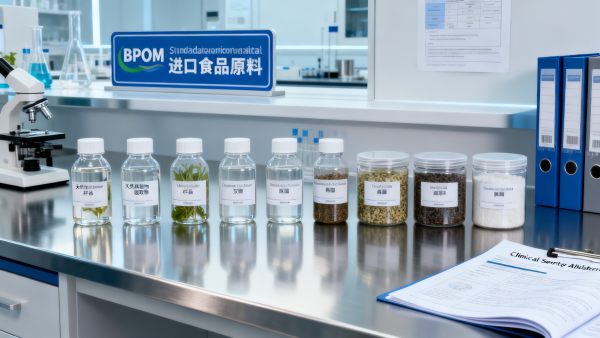
On May 12, 2026, the Indonesian Food and Drug Authority (BPOM) issued Regulation No. 17/2026, mandating that all imported dietary supplements and functional foods containing natural ingredients—including plant extracts and fungal fermentation products—must be accompanied by a BPOM-recognized ‘Clinical Safety Summary’. This requirement affects over USD 210 million in annual natural ingredient trade between China and Indonesia and is set to take full effect on August 1, 2026. Companies involved in cross-border trade of botanical and microbiologically derived functional ingredients should prioritize compliance planning.
Event Overview
On May 12, 2026, BPOM published Perka BPOM No. 17/2026. The regulation requires importers of dietary supplements and functional foods containing natural ingredients—specifically plant extracts and fungal fermentation products—to submit a ‘Clinical Safety Summary’ certified by a BPOM-accredited laboratory. The summary must include data on daily intake thresholds, potential drug interactions, and contraindications for special populations (e.g., pregnant women, children, elderly, or those with comorbidities). Enforcement begins August 1, 2026.
Which Subsectors Are Affected
Direct Importers and Exporters
These entities are directly responsible for customs clearance and regulatory documentation. Under the new rule, they must now secure and submit Clinical Safety Summaries prior to shipment—not after arrival. Failure to provide valid summaries will result in import rejection or extended customs hold times, increasing lead time and storage costs.
Raw Material Sourcing Firms
Firms procuring natural ingredients from upstream suppliers (e.g., Chinese herbal extract manufacturers) face heightened due diligence requirements. They must verify whether their suppliers have already commissioned BPOM-recognized labs to generate compliant safety summaries—or whether such testing must be initiated independently per batch or SKU.
Manufacturers of Finished Products
Contract manufacturers and brand owners producing functional foods or supplements for the Indonesian market must ensure formulation-level safety assessments align with BPOM’s scope. Since the regulation applies to final products—not just raw materials—manufacturers may need to re-evaluate label claims, dosage forms, and combination ingredients against newly mandated interaction and contraindication data.
Distribution and Regulatory Support Providers
Local representatives, regulatory consultants, and logistics partners assisting foreign clients in Indonesia must update internal checklists and client onboarding protocols. Their capacity to coordinate lab testing, interpret BPOM’s evolving guidance on ‘recognized laboratories’, and manage timeline buffers for summary generation will become critical service differentiators.
What Stakeholders Should Monitor and Do Now
Track official updates on BPOM-recognized laboratories
The regulation references testing by ‘BPOM-accredited laboratories’, but the current list of authorized labs—including those outside Indonesia—is not yet publicly finalized. Stakeholders should monitor BPOM’s official portal and consult local regulatory agents for verified lab eligibility before commissioning studies.
Identify high-volume or high-risk ingredient categories early
Not all natural ingredients carry equal regulatory scrutiny. Plant extracts with known pharmacological activity (e.g., curcumin, ginseng, green tea catechins) or fungal metabolites used in immunity or metabolism support are likely priority categories for BPOM review. Prioritizing safety summaries for these ingredients ahead of the August deadline reduces last-minute bottlenecks.
Distinguish between policy issuance and operational readiness
Although Perka BPOM No. 17/2026 entered force upon publication (May 12), the August 1, 2026 enforcement date allows a three-month window. However, clinical safety assessments typically require 4–8 weeks to complete, depending on lab workload and data availability. Businesses should treat the May date as the start of implementation—not merely a notice period.
Prepare documentation workflows and supplier alignment
Importers must integrate Clinical Safety Summaries into existing import declaration packages. This includes updating internal SOPs, training procurement and QA teams, and formally requesting supporting documentation from upstream suppliers—preferably via contractual amendment or quality agreement addendum.
Editorial Perspective / Industry Observation
Observably, this regulation signals BPOM’s shift toward risk-proportionate oversight of natural ingredients—not a blanket restriction, but a targeted elevation of evidentiary standards for safety. Analysis shows it reflects broader ASEAN trends where regulators increasingly reference ICH and WHO guidelines for botanical product evaluation. From an industry perspective, it is less a sudden disruption and more a formalization of expectations already emerging in pre-market consultations. Current attention should focus on procedural readiness rather than strategic reassessment: the rule does not ban ingredients nor alter permitted health claims, but raises the bar for substantiation at point of entry.
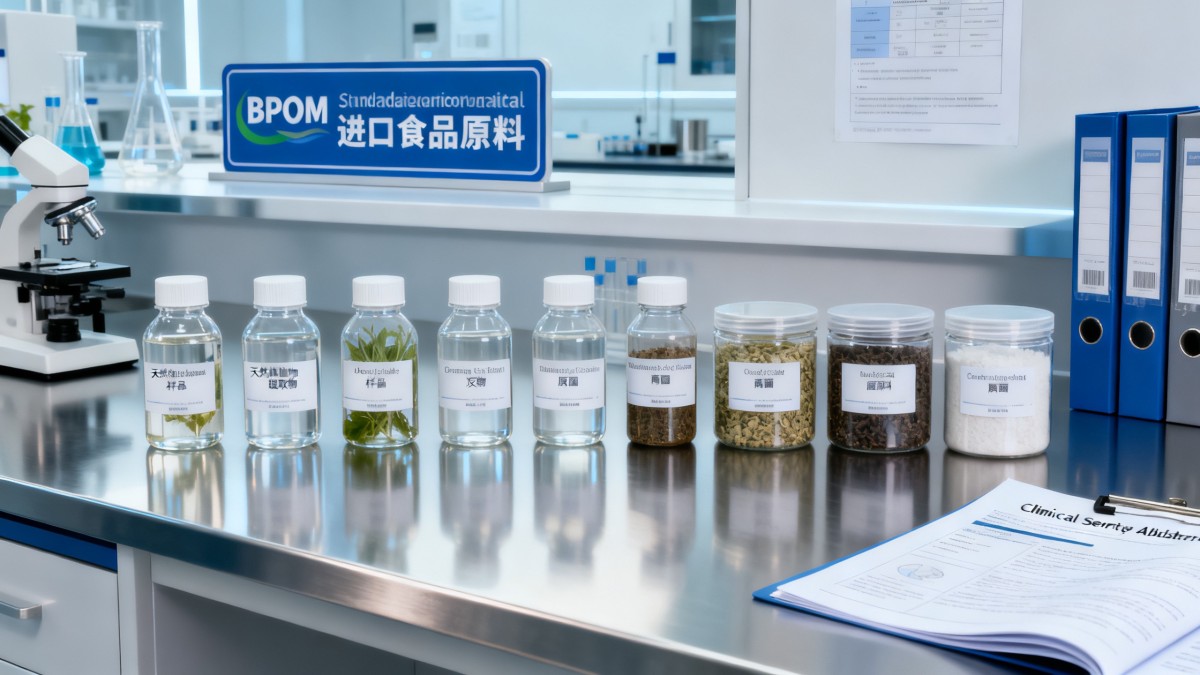
This update underscores how regulatory maturity in fast-growing markets like Indonesia is increasingly defined by documentation rigor—not just registration timelines. For exporters, it marks a transition from ‘compliance-by-formality’ to ‘compliance-by-evidence’. That shift is neither reversible nor isolated; similar requirements are under discussion in Vietnam and Thailand, suggesting this may be the first in a regional wave of clinical-data-linked import controls.
Information Source: BPOM Regulation No. 17/2026 (Perka BPOM No. 17 Tahun 2026), published May 12, 2026. Note: The official list of BPOM-recognized laboratories remains pending public release and is subject to ongoing verification.
Related Intelligence
- Natural IngredientsFreeze-Dried Fruit Ingredients: A Packaging Checklist for Bulk StorageBuying freeze dried fruit ingredients? Use this bulk packaging checklist to assess moisture barriers, seals, and pack sizes, reduce waste, and protect quality from storage to production.
- Natural IngredientsBotanical Ingredient Prices in Europe: Comparing Quotes by Grade and Order VolumeCompare Europe botanical ingredients price quotes by grade and order volume. Discover how potency, testing, delivery, and inventory costs reveal real savings before you buy.
- Natural IngredientsMayonnaise vs. Salad Dressing: Ingredient and Texture DifferencesMayonnaise vs. salad dressing: discover key ingredient, texture, stability, and application differences to choose the right product for every recipe.
The Morning Broadsheet
Daily chemical briefings, market shifts, and peer-reviewed summaries delivered to your terminal.
