

The Authority in Global Agricultural Chemistry & Bio-Resources
U.S. Brews to Barns Act Proposes Tax Credit to Strengthen Spent Grain Feed Supply Chains
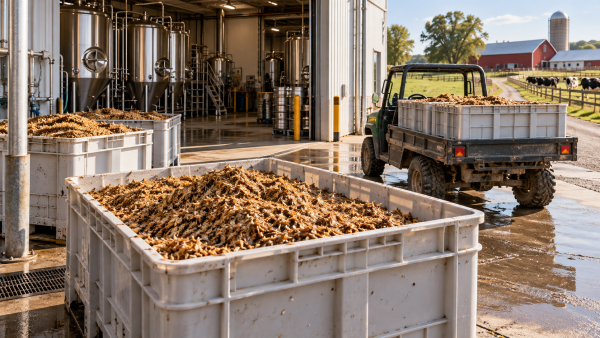
According to the supplied event summary, U.S. Representatives Mike Kelly, Brad Schneider and others introduced the bipartisan Brews to Barns Act on October 27, 2026, proposing a federal excise tax credit for brewers that donate spent grain to farmers for agricultural and feed uses. The proposal targets a connection between brewery byproduct handling and local livestock feed sourcing. For small brewers and nearby farmers, its potential significance lies in whether a donation incentive could support more predictable supply arrangements. Introduction of the bill should be understood as a legislative development, rather than confirmation that the credit is available.
A Proposed Credit Tied to Spent Grain Donations
The bill would establish a federal excise tax credit of 8 cents per pound for brewers donating spent grain to farmers for agricultural and feed purposes, with a cap of $35,000 per brewery. Its stated aims are to reduce handling costs for small brewers, provide farmers with a low-cost feed source, and strengthen local supply chain cooperation between brewing and livestock operations.
The proposed incentive connects tax relief for brewers with the donation of spent grain. The supplied information describes the introduction of the bill; it does not establish enactment, an effective date or an operational claims process.
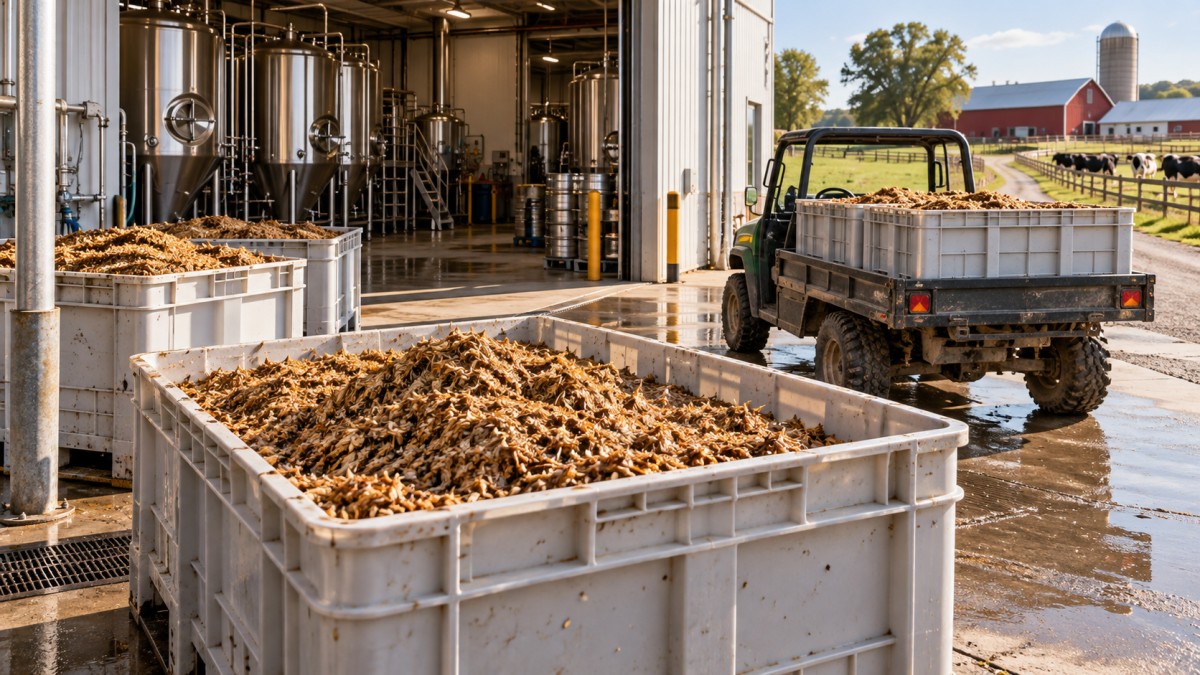
Potential Changes at the Brewery-to-Farm Handoff
Brewers Could Reassess Byproduct Handling Arrangements
From an industry perspective, the proposed credit could give brewers an additional reason to evaluate spent grain donations as part of their handling arrangements. Any practical benefit would depend on eligibility and implementation details that are not provided in the event summary. Brewers considering participation could review donation volumes, recipient relationships and collection arrangements, while keeping any anticipated tax benefit conditional on the bill becoming law and applicable requirements being clarified.
Farmers Could Explore an Additional Local Feed Source
Analysis suggests that livestock farmers could benefit if the incentive encourages brewers to maintain or expand donation relationships. The purchasing implications would depend on the quantities available, collection schedules and suitability of the material for the intended use. Farmers could assess those factors before incorporating prospective donations into feed procurement plans; the proposal alone does not establish a guaranteed supply or a confirmed reduction in farm costs.
Collection and Delivery Could Shape Participation
As an operational observation, brewery-to-farm cooperation may depend on how the parties coordinate collection and delivery. A potential tax benefit would not, by itself, resolve scheduling or responsibility for handling the material. Participating businesses could therefore assess who would arrange transport, acknowledge receipt and maintain transaction records. These are suggested planning considerations, not confirmed duties under the proposed bill.
What Businesses Can Prepare While Details Remain Open
Track Eligibility and the Meaning of a Qualifying Donation
Brewers could monitor subsequent legislative information for clarification of eligible donors, recipients, uses and qualifying quantities. The supplied summary does not explain these boundaries. Businesses should therefore treat their own potential eligibility as a matter for verification rather than an established entitlement.
Review How Donation Quantities Could Be Documented
Because the proposed credit is expressed per pound, analysis suggests that reliable quantity records could become relevant to assessing or supporting a potential claim. Brewers and farmers could review whether their existing records capture the amount transferred and the receiving party. No particular weighing method, form, retention period or certification requirement is established by the supplied information.
Keep Procurement and Cost Assumptions Conditional
As a planning recommendation, brewers could assess donation arrangements both with and without the proposed credit, while farmers could evaluate prospective supplies against their actual feed needs. This would help businesses distinguish a workable local arrangement from one whose economics depend on an incentive that has not been confirmed as available. Any agreement could also clarify expected quantities and collection responsibilities without assuming a legislative outcome.
Legislative Introduction Signals Intent, Not an Available Benefit
Editorial analysis suggests that the bill is best understood as a proposal to use tax policy to encourage local cooperation between breweries and farms. Its stated direction is clear, but its eventual commercial effect remains uncertain. Subsequent legislative progress, the final scope of any credit and implementation guidance would be relevant to determining whether businesses could use it in practice.
The distinction matters for supply planning: an announced incentive may encourage discussions between potential partners, but it does not establish the timing or terms of future deliveries. Industry feedback on participation and practical handling arrangements would also help indicate whether the proposal could support sustained cooperation.
A Basis for Exploring Local Partnerships
On the information supplied, the Brews to Barns Act offers a proposed financial incentive for linking spent grain donations with agricultural and feed uses. A reasonable business response is to explore suitable local relationships, review operational feasibility and follow the legislative process. Any expected savings or supply improvements should remain conditional until the relevant rules and actual participation are clearer.
Reporting Basis and Matters Requiring Verification
This article is based solely on the user-provided news title, event date and event summary. No specific official source link was supplied, and the reported legislative development requires continued verification against official legislative materials and announcements from the bill's sponsors. Subsequent monitoring should focus on the bill's status, any final eligibility and documentation provisions, implementation timing, and feedback from brewers and farmers. Operational suggestions and potential effects discussed above are analysis, not confirmed legal requirements or observed market outcomes.
Related Intelligence
- Commercial Feed PelletU.S. Brews to Barns Act Proposes Tax Credit to Strengthen Spent Grain Feed Supply ChainsBrews to Barns Act proposes a tax credit for spent grain donations. Explore how it could help brewers reduce handling costs and farmers strengthen local feed supply chains.
- Commercial Feed PelletHow Do You Accurately Compare Feed Machinery Output Capacity?Learn how to compare feed machinery output capacity accurately using matched specs, sustained tests, and energy data. Avoid costly sizing mistakes and choose the right system.
- Commercial Feed PelletFire Quickly Extinguished in Grinder Bin at Baiada’s Cardiff Feed Mill in AustraliaBaiada’s Cardiff feed mill fire was reportedly contained quickly. Explore grinder bin safety, restart uncertainties and key supply continuity checks for feed buyers.
The Morning Broadsheet
Daily chemical briefings, market shifts, and peer-reviewed summaries delivered to your terminal.