

The Authority in Global Agricultural Chemistry & Bio-Resources
Global Chemical Giants Including BASF, Wanhua, and Huntsman Announce Price Hikes in March, with Key Chemicals Like MDI and Polyols Seeing Up to 50% Increase in Export Quotes
Introduction
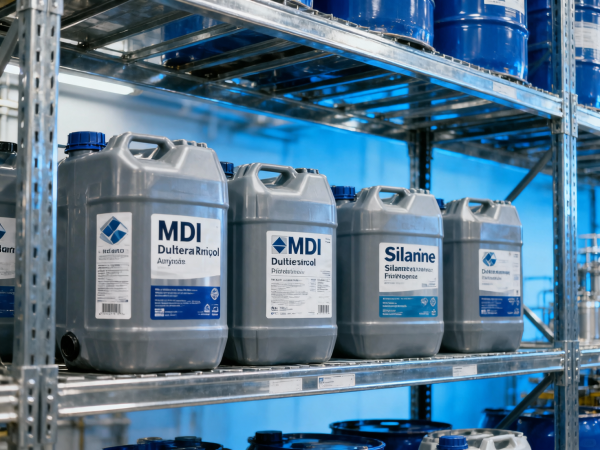
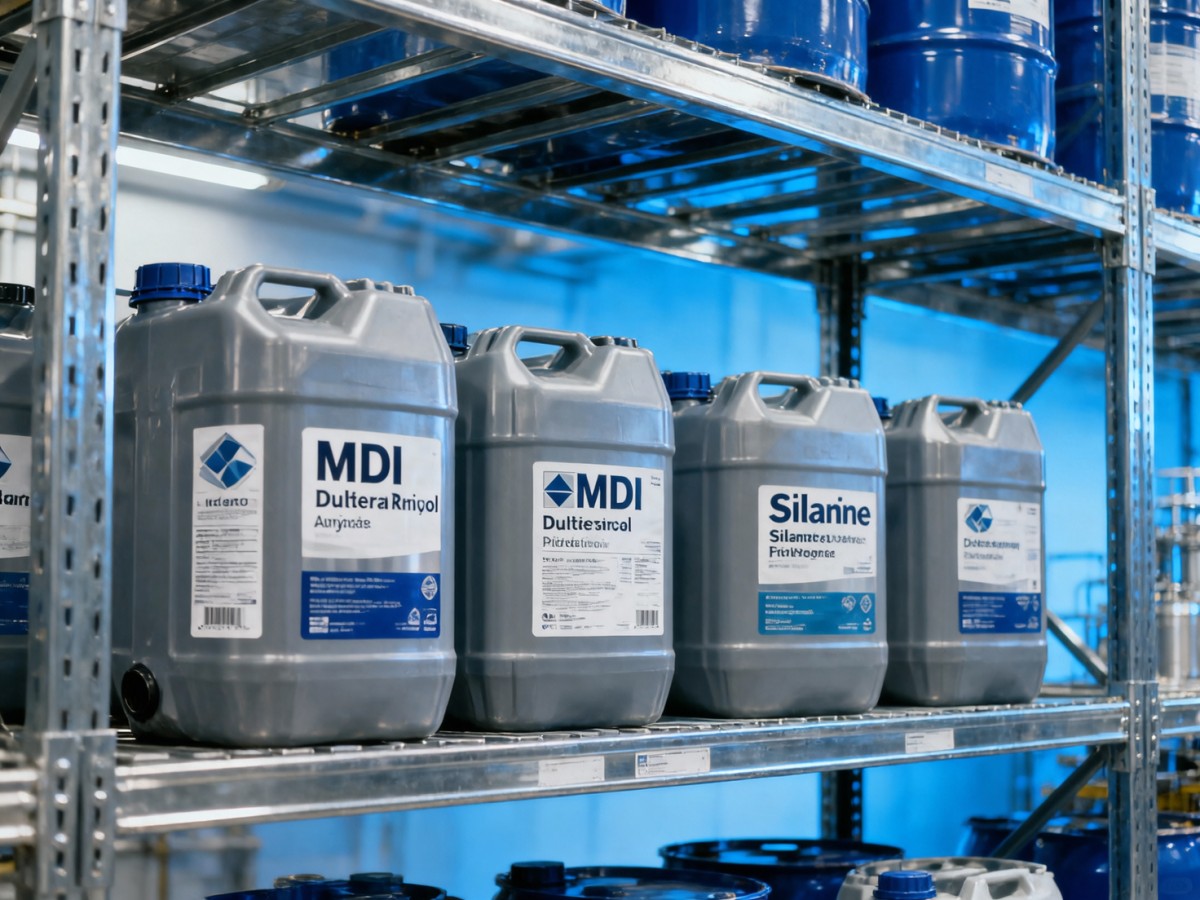
From March 17 to 23, 2026, major global chemical companies such as BASF, Wanhua Chemical, Huntsman, and Evonik announced significant price increases for key chemicals, including MDI, polyols, and silanes, with export quotes rising by up to 50%. The delivery cycle for mainstream chemicals has extended to 8–12 weeks due to supply chain disruptions and rising shipping costs. Industries reliant on these materials, such as construction, automotive, and electronics, should closely monitor these developments to adjust procurement and inventory strategies.
Event Overview
Between March 17 and 23, 2026, several leading chemical manufacturers issued price adjustment notices. BASF raised European polyol prices by €350/ton, Wanhua Chemical increased MDI prices in Hungary by €500/ton, Huntsman added a €200/ton hike for MDI in the EMEI region along with a natural gas surcharge, and Evonik raised silane prices in the Asia-Pacific region by 20%. These adjustments, coupled with Middle Eastern feedstock supply disruptions and higher maritime logistics costs, have pushed delivery timelines to 8–12 weeks for key chemical exports.
Impact on Sub-Sectors
Direct Trading Enterprises
Importers and distributors face immediate cost pressures, requiring renegotiations with downstream clients or absorption of margin erosion. Contracts with fixed pricing terms may need urgent revisions.
Raw Material Procurement Teams
Manufacturers dependent on MDI, polyols, or silanes must reassess Q2 budgets and explore alternative suppliers or formulations to mitigate cost spikes.
Processing and Manufacturing
Extended lead times disrupt production schedules, particularly in industries like insulation, adhesives, and coatings. Contingency plans for raw material shortages are critical.
Supply Chain Services
Logistics providers must account for prolonged transit times and potential bottlenecks at key ports, advising clients to secure early bookings.
Key Focus Areas and Recommended Actions
Monitor Official Updates
Track further announcements from major producers regarding additional surcharges or force majeure declarations that could exacerbate supply constraints.
Prioritize Inventory and Supplier Allocation
Evaluate safety stock levels and diversify sourcing strategies, with heightened attention to Chinese suppliers’ capacity allocation amid global shortages.
Adjust Procurement Timelines
Factor in the 8–12 week delivery window for orders, aligning production plans with realistic material arrival dates to avoid downtime.
Editor’s Perspective / Industry Observation
Analysis suggests this pricing wave reflects deeper supply-chain vulnerabilities rather than temporary fluctuations. The concurrent rise in energy-linked surcharges (e.g., Huntsman’s natural gas fee) indicates broader inflationary pressures. Industries should treat this as a signal to reassess long-term supplier agreements and explore cost-pass-through mechanisms with downstream partners.
Conclusion
This series of price revisions underscores the fragility of global chemical supply chains amid geopolitical and logistical challenges. While the immediate impact is financial, the operational ripple effects—extended lead times and inventory recalibrations—will persist through Q2 2026. Stakeholders should interpret this as a call to enhance supply-chain agility rather than a transient pricing anomaly.
Source Information
• BASF SE: European Polyols Price Adjustment Notice (March 17, 2026)
• Wanhua Chemical: Hungary MDI Price Announcement (March 19, 2026)
• Huntsman Corporation: EMEI Region MDI Surcharge Update (March 21, 2026)
• Evonik Industries: Asia-Pacific Silane Pricing Revision (March 23, 2026)
• Ongoing monitoring required for Middle East feedstock supply status and maritime freight rate fluctuations.
Related Intelligence
- APIs & IntermediatesWood Preservative Prices in the USA: Bulk Costs by Chemical TypeSearching for “wood preservatives price USA”? Compare bulk chemical types, uncover hidden delivery costs, and learn how to choose compliant treatments at the best value.
- APIs & IntermediatesLiaoning Fine Chemicals Institute for New Industrialization Opens in ShenyangLiaoning Fine Chemicals Institute for New Industrialization opens in Shenyang. Explore its plans to link research, pilot-scale development and enterprise services to drive chemical innovation.
- APIs & IntermediatesBuyer-Oriented Category Guides: How to Compare Options Beyond PriceUse buyer oriented category guides to compare quality, lifecycle costs, compliance, and supplier reliability beyond price. Discover how to reduce purchasing risk and choose lasting value.
The Morning Broadsheet
Daily chemical briefings, market shifts, and peer-reviewed summaries delivered to your terminal.
