

The Authority in Global Agricultural Chemistry & Bio-Resources
UK Plans Comprehensive Ban on 5 POPs Chemicals, Tightens PFOS Limits, Impacting China's Fluorochemical Exports and Compliance Strategies
UK Plans Comprehensive Ban on 5 POPs Chemicals, Tightens PFOS Limits, Impacting China's Fluorochemical Exports and Compliance Strategies
Introduction
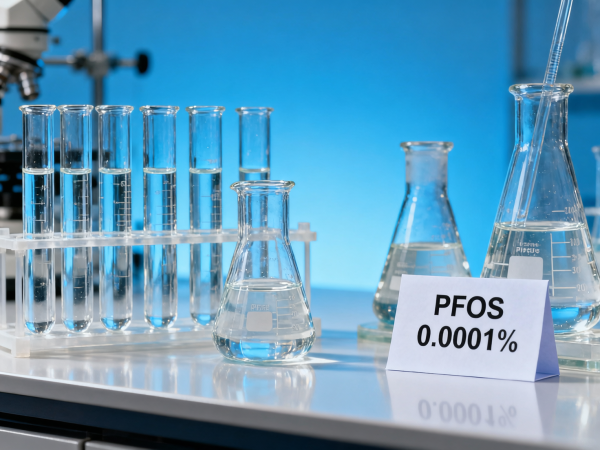
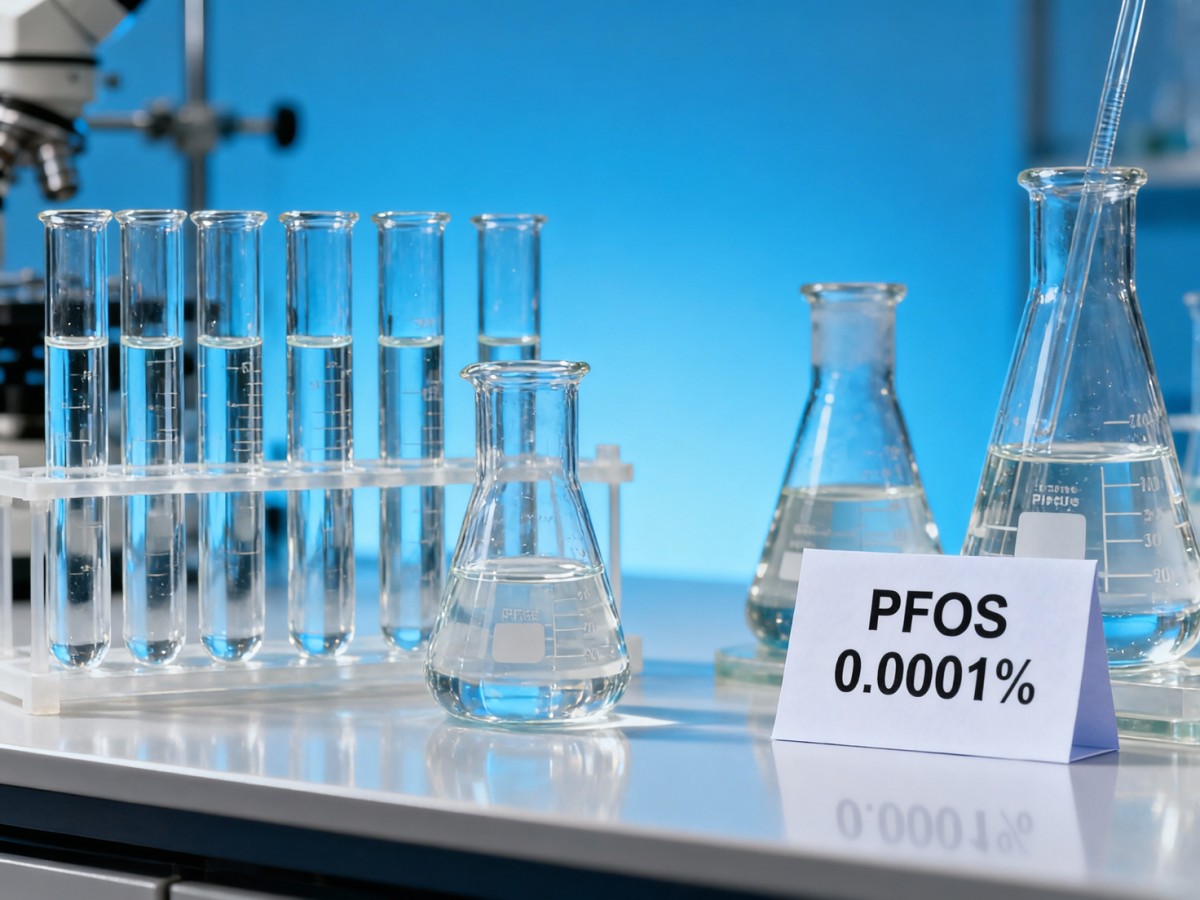
On March 25, 2026, the UK Environment Agency released a revised draft of its POPs (Persistent Organic Pollutants) regulation, proposing a phased total ban on five categories of chemicals, including Dechlorane Plus and long-chain perfluorocarboxylic acids (LC-PFCAs). The regulation also significantly tightens the limit for PFOS (perfluorooctane sulfonate) in consumer products to 0.0001% (1 mg/kg), far stricter than the current EU standards. This move directly impacts Chinese exports of fluoropolymers, waterproofing agents, firefighting foams, and electronic coatings, requiring immediate compliance assessments by overseas importers. Chinese industry leaders have already begun exploring low-fluorine or fluorine-free alternatives.
Event Overview
The UK Environment Agency's draft revision to the POPs regulation, announced on March 25, 2026, targets five categories of persistent organic pollutants for a phased total ban. The chemicals affected include Dechlorane Plus and LC-PFCAs. Additionally, the regulation imposes a stringent new limit of 0.0001% (1 mg/kg) for PFOS in consumer products, which is significantly lower than the current EU standards. The draft is now open for public consultation, with implementation expected in stages starting from 2027.
Impact on Specific Industries
Fluoropolymer Manufacturers
Chinese fluoropolymer producers exporting to the UK will face immediate compliance challenges. The tightened PFOS limit may require reformulation of existing products, potentially increasing production costs. Companies specializing in waterproof coatings and electronic protective layers are particularly vulnerable.
Firefighting Foam Suppliers
The fire safety industry, which relies heavily on PFOS-containing foams, must accelerate the development and adoption of alternative formulations. This sector may experience short-term supply chain disruptions during the transition period.
Textile and Apparel Exporters
Manufacturers using fluorochemical-based waterproofing agents for outdoor gear and performance wear need to reassess their material specifications. The ban on LC-PFCAs will particularly affect high-end waterproof textile producers.
Electronics Component Coatings
Electronic manufacturers applying protective fluorochemical coatings must verify compliance with the new PFOS limits. This may require costly testing and potential reformulation of conformal coatings and other protective layers.
Key Considerations and Recommended Actions
Immediate Compliance Assessment
p>Exporters should conduct thorough product testing against the proposed UK standards, particularly for PFOS content. Current inventory and production batches destined for the UK market require urgent evaluation.Supply Chain Communication
Engage with UK importers and distributors to clarify timelines and expectations. Joint testing protocols with downstream partners can help mitigate compliance risks.
Alternative Material Sourcing
Prioritize evaluation of emerging low-fluorine and fluorine-free alternatives. Several Chinese manufacturers have already developed preliminary solutions that warrant consideration.
Regulatory Monitoring
Establish mechanisms to track the finalization of UK regulations and potential ripple effects in other markets. The EU may follow with similar restrictions, making proactive adaptation strategically valuable.
Industry Perspective
From an industry standpoint, this regulatory move represents more than just a compliance update—it signals a broader shift toward stricter chemical controls in major export markets. While the immediate impact focuses on UK-bound products, the standards may influence global chemical regulations. The fluorochemical industry appears to be at an inflection point, where investment in alternative technologies could determine future market positioning. Current developments suggest that companies adopting early transition strategies may gain first-mover advantages in the evolving regulatory landscape.
Conclusion
The UK's proposed POPs regulation revision presents both challenges and opportunities for China's fluorochemical export sector. While compliance will require significant adjustments in the short term, the changes may accelerate innovation in sustainable chemistry. Industry players should view this development as part of a larger global trend toward stricter chemical controls, making proactive adaptation a strategic imperative rather than just a regulatory necessity. The coming months will be critical for assessing the full scope of impact and implementing effective transition plans.
Source Information
Primary source: UK Environment Agency POPs Regulation Revision Draft (March 25, 2026). Note: The implementation timeline and final standards may be subject to change following the consultation period. Industry associations are expected to release detailed guidance in the coming weeks.
Related Intelligence
- APIs & IntermediatesWood Preservative Prices in the USA: Bulk Costs by Chemical TypeSearching for “wood preservatives price USA”? Compare bulk chemical types, uncover hidden delivery costs, and learn how to choose compliant treatments at the best value.
- APIs & IntermediatesLiaoning Fine Chemicals Institute for New Industrialization Opens in ShenyangLiaoning Fine Chemicals Institute for New Industrialization opens in Shenyang. Explore its plans to link research, pilot-scale development and enterprise services to drive chemical innovation.
- APIs & IntermediatesBuyer-Oriented Category Guides: How to Compare Options Beyond PriceUse buyer oriented category guides to compare quality, lifecycle costs, compliance, and supplier reliability beyond price. Discover how to reduce purchasing risk and choose lasting value.
The Morning Broadsheet
Daily chemical briefings, market shifts, and peer-reviewed summaries delivered to your terminal.
