

The Authority in Global Agricultural Chemistry & Bio-Resources
Hydrochloric Acid Spikes 30.3% in a Single Day, Methylacrylic Acid Rises 12.86%: China's Basic Chemical Export Costs Under Pressure as Southeast Asian Buyers Shift to High-Purity, Small-Batch Customized Intermediates
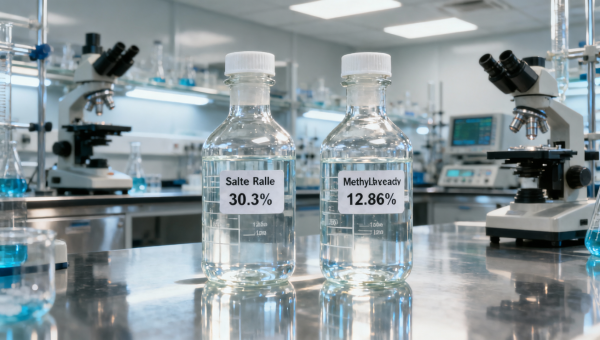
Hydrochloric Acid Spikes 30.3% in a Single Day, Methylacrylic Acid Rises 12.86%: China's Basic Chemical Export Costs Under Pressure as Southeast Asian Buyers Shift to High-Purity, Small-Batch Customized Intermediates
Introduction
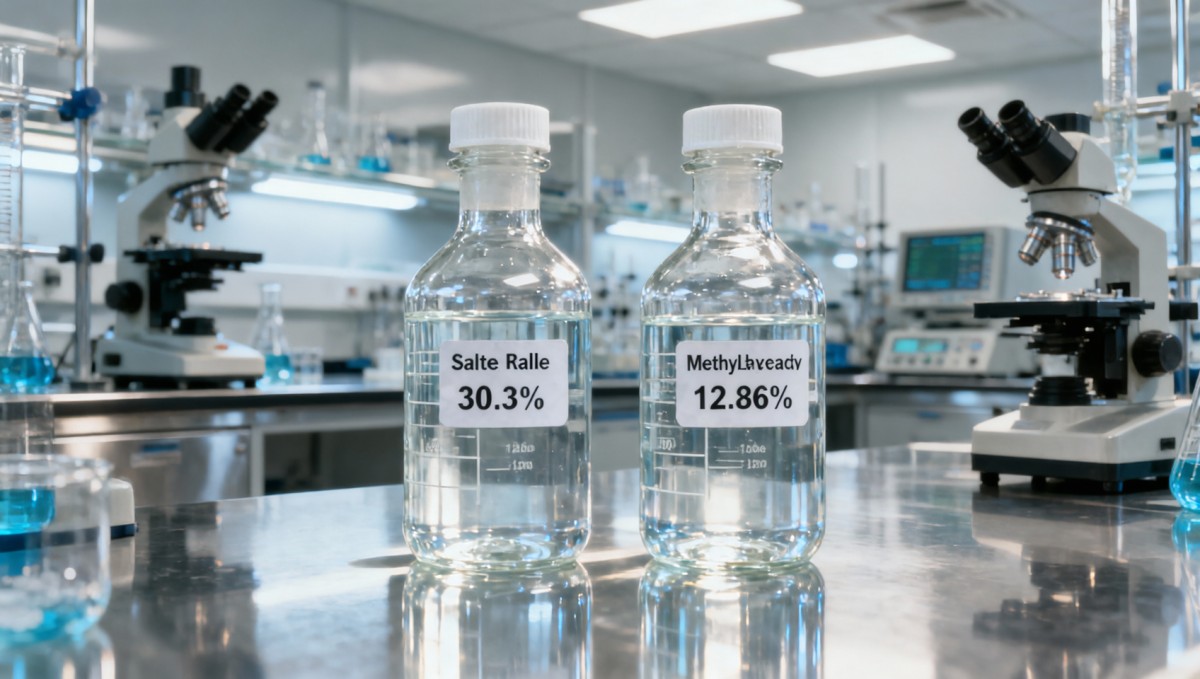
On March 26, 2026, data from Business Society revealed significant single-day price surges in basic chemicals, including hydrochloric acid (+30.3%), methylacrylic acid (+12.86%), and diethylene glycol (+8.48%). This sudden cost escalation is pressuring generic export pricing, prompting Southeast Asian distributors to pivot toward high-purity, small-batch, COA-certified customized intermediates (e.g., pharmaceutical-grade methyl methacrylate). Industries reliant on these chemicals, particularly pharmaceuticals, coatings, and adhesives, must assess supply chain vulnerabilities and adapt procurement strategies amid volatile market conditions.
Event Overview
Confirmed data as of March 26, 2026, shows unprecedented single-day price hikes for key industrial chemicals: hydrochloric acid (30.3%), methylacrylic acid (12.86%), and diethylene glycol (8.48%). The surge stems from upstream feedstock shortages and logistical constraints in China's chemical hubs. Notably, Southeast Asian buyers are actively seeking alternatives—specifically, certified high-purity intermediates with traceable documentation—to mitigate bulk-market volatility and comply with regional regulatory requirements.
Impact on Sub-Sectors
1. Direct Trade Enterprises
Exporters face margin compression as spot prices outpace contracted rates. Fixed-price agreements signed before the spike now risk losses unless force majeure clauses apply. Businesses must review pricing mechanisms for pending orders and prioritize clients requiring COA-backed specialty chemicals.
2. Raw Material Procurement Teams
Procurement managers in pharmaceutical and electronics sectors should audit inventory buffers for methylacrylic acid derivatives. The shift toward small-lot, high-purity purchases necessitates closer coordination with testing labs to validate material certifications (e.g., USP/EP standards) before shipment.
3. Processing Manufacturers
Downstream producers using hydrochloric acid for PVC or water treatment chemicals may encounter delayed deliveries. Contingency plans should include pre-qualifying alternative suppliers of reagent-grade HCl and negotiating flexible payment terms to absorb short-term cost fluctuations.
4. Distribution Networks
Southeast Asian distributors are stockpiling niche intermediates like pharmaceutical-grade MMA to avoid future shortages. Regional warehouses should rebalance inventories toward high-margin, low-volume specialty products rather than bulk commodities.
Key Focus Areas & Recommended Actions
Monitor Supply Chain Signals
Track announcements from major Chinese chlor-alkali plants for maintenance schedules or force majeure declarations that could prolong tight supply. Subscribe to real-time alerts from platforms like Business Society for price trajectory updates.
Diversify Sourcing Protocols
For critical intermediates like methylacrylic acid, develop a supplier shortlist capable of delivering ISO 17025-certified batches under 5-ton MOQs. Pilot-test alternative grades with end-users to validate performance parity.
Revise Contract Structures
Incorporate price adjustment clauses for Q2 2026 contracts, specifying quarterly or monthly renegotiation triggers based on feedstock indices. For spot purchases, consider CIF contracts to transfer logistics risk.
Leverage Regulatory Tailwinds
Capitalize on Southeast Asia's preference for certified materials by promoting GMP-compliant intermediates with full analytical documentation. Highlight COA traceability as a value differentiator in tender submissions.
Editorial Perspective
Analysis suggests this event reflects structural tensions in China's chemical sector, where environmental inspections and energy quotas intermittently disrupt production. The rapid buyer pivot to premium intermediates indicates a broader trend: Asian supply chains increasingly prioritize regulatory compliance over bulk pricing. While temporary corrections may occur, the volatility underscores the need for diversified sourcing and agile inventory management.
Conclusion
This price surge serves as a stress test for chemical supply chain resilience. Rather than a transient shock, it reveals accelerating demand for compliant, specialty-grade materials in regulated industries. Stakeholders should interpret the data as a prompt to audit supplier networks and recalibrate procurement strategies toward value-driven, rather than purely cost-driven, partnerships.
Information Sources
Primary data: Business Society (March 26, 2026). Ongoing monitoring required for:
- China Chlor-Alkali Industry Association output reports
- Southeast Asian customs clearance trends for pharmaceutical intermediates
Related Intelligence
- APIs & IntermediatesWood Preservative Prices in the USA: Bulk Costs by Chemical TypeSearching for “wood preservatives price USA”? Compare bulk chemical types, uncover hidden delivery costs, and learn how to choose compliant treatments at the best value.
- APIs & IntermediatesLiaoning Fine Chemicals Institute for New Industrialization Opens in ShenyangLiaoning Fine Chemicals Institute for New Industrialization opens in Shenyang. Explore its plans to link research, pilot-scale development and enterprise services to drive chemical innovation.
- APIs & IntermediatesBuyer-Oriented Category Guides: How to Compare Options Beyond PriceUse buyer oriented category guides to compare quality, lifecycle costs, compliance, and supplier reliability beyond price. Discover how to reduce purchasing risk and choose lasting value.
The Morning Broadsheet
Daily chemical briefings, market shifts, and peer-reviewed summaries delivered to your terminal.
