

The Authority in Global Agricultural Chemistry & Bio-Resources
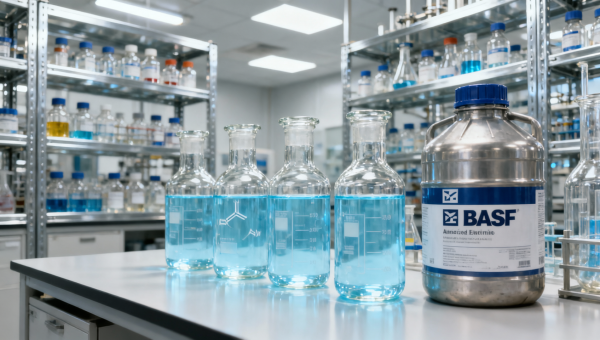
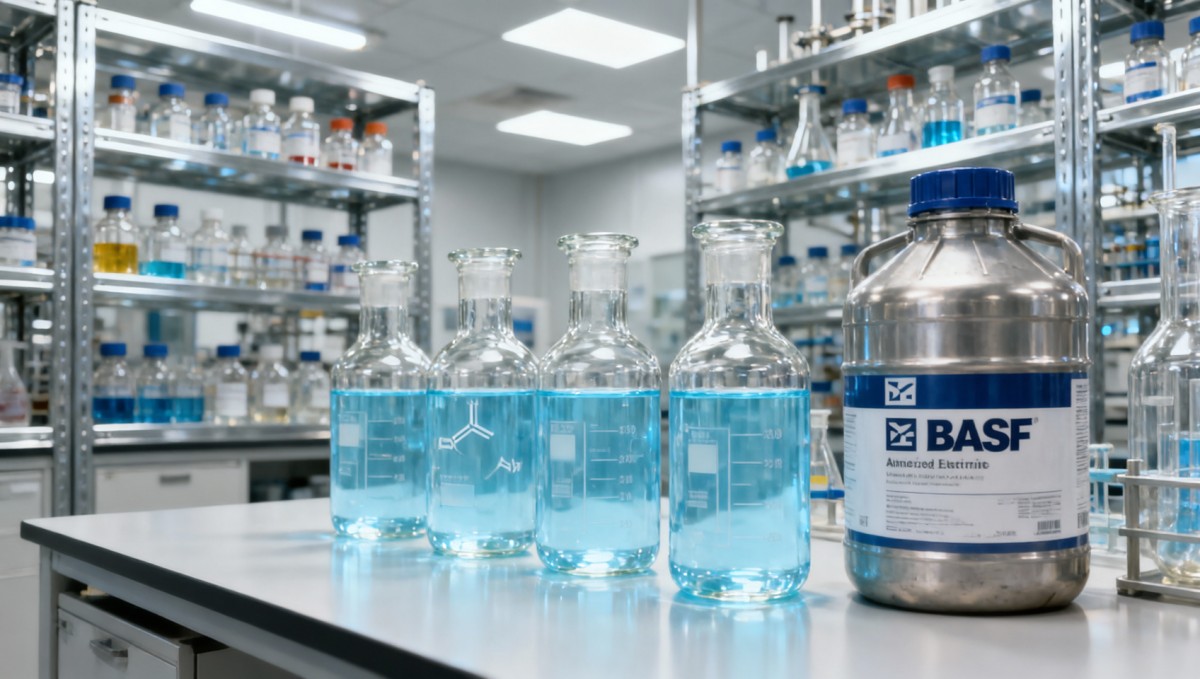
Global Chemical Giants Including BASF Raise Prices in March 2026: HER3-ADC Dual-Payload Materials and Electronic-Grade Amines See Up to 30% Surge, Delivery Times Extend to 10 Weeks
Global Chemical Giants Including BASF Raise Prices in March 2026: HER3-ADC Dual-Payload Materials and Electronic-Grade Amines See Up to 30% Surge, Delivery Times Extend to 10 Weeks
Introduction
On March 26, 2026, BASF announced a price increase of up to 30% for basic amines (such as ethanolamines, ethylenamines, and isopropanolamines) in Europe, effective immediately. This move was quickly followed by other industry leaders like Lanxess and Dow. These amines are critical precursors for electronic chemicals, pharmaceutical intermediates (e.g., KHN922 dual-payload ADC linker materials for Conhong Pharmaceutical), and agrochemical synthesis. The price hike and extended delivery cycles (8–12 weeks) pose significant challenges for overseas buyers, who must now evaluate alternative suppliers in China and reassess localized inventory strategies. This development is particularly relevant for the electronics, pharmaceuticals, and agrochemical industries, as it directly impacts production costs and supply chain stability.
Event Overview
On March 26, 2026, BASF implemented a price increase of up to 30% for key amine products in Europe. Competitors such as Lanxess and Dow followed suit, signaling a broad industry trend. The affected amines are essential for producing electronic-grade chemicals, pharmaceutical intermediates (including critical components for ADC therapies), and agrochemicals. Delivery times have also been extended to 8–12 weeks, creating additional pressure on procurement teams. This situation underscores the growing volatility in the global chemical supply chain and the need for strategic adjustments.
Impact on Key Industries
1. Pharmaceutical Industry
The price surge and delivery delays for amines like ethanolamines and ethyleneamines directly affect the production of antibody-drug conjugates (ADCs), particularly those requiring dual-payload linkers. Companies like Conhong Pharmaceutical, which relies on these materials for KHN922, may face higher production costs and potential delays in drug development timelines.
2. Electronics Manufacturing
Electronic-grade amines are vital for semiconductor and PCB production. The price hike could lead to increased costs for electronic components, affecting downstream manufacturers. Companies dependent on these chemicals must explore alternative suppliers or risk margin compression.
3. Agrochemical Sector
Amines are key intermediates in herbicide and pesticide formulations. The price increase may force agrochemical producers to either absorb higher costs or pass them on to farmers, potentially disrupting agricultural supply chains.
Key Considerations and Recommended Actions
1. Evaluate Alternative Suppliers
Given the extended delivery times and price volatility, companies should assess the feasibility of sourcing amines from Chinese suppliers or other regions with shorter lead times.
2. Optimize Inventory Strategies
Businesses should consider building safety stocks or negotiating longer-term contracts to mitigate future price fluctuations and supply disruptions.
3. Monitor Market Signals
Close attention should be paid to further announcements from BASF, Lanxess, and Dow, as well as potential policy changes in key producing regions like Europe and China.
Editorial Perspective / Industry Observation
From an industry standpoint, this price hike reflects broader supply chain tensions in the chemical sector. The simultaneous action by multiple giants suggests a coordinated response to rising raw material costs or logistical challenges. While the immediate impact is clear, the long-term implications—such as shifts in regional supply chains or increased R&D for alternative materials—remain to be seen. Companies should treat this as a signal to reassess their supply chain resilience rather than a one-off event.
Conclusion
The March 2026 price increases by BASF and other chemical giants highlight the fragility of global supply chains for critical amines. Industries reliant on these materials must act swiftly to secure alternatives, optimize inventories, and prepare for continued volatility. While the situation is challenging, it also presents an opportunity for businesses to strengthen their supply chain strategies and reduce dependency on single-source suppliers.
Source Information
Primary sources: BASF official announcement, Lanxess and Dow press releases. Additional market data from industry procurement platforms. Note: The situation remains fluid, and further updates from suppliers are expected in the coming weeks.
Related Intelligence
- APIs & IntermediatesWood Preservative Prices in the USA: Bulk Costs by Chemical TypeSearching for “wood preservatives price USA”? Compare bulk chemical types, uncover hidden delivery costs, and learn how to choose compliant treatments at the best value.
- APIs & IntermediatesLiaoning Fine Chemicals Institute for New Industrialization Opens in ShenyangLiaoning Fine Chemicals Institute for New Industrialization opens in Shenyang. Explore its plans to link research, pilot-scale development and enterprise services to drive chemical innovation.
- APIs & IntermediatesBuyer-Oriented Category Guides: How to Compare Options Beyond PriceUse buyer oriented category guides to compare quality, lifecycle costs, compliance, and supplier reliability beyond price. Discover how to reduce purchasing risk and choose lasting value.
The Morning Broadsheet
Daily chemical briefings, market shifts, and peer-reviewed summaries delivered to your terminal.
