

The Authority in Global Agricultural Chemistry & Bio-Resources
Planning for ISO Standards in Aquaculture: Where Should Farms Start?
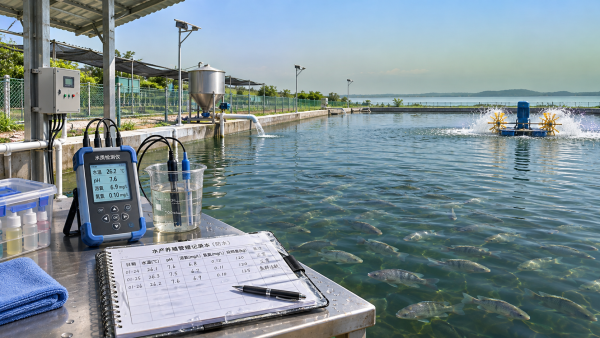
A farm may keep careful feeding records and respond quickly to fish health problems, yet still struggle to show a buyer how those decisions are controlled. That gap between work done and evidence available is often where preparation for an ISO management system begins.
Effective aquaculture ISO planning starts with the farm’s species, production methods, operational risks, legal obligations and customer requirements—not with a stack of procedures copied from another site. For quality control and safety managers, the immediate task is to determine which standard serves a genuine business need, identify gaps in current practice and build a system that staff can use during a busy production day.
Decide what the management system needs to achieve
“ISO certification” is not a single approval covering every aspect of an aquaculture operation. Different standards address different management objectives, and certification to one does not automatically demonstrate compliance with another. Before selecting a standard, ask what problem the farm needs to solve and who expects evidence of performance.
A customer may want confidence in food safety controls for harvested fish. A farm group may be more concerned about managing environmental impacts across several sites. Senior management may want a consistent quality system before expanding production or supplying more demanding markets. These objectives can overlap, but they lead to different choices.
Start with a short discussion involving farm operations, quality, maintenance, procurement and management. Record the answers to four questions:
- What activities and locations would the system cover?
- Which risks could affect product safety, quality, the environment or worker safety?
- What do regulators, customers and other interested parties actually require?
- Does the business need independent certification, or would using a standard as an internal framework meet its immediate needs?
The distinction matters. A well-run internal system may address operational priorities, but a buyer requesting an accredited certificate will normally expect an audit by an appropriate certification body. Confirm the exact requirement before committing resources.
Choose standards based on the operation, not a generic list
Several ISO standards may be relevant to aquaculture, depending on the farm’s activities and supply chain position. The following are starting points for discussion, not a recommendation that every farm pursue all of them.
These standards do not replace permits, veterinary requirements, food safety law or other applicable regulation. Nor does a certificate guarantee that every product is safe or every incident has been prevented. Each standard has its own scope and requirements; use the current official edition and obtain competent advice when interpreting how it applies to the farm.
Also check whether customers require a particular aquaculture certification scheme rather than, or in addition to, an ISO management system. Scheme rules may include species-specific production, welfare or environmental criteria that are not the same as ISO requirements.
Draw the farm’s process before writing procedures
A practical scope statement should describe the sites, activities and products included. It should also make boundaries clear. Does the farm operate a hatchery? Is harvesting performed by employees or a contractor? Does ownership of the product pass at the pond, at a landing site or after chilling and packing?
Map the flow from inputs to dispatch. Depending on the business, this may include broodstock or juvenile sourcing, transport, water intake, stocking, feeding, health monitoring, treatment, harvesting, chilling, storage and shipment. Add the supporting activities that can affect outcomes: equipment maintenance, laboratory testing, supplier approval, staff training and waste handling.
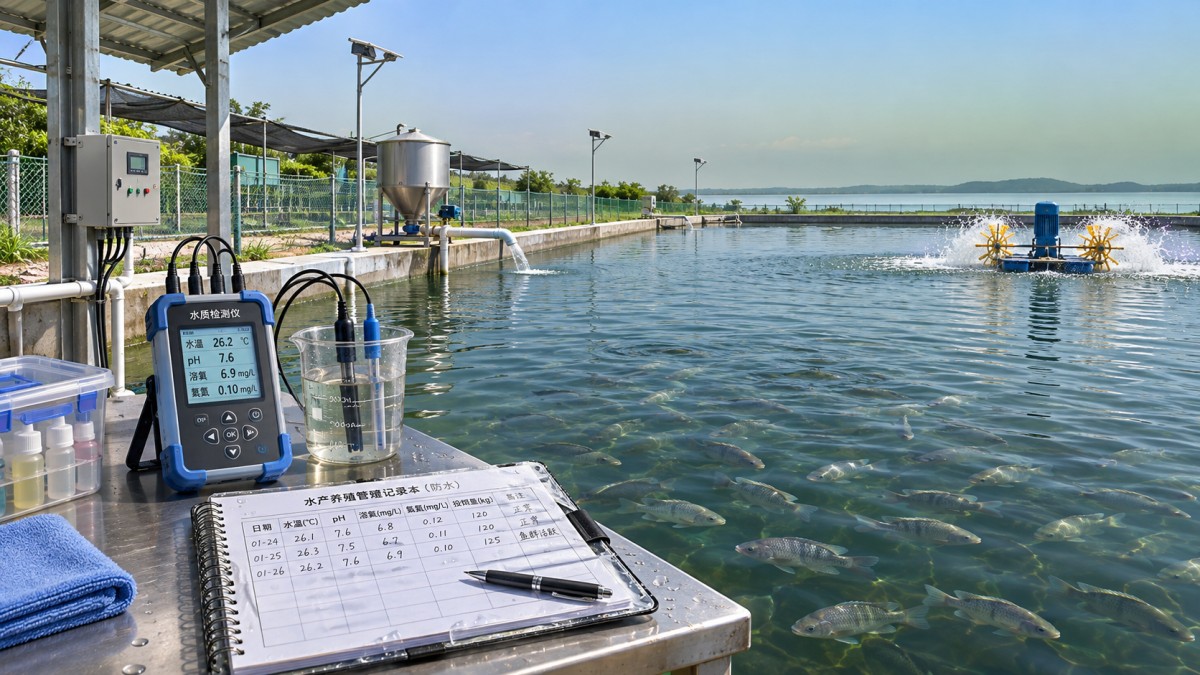
This exercise often exposes handover risks. For example, a farm may have a clear harvest procedure, while a contracted transporter controls vehicle hygiene and temperature after loading. The management system should identify who checks those conditions, what evidence is retained and what happens when requirements are not met.
For multi-site businesses, resist assuming that one procedure will fit every location without adjustment. A recirculating facility, a pond farm and a marine cage site may share management principles, but their water controls, access arrangements and emergency responses can differ substantially.
Turn operational risks into a usable gap assessment
A gap assessment compares the selected standard’s requirements with what the farm already does and can demonstrate. It is more useful when conducted on site than when completed solely at a desk. Walk the process, talk to the people doing the work and trace a recent production lot through the available records.
Group findings by operational area, then connect them to the applicable standard. Typical areas for review include:
- Stock health and biosecurity: sourcing, quarantine where applicable, movement controls, mortality observations, veterinary oversight and response to suspected disease.
- Feed and treatment inputs: supplier approval, storage conditions, batch identification, authorized use of treatments and applicable withdrawal periods.
- Water and environment: monitoring appropriate to the site, discharge obligations, chemical storage, waste disposal and response to abnormal conditions.
- Harvest and product handling: equipment cleanliness, handling practices, temperature control where relevant, lot identification and transport handovers.
- People and equipment: role-specific competence, maintenance, calibration or verification of measuring equipment, and safe working practices.
For each finding, capture the requirement, current practice, evidence, gap, responsible person and target date. Distinguish between a control that is missing and one that exists but is not consistently recorded. Both need attention, but the remedy may be different.
A useful priority test is simple: could this gap contribute to unsafe product, a serious incident, a regulatory breach or loss of traceability? If so, address it ahead of cosmetic document changes. Consider likelihood and consequences, but also the reliability of existing controls and how quickly a problem could be detected.
Food safety hazards need more than a checklist
If ISO 22000 is under consideration, food safety planning requires a systematic hazard analysis suited to the products and processes in scope. Depending on the operation, relevant hazards may include biological contamination, chemical residues or physical contamination. Their significance cannot be determined from a generic list; it depends on the species, environment, inputs, handling and intended use.
Bring together people who understand production, product handling and applicable food safety requirements. Establish prerequisite programmes and evaluate hazards using competent technical input. Where testing is used, define what the result will tell the farm, how samples are handled and what action follows an unsatisfactory result. Testing alone does not substitute for effective process controls.
Build evidence around decisions people already make
Documentation should make important work repeatable and visible. It should not force staff to complete forms that no one reviews. Start with controls that influence risk and customer requirements, then document the information needed to show they were carried out.
A traceability record, for example, should allow the farm to connect a harvested lot to relevant production information and the next recipient. Depending on the system and applicable requirements, that may involve stock source, production unit, feed or treatment records, harvest date and dispatch details. Test the system in both directions: from a dispatched lot back through production, and from a selected input or production unit forward to affected lots.
Where a record reveals a deviation, the response matters as much as the entry. If a temperature reading falls outside the farm’s defined limit, staff need to know whom to notify, how to identify affected product and who is authorized to decide its disposition. Corrective action should also consider why the deviation occurred and whether the fix worked.
Set document ownership and revision controls so that staff can find the current version of an instruction. Electronic records can be useful, but a simple paper system may work if entries are legible, protected, retrievable and reviewed. Choose a method that survives the realities of wet conditions, shift changes and unreliable connectivity.
Prepare the team before inviting an auditor
Certification preparation is not complete when the procedures are approved. Managers need evidence that the system operates over time and that employees understand the controls relevant to their roles. A harvest worker should know what to do with damaged containers; a supervisor should know how to escalate an unusual mortality event. Neither should be expected to recite an entire standard.
Use short, task-based training and check understanding through observation or discussion. Keep records appropriate to the role, including refresher training when procedures change. Contractors should also understand the requirements that apply to their work and how nonconformities are reported.
Before a certification audit, conduct an internal audit against the selected standard and the farm’s own arrangements. People conducting it should be competent and sufficiently impartial for the activities being reviewed. Follow up findings, verify corrective actions and hold a management review using relevant information such as performance results, incidents, audit outcomes, compliance issues and resource needs.
When choosing a certification body, confirm that it offers certification to the relevant standard and scope, understands the activities being assessed and holds appropriate accreditation where the customer or market requires it. Ask how the audit will address multiple sites, seasonal activities and outsourced processes. Certification typically involves an initial assessment followed by ongoing surveillance and periodic recertification, subject to the body’s rules.
What should a farm do in the first 90 days?
The pace will depend on farm size, operational maturity and available resources. A sensible initial sequence is to define the scope and customer requirements, map the process, complete a risk-based gap assessment and assign actions to named owners. In parallel, preserve existing records and begin addressing critical control failures rather than waiting for a complete document set.
By the end of that period, management should have a defensible decision on which standard to pursue, a prioritized action plan and a clearer view of the expertise and budget required. A mature, auditable system may take longer to establish; readiness depends on evidence of effective implementation, not a calendar date.
Good aquaculture ISO planning gives quality and safety teams a way to connect everyday farm decisions with consistent oversight. The goal is not paperwork for its own sake. It is a system that makes risks visible, responsibilities clear and performance easier to verify when a customer, regulator or farm manager asks the difficult questions.
Related Intelligence
- APIs & IntermediatesBioprocessing Equipment Investment Costs: Budgeting Beyond Purchase PriceExplore bio processing equipment investment cost beyond purchase price. Budget for installation, utilities, validation, and lifetime expenses with confidence.
- APIs & IntermediatesPlanning for ISO Standards in Aquaculture: Where Should Farms Start?Aquaculture ISO planning starts here: choose the right standard, assess farm risks and build an audit-ready system with practical steps for your team.
- APIs & IntermediatesTraceable Chemical Intermediates: How to Verify Batch History Before PurchaseTraceable chemical intermediates start with a verified batch history. Learn what to check before purchase and reduce sourcing risks.
The Morning Broadsheet
Daily chemical briefings, market shifts, and peer-reviewed summaries delivered to your terminal.
