

The Authority in Global Agricultural Chemistry & Bio-Resources
UK Plans Comprehensive Ban on 5 POPs Chemicals, Tightens PFOS Limits, Impacting China's Fluorochemical Exports and Compliance Strategies
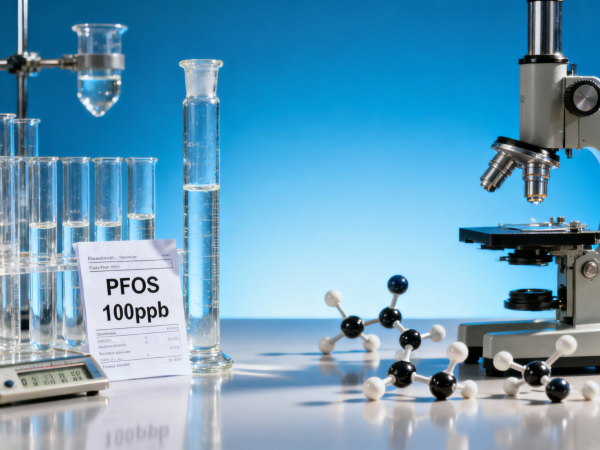
UK Plans Comprehensive Ban on 5 POPs Chemicals, Tightens PFOS Limits, Impacting China's Fluorochemical Exports and Compliance Strategies
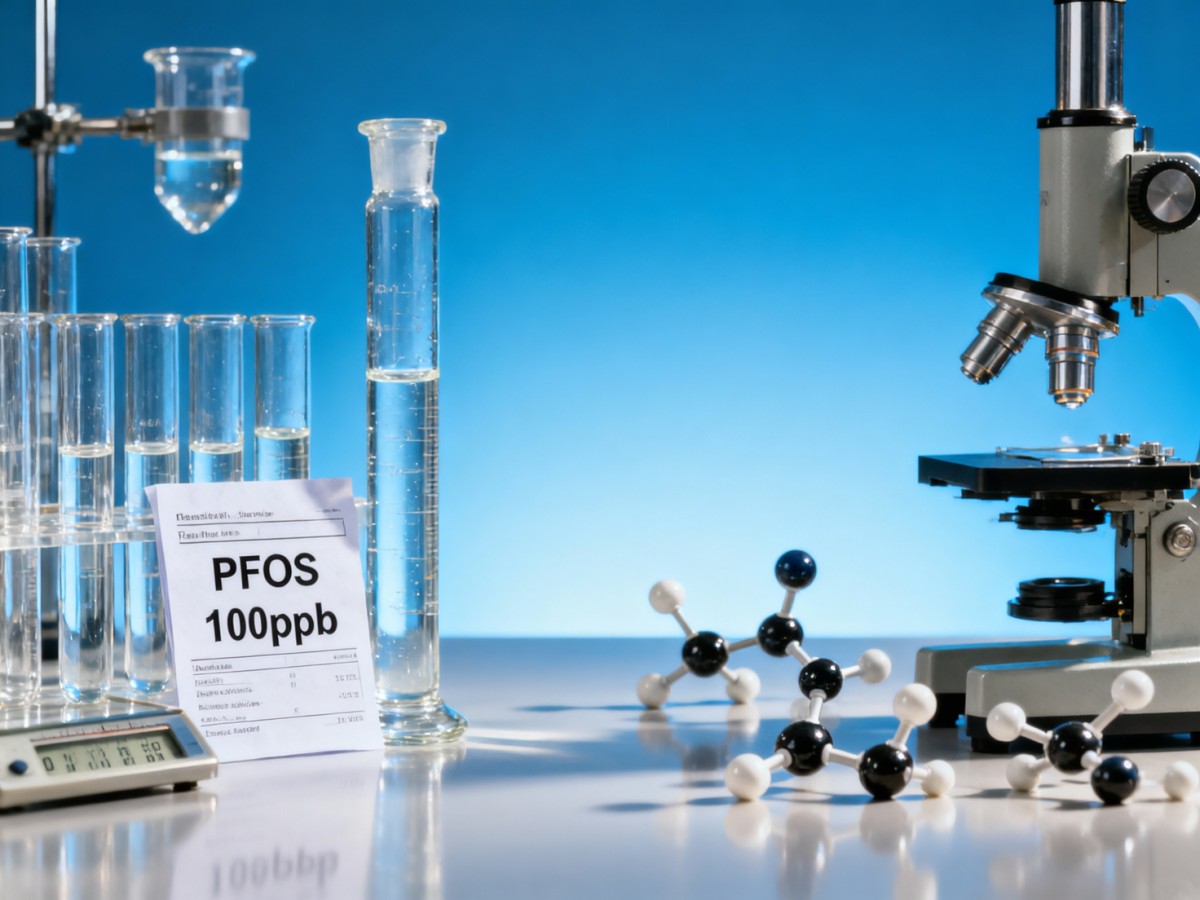
Introduction
On March 25, 2026, the UK Environment Agency released a draft revision to its POPs regulations, proposing a phased total ban on five persistent organic pollutants (POPs), including dechlorane plus and long-chain perfluorocarboxylic acids (LC-PFCAs). Notably, the PFOS limit will be drastically tightened to 0.00001% (100 ppb), far stricter than current EU standards. This move directly impacts Chinese exports of fluoropolymers, firefighting agents, electroplating additives, and waterproof coatings, requiring overseas buyers to reassess suppliers' alternative material certifications and testing reports. Industries involved in fluorochemicals, specialty chemicals, and related supply chains should closely monitor these developments.
Event Overview
The UK Environment Agency's draft revision targets five POPs chemicals for phased elimination, with PFOS (perfluorooctane sulfonic acid) facing the most stringent limit reduction—from current EU standards to 100 ppb. The affected substances are widely used in industrial applications such as flame retardants, surfactants, and water-repellent coatings. The regulation is expected to take effect in stages starting 2026, with enforcement details pending finalization.
Impact on Key Industries
Fluoropolymer Manufacturers
Chinese producers of PTFE, FEP, and other fluoropolymers may face immediate compliance challenges, as PFOS is often present as a byproduct. Exporters must verify trace contamination levels and explore purification technologies.
Firefighting Equipment Suppliers
Manufacturers of aqueous film-forming foam (AFFF) containing PFOS derivatives will need accelerated transitions to fluorine-free alternatives, with certification timelines now critical for UK market access.
Electroplating and Surface Treatment
Electroplating additive suppliers must reformulate chrome plating solutions and mist suppressants, as PFOS-based products dominate this sector. Small-medium enterprises lacking R&D capacity face disproportionate adaptation costs.
Textile and Leather Exporters
Waterproof coating applications using LC-PFCAs require urgent material substitution, particularly for outdoor apparel and footwear destined for UK retailers with green procurement policies.
Actionable Recommendations for Businesses
Prioritize Supply Chain Audits
Conduct granular material flow analyses to identify all potential POPs entry points, including auxiliary chemicals and processing aids that may contain restricted substances as impurities.
Engage in Early Compliance Testing
Secure accredited laboratory testing for PFOS residuals using the 100 ppb threshold, as existing EU-compliant reports (typically allowing 1000 ppb) will soon become obsolete for UK shipments.
Develop Tiered Transition Plans
For immediate-impact products like firefighting foams, implement stopgap measures (e.g., inventory segregation) while accelerating next-generation product commercialization through partnerships with alternative material developers.
Monitor Regulatory Nuances
Track divergences between UK and EU POPs implementation timelines, particularly for dechlorane plus in wire and cable applications, where UK enforcement may precede EU action.
Industry Perspective
From an industry standpoint, this regulation signals the UK's intent to surpass EU chemical regulatory stringency post-Brexit. The 100 ppb PFOS limit—a 10-fold tightening—creates a de facto ban given current detection capabilities. While presented as environmental protection, the move may inadvertently reshape trade flows, favoring producers with advanced analytical chemistry capabilities. The phased approach suggests recognition of technical challenges, but affected industries should interpret this as a fixed trajectory rather than a negotiable standard.
Conclusion
This regulatory shift represents a strategic inflection point for chemical-intensive exports to the UK market. Rather than viewing compliance as a technical hurdle, businesses should approach it as a catalyst for innovation in green chemistry solutions. The immediate priority lies in diagnostic supply chain mapping, while long-term competitiveness will depend on proactive investment in alternative materials. As the UK positions itself as a global leader in chemical restrictions, parallel developments in Canada and Australia suggest these standards may eventually become a new international benchmark.
Source Information
Primary source: UK Environment Agency POPs Regulation Revision Draft (March 25, 2026). Note: The implementation schedule and transitional provisions remain subject to parliamentary approval. Subsequent updates on enforcement mechanisms and exempted applications are expected within 12 months.
Related Intelligence
- APIs & IntermediatesWood Preservative Prices in the USA: Bulk Costs by Chemical TypeSearching for “wood preservatives price USA”? Compare bulk chemical types, uncover hidden delivery costs, and learn how to choose compliant treatments at the best value.
- APIs & IntermediatesLiaoning Fine Chemicals Institute for New Industrialization Opens in ShenyangLiaoning Fine Chemicals Institute for New Industrialization opens in Shenyang. Explore its plans to link research, pilot-scale development and enterprise services to drive chemical innovation.
- APIs & IntermediatesBuyer-Oriented Category Guides: How to Compare Options Beyond PriceUse buyer oriented category guides to compare quality, lifecycle costs, compliance, and supplier reliability beyond price. Discover how to reduce purchasing risk and choose lasting value.
The Morning Broadsheet
Daily chemical briefings, market shifts, and peer-reviewed summaries delivered to your terminal.
