

The Authority in Global Agricultural Chemistry & Bio-Resources
CAC2026 Opens in Shanghai as Green Export Rules Tighten
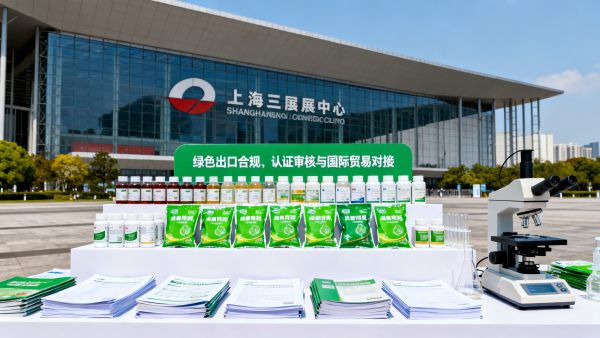
On June 5, 2026, CAC2026 opened at the National Exhibition and Convention Center in Shanghai, with the event drawing attention not only for its scale but also for its clear alignment with changing compliance expectations in global agrochemical trade. The exhibition’s focus on biopesticides, biological control technologies, and export-oriented compliance pathways reflects how new requirements tied to EU BPR, U.S. EPA review, and several Southeast Asian markets are beginning to affect registration planning, formulation choices, technical documentation, and buyer-facing export readiness across the industry.
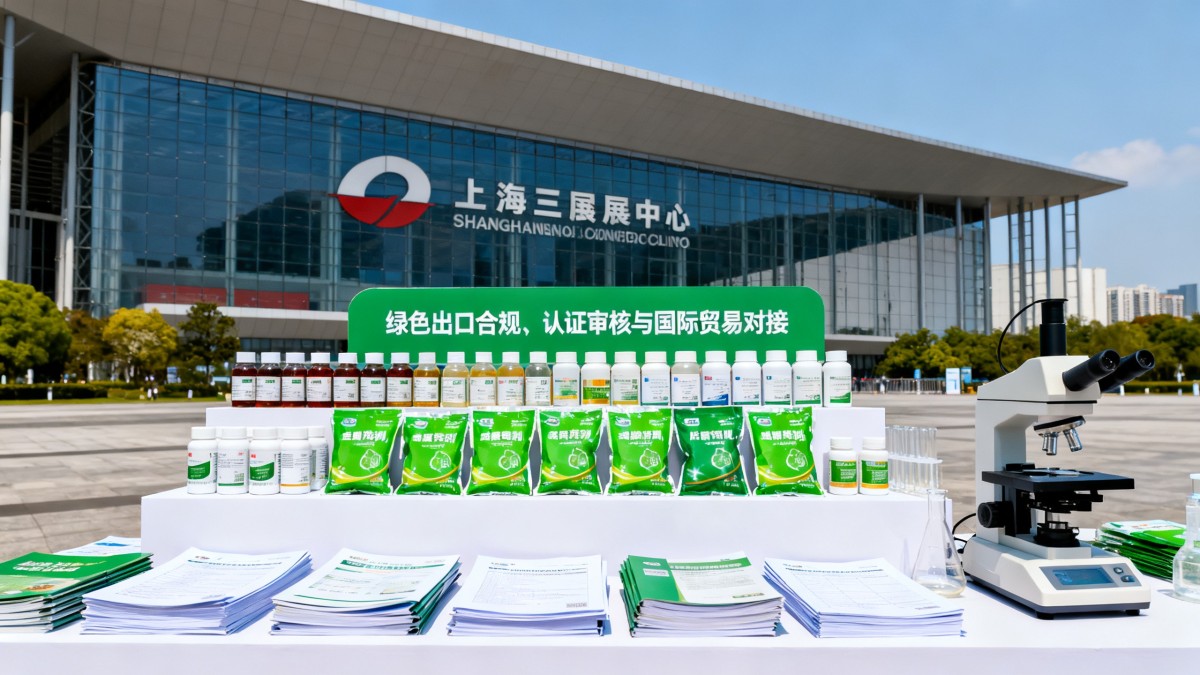
What the exhibition confirms
The 26th China International Agrochemical & Crop Protection Exhibition (CAC2026) officially opened on June 5, 2026, at the National Exhibition and Convention Center in Shanghai. More than 2,320 domestic and international companies participated, including overseas exhibitors from more than 30 countries. The exhibition includes a dedicated Biopesticides and Biological Control Technology Zone as well as an Agrochemical Technology Commercialization Display Zone. According to the event summary provided, these sections are designed to respond to new requirements concerning registration of bioactive ingredients, compliance for green adjuvants, and environmental toxicology data for nano-formulations under EU BPR, U.S. EPA, and multiple Southeast Asian market requirements. The event also provides export-oriented support in the form of certification pathways, formulation adaptation, and business matching with international buyers.
Where the pressure points are emerging in trade and execution
Export sellers face earlier compliance screening
From an industry perspective, exporters are among the first to feel the impact because the issues highlighted at CAC2026 relate directly to market entry and product acceptance. Analysis shows that companies selling biopesticide-related products or formulations linked to green positioning may need to pay closer attention to whether ingredient registration status, adjuvant compliance, and nano-formulation toxicology materials are aligned with buyer and destination-market expectations before shipments are negotiated or finalized.
Formulation and manufacturing teams may need adaptation work
What deserves closer attention is that the exhibition does not simply signal demand for new products; it points to possible adjustments in formulation design and technical compatibility. For manufacturers and processing businesses, the practical effect may appear in ingredient selection, supporting test materials, and internal review of whether existing products can match external compliance expectations tied to bioactive substances, green adjuvants, or nano-related environmental data requirements.
Procurement and sourcing decisions may become more document-driven
For raw material buyers and procurement teams, the compliance direction highlighted by the event suggests that supplier evaluation may increasingly depend on technical files, registration support materials, and traceable compliance information rather than price or availability alone. Observably, when overseas buyer requirements become more specific, procurement planning can be affected through stricter qualification checks for ingredients and auxiliaries used in export products.
Testing, certification, and delivery support services gain a larger role
Certification-related companies, testing service providers, and supply chain support firms may also be affected because the exhibition explicitly connects product development with certification pathways and export matching. Analysis shows that once buyers and exporters begin to treat these requirements as practical transaction conditions, service providers involved in documentation, testing coordination, and delivery compliance may face higher expectations for timing, consistency, and market-specific support.
What companies should watch next
Check whether current technical files match destination-market expectations
Companies involved in export business should review whether their existing registration materials, ingredient descriptions, formulation information, and supporting compliance documents are sufficient for the markets they are targeting. The event summary points to bioactive ingredient registration, green adjuvant compliance, and nano-formulation environmental toxicology data as areas requiring attention, so these should be treated as practical review priorities rather than general policy topics.
Track how certification pathways are translated into transaction requirements
Analysis shows that the most relevant question is not only whether a rule exists, but how it appears in actual buyer requests, qualification reviews, and commercial negotiations. Companies should therefore watch for changes in technical annexes, product information requests, pre-shipment review materials, and any compliance wording that may begin to appear more frequently in export discussions.
Review product-market fit before expanding overseas offers
For businesses using the exhibition as a route to international buyer engagement, it is more appropriate to understand the current signal as a prompt for product-market compliance matching. If a product is intended for markets with stricter review of bioactive substances, green auxiliaries, or nano-related data, companies may need to confirm whether the formulation and supporting materials are suitable before accelerating promotion or delivery planning.
Prepare for possible effects on lead time and supplier qualification
Observably, when compliance review becomes more detailed, lead times can be influenced by document completion, technical clarification, or supplier verification. Although the provided information does not confirm any specific execution timeline, companies should remain alert to the possibility that sourcing, quality review, and shipment preparation may require more coordination where export compliance becomes a deciding factor.
Why this matters beyond the exhibition floor
Analysis shows that CAC2026 is better understood as an execution signal than as a standalone exhibition update. The event’s dedicated zones and export support functions suggest that regulatory and market-access issues around biopesticides and greener formulations are no longer peripheral topics; they are moving closer to product presentation, buyer engagement, and trade preparation. At the same time, it would be premature to treat this as proof of uniform implementation across all markets or product categories. What deserves closer attention is how these themes are reflected in certification practice, buyer requirements, and follow-up commercial activity after the exhibition.
How to read the current signal
At this stage, the development is more appropriately understood as a visible alignment between industry activity and tightening international compliance expectations in agricultural chemical exports. The confirmed facts show that CAC2026 has placed biopesticides, biological control, certification pathways, and formulation adaptation at the center of discussion. The broader industry significance lies in the message that compliance requirements are becoming part of commercial readiness, not just regulatory review. Even so, the pace and depth of practical impact still require continued observation rather than fixed conclusions.
Basis of this article and what still needs verification
This article is generated based on the user-provided news title, event date, and event summary. For events of this type, commonly relevant source categories may include official event announcements, regulatory agency releases, trade or customs authority updates, industry association communications, standards documentation, and reporting by established industry media. No specific official source link was provided in the input, so direct official-source verification remains necessary. Follow-up attention should remain on policy detail, certification interpretation, tender or buyer document changes, market feedback, and how companies implement related compliance requirements in practice.
Related Intelligence
- AgrochemicalsUSDA Announces Over $500 Million for Eight Fertilizer Production ProjectsUSDA announces over $500 million for eight fertilizer production projects. Explore how expanded domestic supply could affect farm costs and agricultural supply chains.
- AgrochemicalsAgrochemicals Category Intelligence: Tracking Cost Drivers and Supply RiskExplore agrochemicals category intelligence to track cost drivers, uncover supply risks, and strengthen sourcing decisions. Learn how to negotiate smarter and secure reliable supply.
- AgrochemicalsChina’s Phosphate Fertilizer Exports Near Zero, Tightening Global SupplyChina’s phosphate fertilizer exports near zero in 2026 as sulfur shortages tighten global supply. Explore the risks for importers, prices and sourcing strategies.
The Morning Broadsheet
Daily chemical briefings, market shifts, and peer-reviewed summaries delivered to your terminal.
