
ISCC New Rules: Plant Extracts Export Requires Farm-Level Carbon Data
ISCC New Rules: Plant Extracts Export Requires Farm-Level Carbon Data
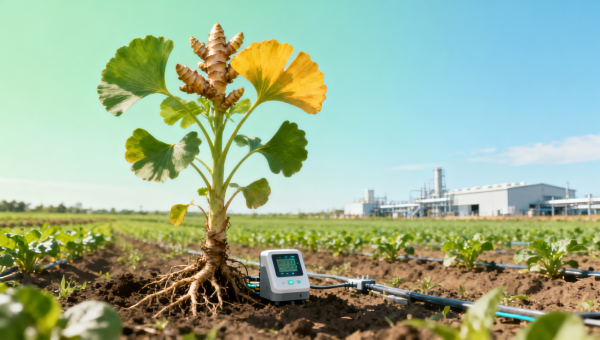
The International Sustainability and Carbon Certification (ISCC) has updated its mandatory rules, effective April 5, 2026, requiring all natural plant extracts (e.g., curcumin, resveratrol, ginkgo biloba extracts) certified under ISCC EU or ISCC PLUS to provide full-chain carbon emission data and land-use change (LUC) proof from farm to finished product. This impacts global supply chains, particularly Chinese exporters accelerating GIS and blockchain traceability adoption. Industry research shows ISCC-certified suppliers now dominate 63% of EU/US supplement brand orders (2026 Q1).
Event Overview
The ISCC's updated certification rules, effective April 5, 2026, mandate farm-to-product carbon footprint documentation and LUC verification for natural plant extracts. Chinese exporters are actively integrating satellite remote sensing (GIS) and blockchain systems to comply. Non-certified suppliers saw orders drop to 37% in key markets (2026 Q1 data).
Impacted Sub-Sectors
Direct Exporters
Must now invest in farm-level data collection systems. Smaller exporters face cost barriers as GIS/blockchain implementation requires technical partnerships.
Supplement Brands
EU/US buyers increasingly prioritize ISCC-certified suppliers, with non-compliant orders declining 18% YoY. Formulation adjustments may be needed for non-certified ingredients.
Supply Chain Tech Providers
Demand surges for carbon accounting platforms integrating GIS and blockchain, especially in China’s plant extract hubs like Shaanxi and Yunnan.
Actionable Insights
Prioritize High-Value Extracts
Focus compliance efforts on premium products (e.g., resveratrol) where buyers show strongest certification preference (72% ISCC adoption in 2026).
Audit Farm Partnerships
Map supplier networks to identify data gaps. Pilot blockchain tracing with tier-1 farms to streamline compliance.
Monitor Policy Signals
Watch for ISCC’s 2026 Q2 guidance on LUC verification thresholds, which may affect sourcing regions.
Industry Observation
Analysis suggests this marks a shift from voluntary to mandatory sustainability reporting in botanicals. While initially challenging for SMEs, the rules may consolidate market share toward tech-enabled suppliers. The 63% certified order share indicates standards are becoming market differentiators, not just compliance tools.
Conclusion
The ISCC update accelerates the integration of environmental accountability into global plant extract trade. Companies should view this as a baseline requirement rather than a competitive edge, with tech-driven traceability becoming the new operational norm.
Sources
1. ISCC Official Announcement (March 2026)
2. Global Supplement Procurement Trends Report (2026 Q1)
3. Pending: ISCC’s LUC verification thresholds (Expected 2026 Q2)
Related Intelligence
- Botanical ExtractsISCC New Rules: Plant Extracts Export Requires Farm-Level Carbon DataISCC new rules mandate farm-level carbon data for plant extracts export starting April 2026. Learn how this impacts global supply chains and why 63% of EU/US orders now prefer ISCC-certified suppliers. Essential reading for exporters and supplement brands.
- Botanical ExtractsISCC New Draft Mandates Farm-Level Carbon Data Traceability for Natural ChemicalsISCC's new draft mandates farm-level carbon data traceability for natural chemicals, impacting EU-bound exports. Learn how this affects your supply chain and stay compliant with evolving sustainability standards.
- Botanical ExtractsISCC Draft Mandates Farm-Level Carbon Data for Natural IngredientsISCC draft mandates farm-level carbon data for natural ingredients, impacting botanical extract exporters & supply chains. Learn key compliance strategies for 2026 updates.
The Morning Broadsheet
Daily chemical briefings, market shifts, and peer-reviewed summaries delivered to your terminal.
